Tracing Central America’s Coasts
Arrow’s first trip of 2026 took her from the San Blas Islands on Panama’s Atlantic coast, through the Panama Canal and up the Pacific coast of Costa Rica.
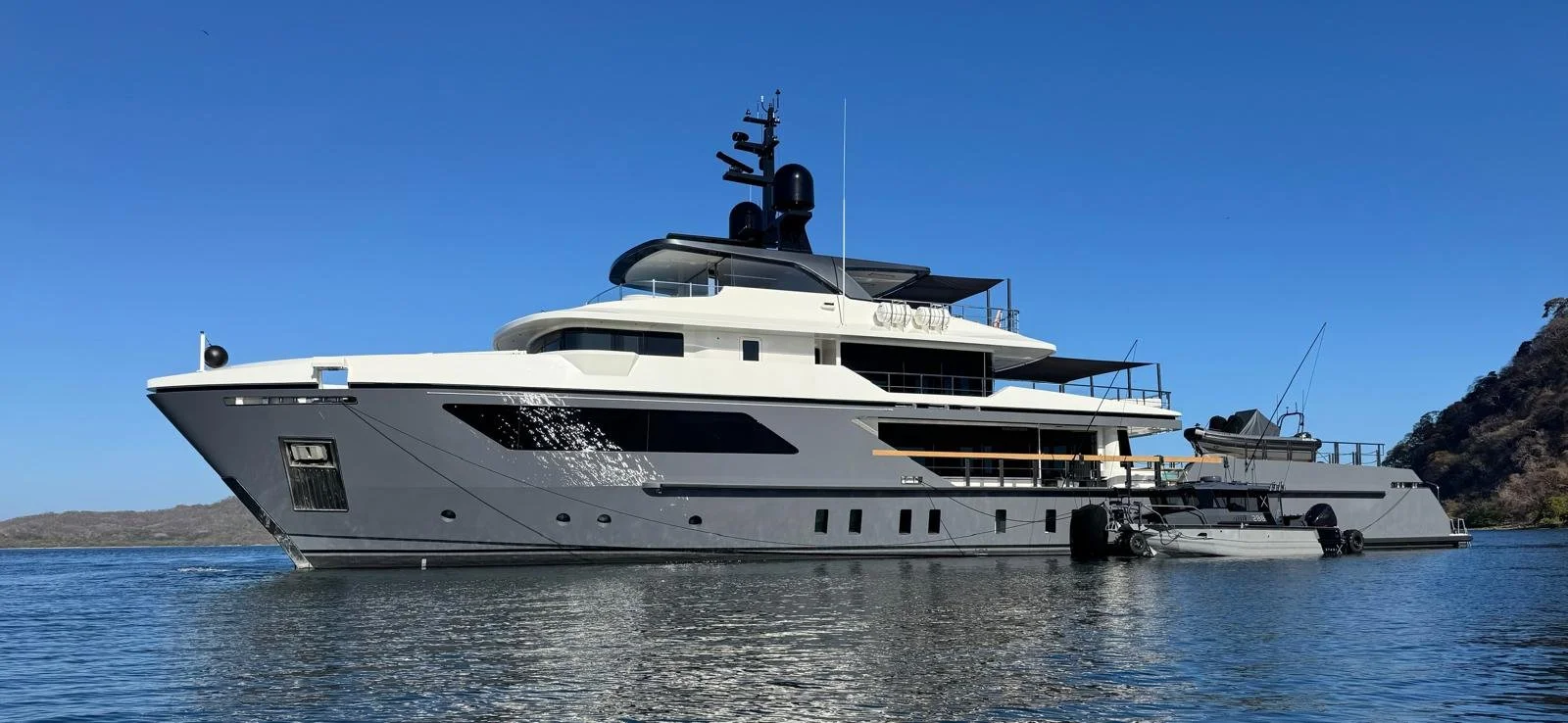
Having visited Panama’s Bocas del Toro onboard their previous yacht, Penny and Roland were keen to return to this part of the world. This time, the plan was slightly more ambitious: two oceans in four weeks.
San Blas Islands
Reaching San Blas required chartering two small prop planes from Panama City – one for guests and one for luggage and provisions. They landed at Corazón de Jesús, a small airstrip in the region, where Arrow was waiting.
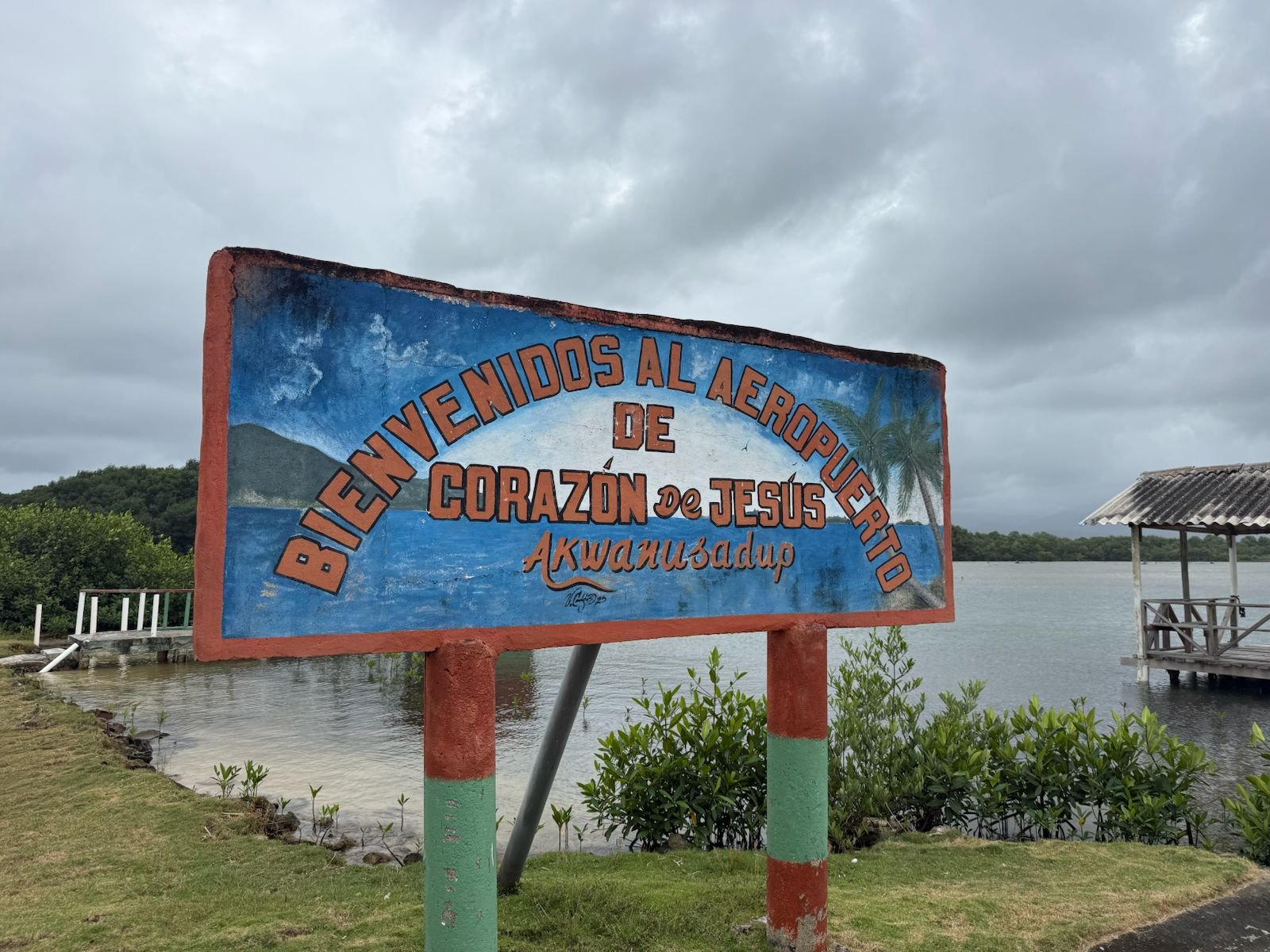
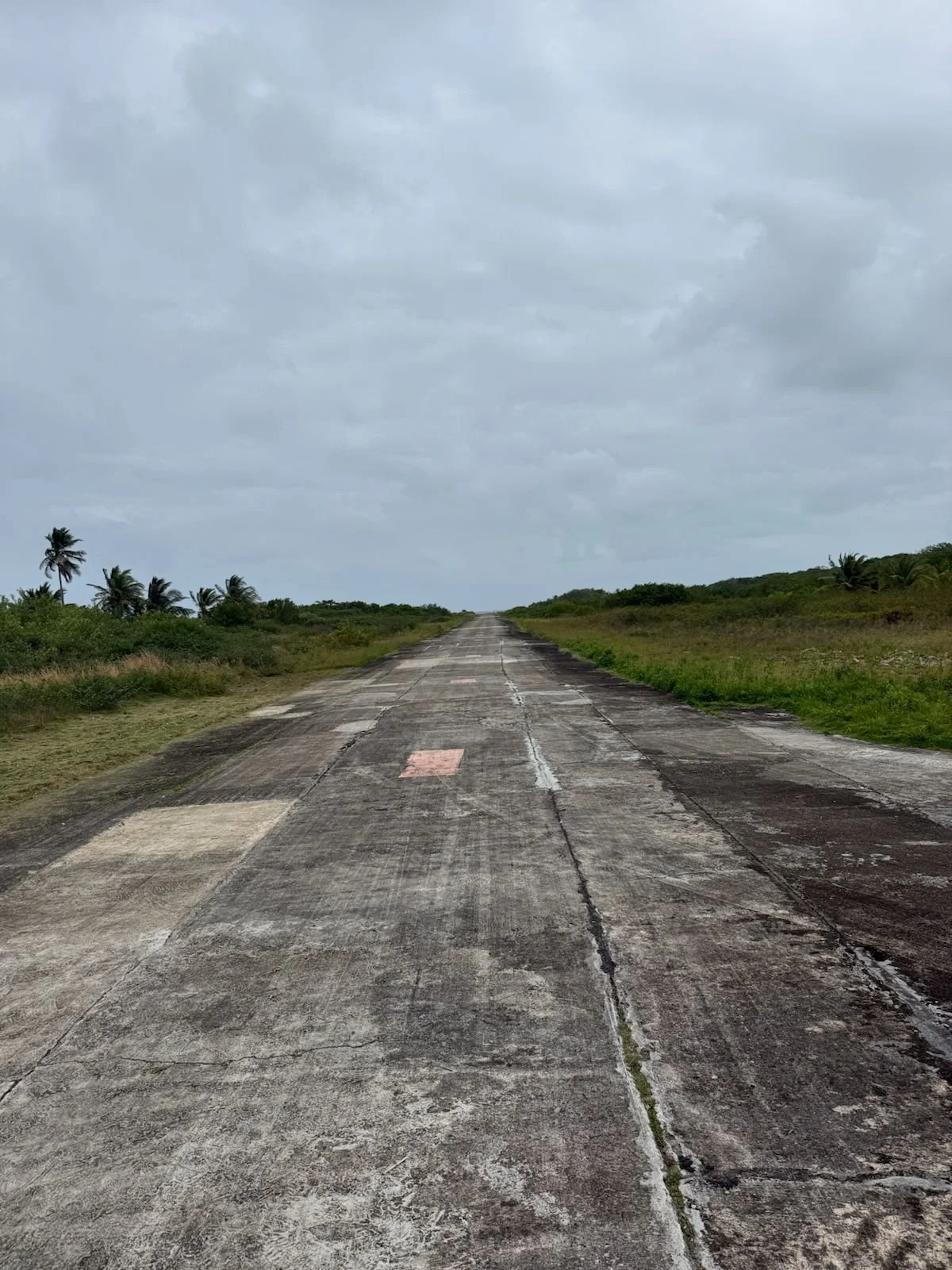
The archipelago is made up of nearly 400 islands and cays along Panama’s Caribbean coast, with only around 50 inhabited by the Guna people. The geography makes for deserted anchorages, most of them surrounded by reefs. The first two nights were spent in one such place, off Cayos Ordupuquip.
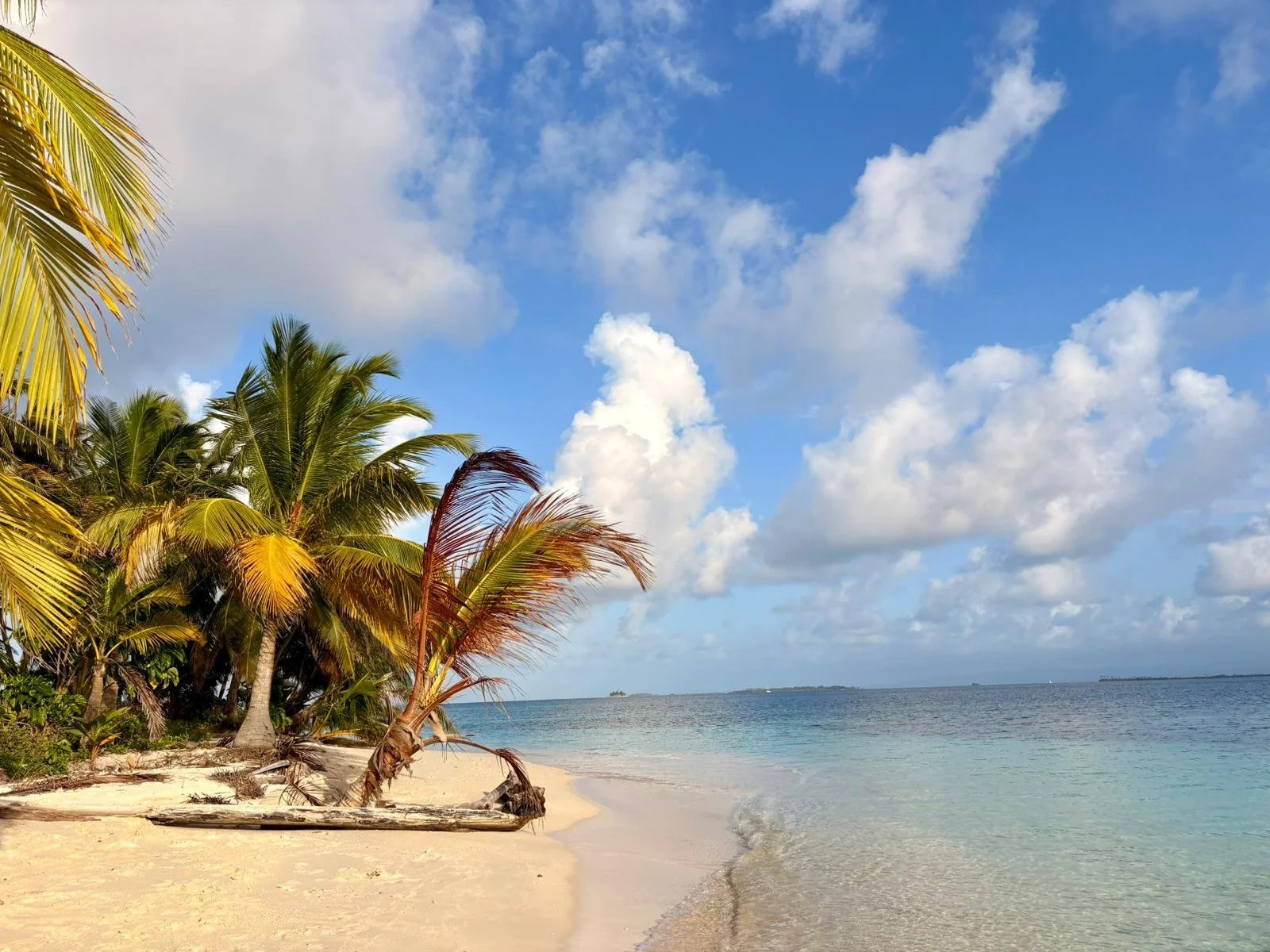
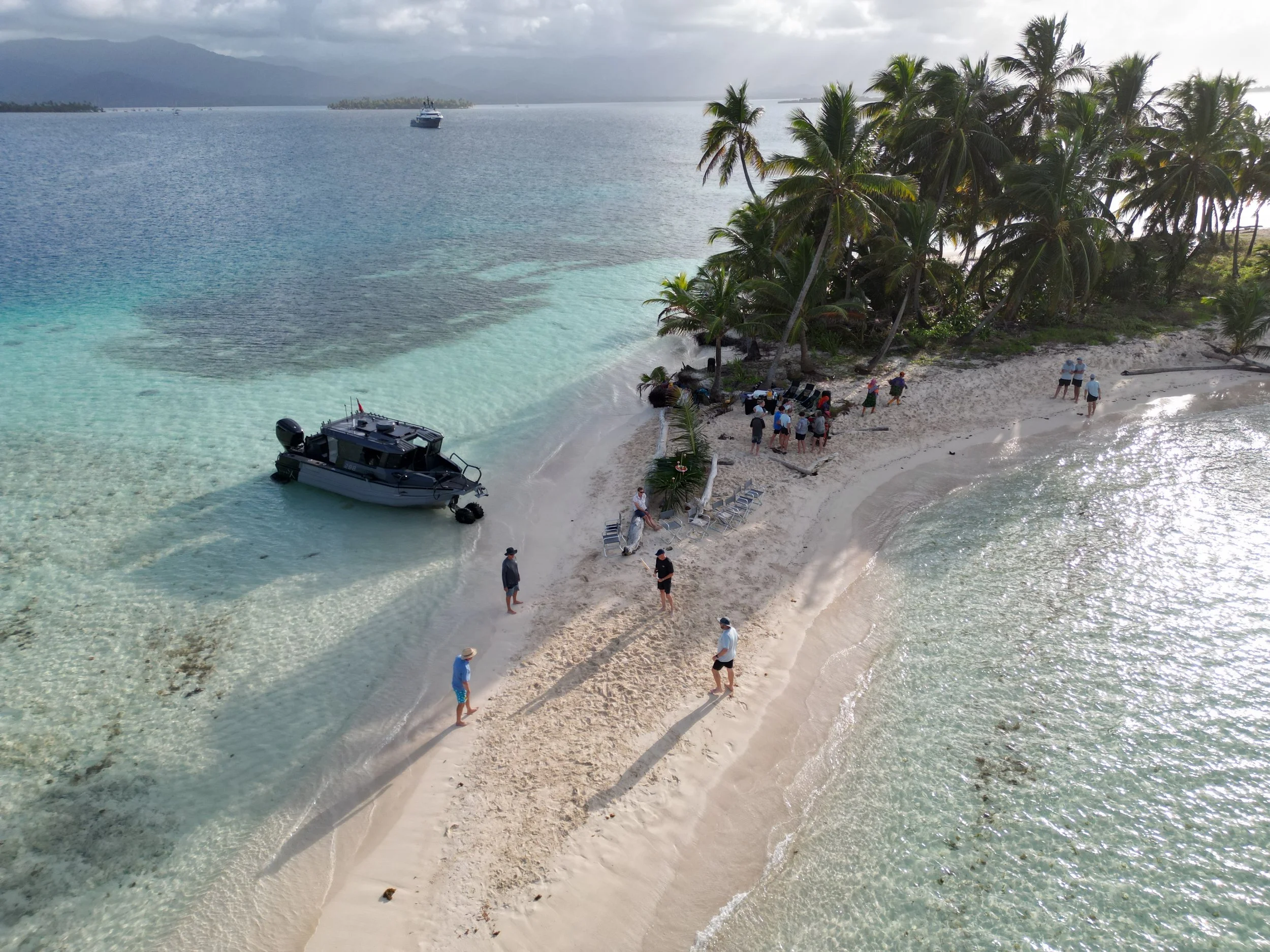
The most remote section of San Blas lies to the south, more exposed to trade winds and swell, which is why most boats don't make it there. Arrow took a weather window and headed for an anchorage off Isla Capes, which turned out to be the best spot of the Panama leg.
Nearby, the island of Ukupseni is home to a densely populated community of around 3,000 Guna people. Landing the tender here required a fee, though the amount seemed open to interpretation each visit.
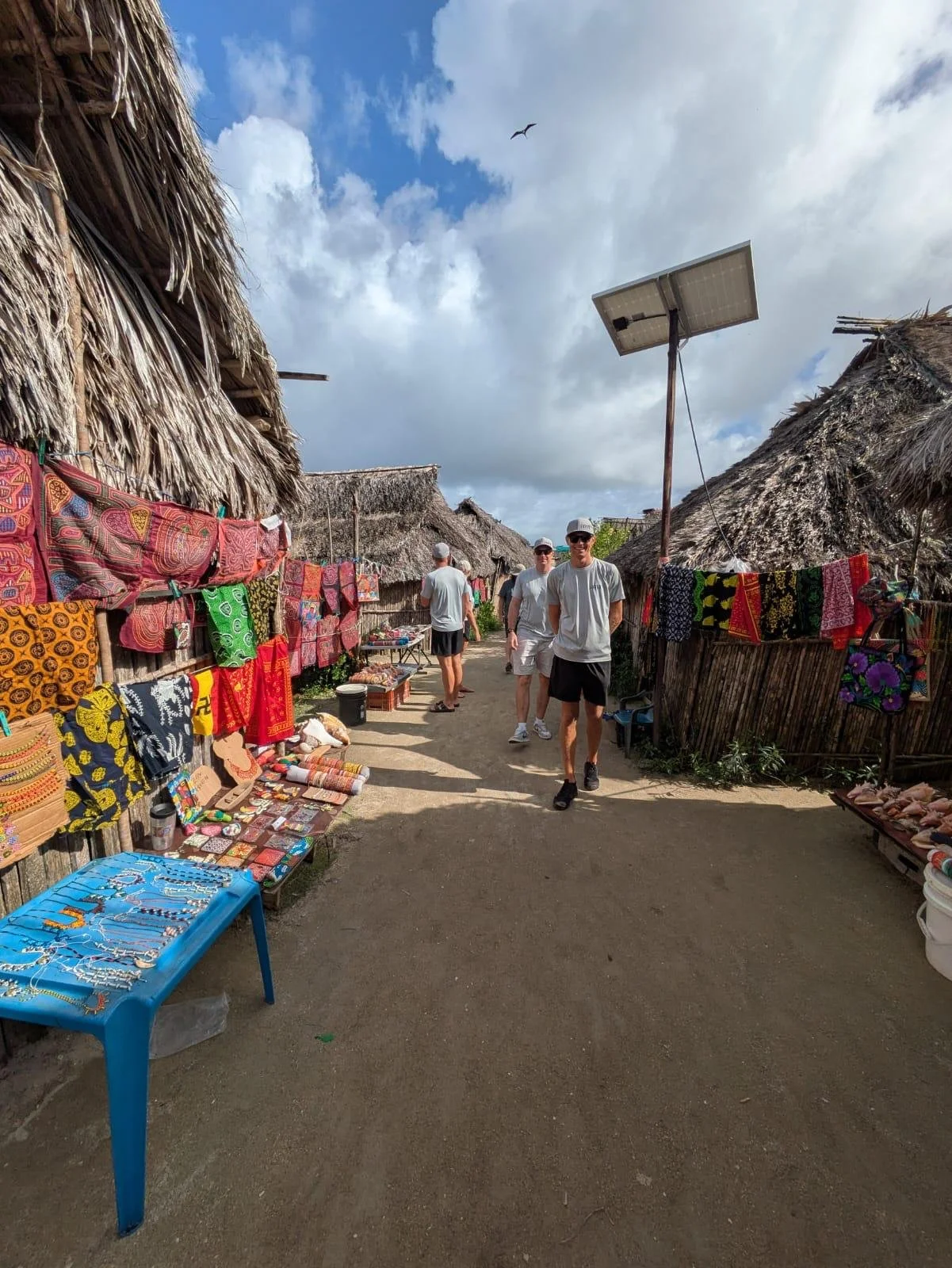
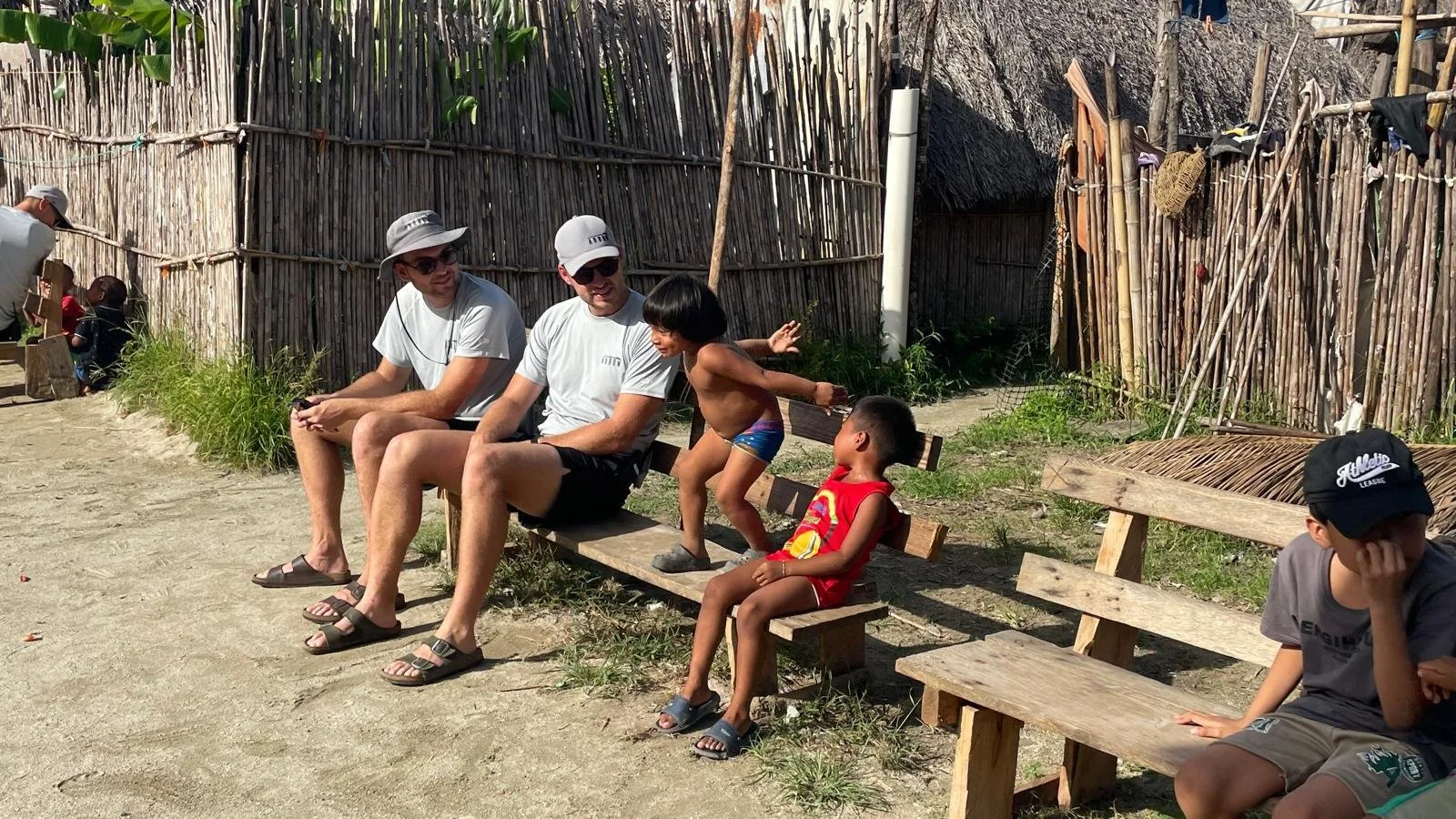
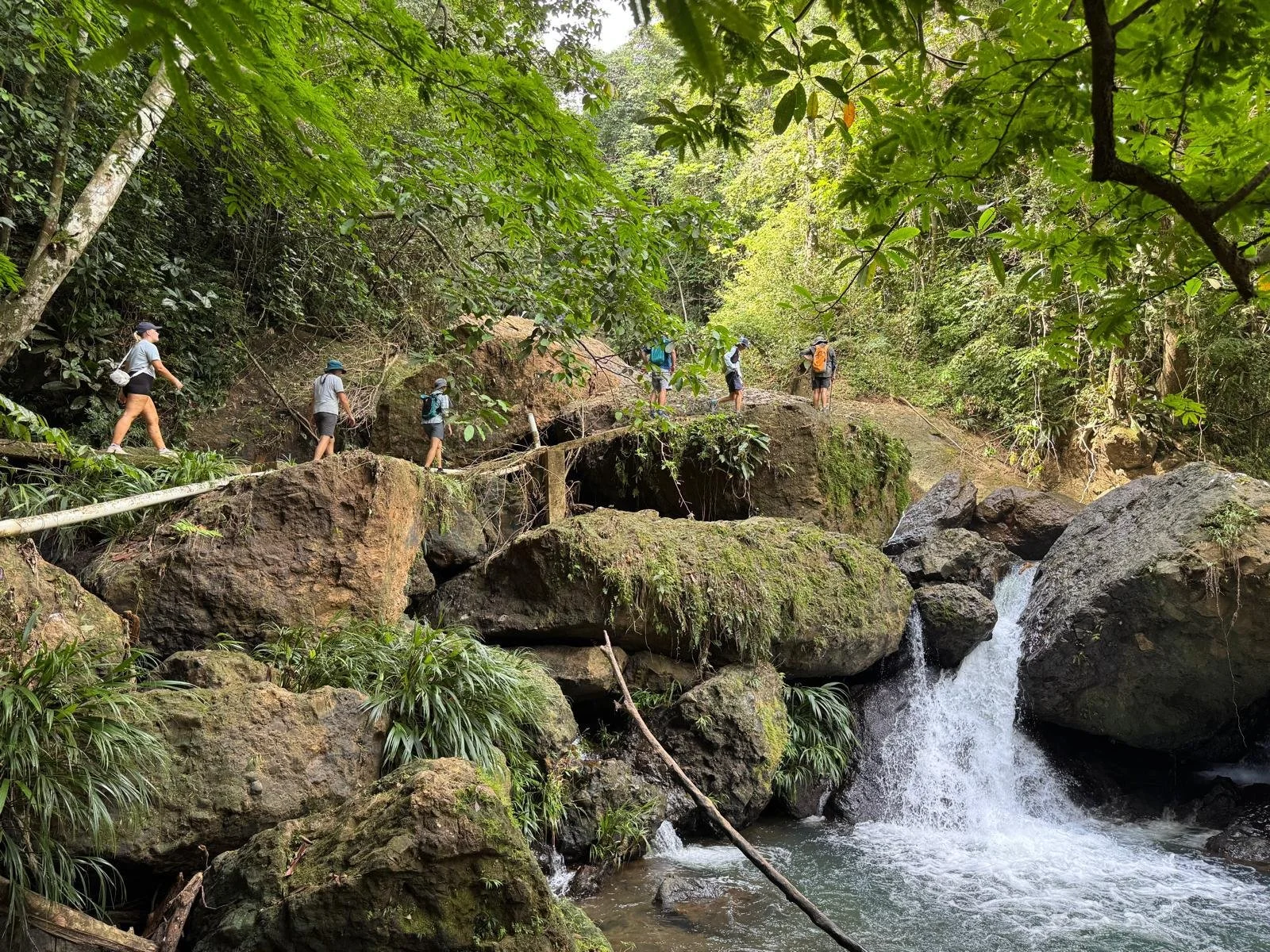
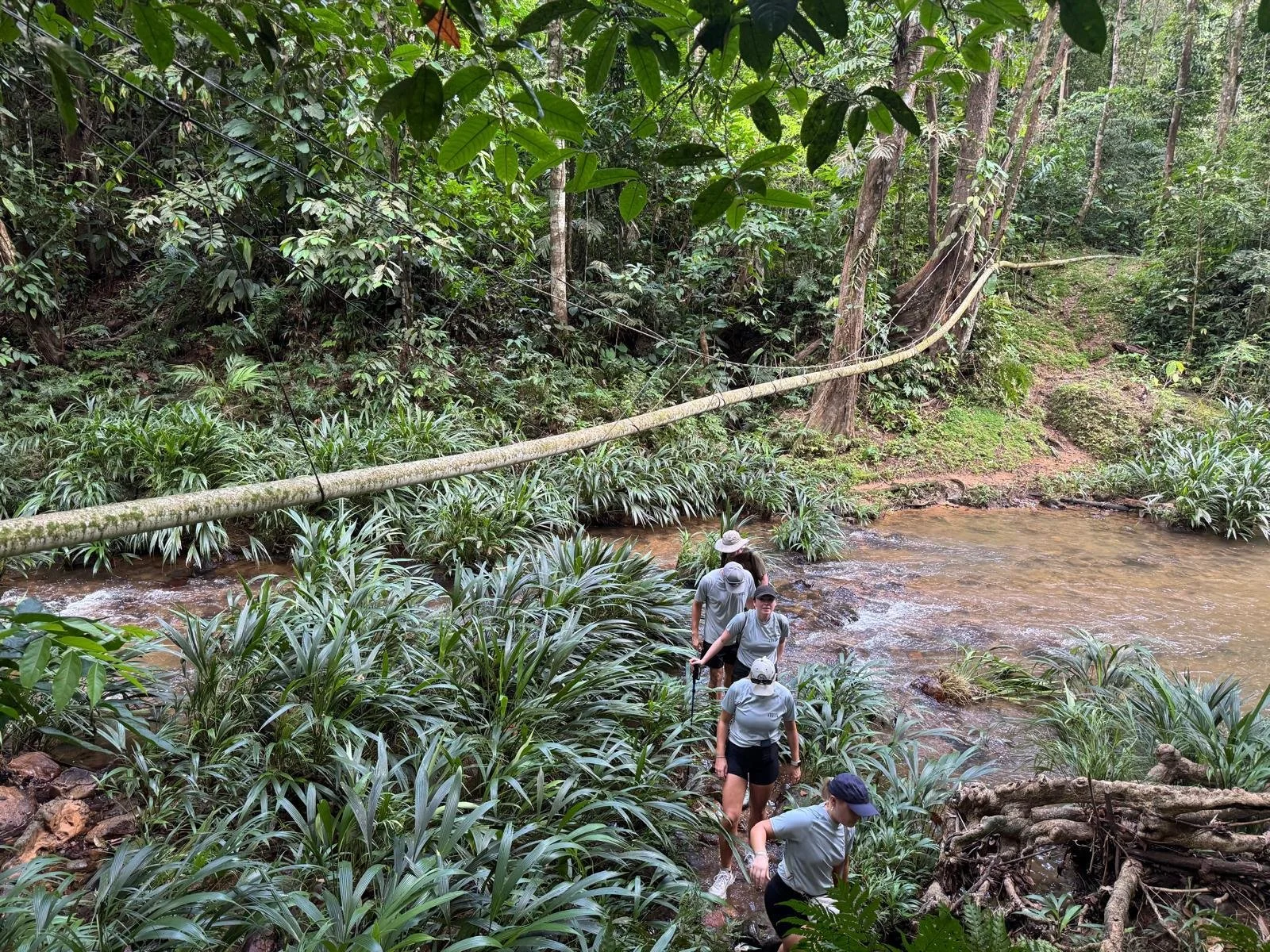
In town, a local guide materialised and offered a tour of the area, then a three-hour hike through the dense rainforest to waterfalls the following day. On the way, he told the story of his son, who had gone into that very rainforest one day and never returned. It wasn’t the most reassuring start to the hike, but thankfully everyone made it back (albeit covered in mud).
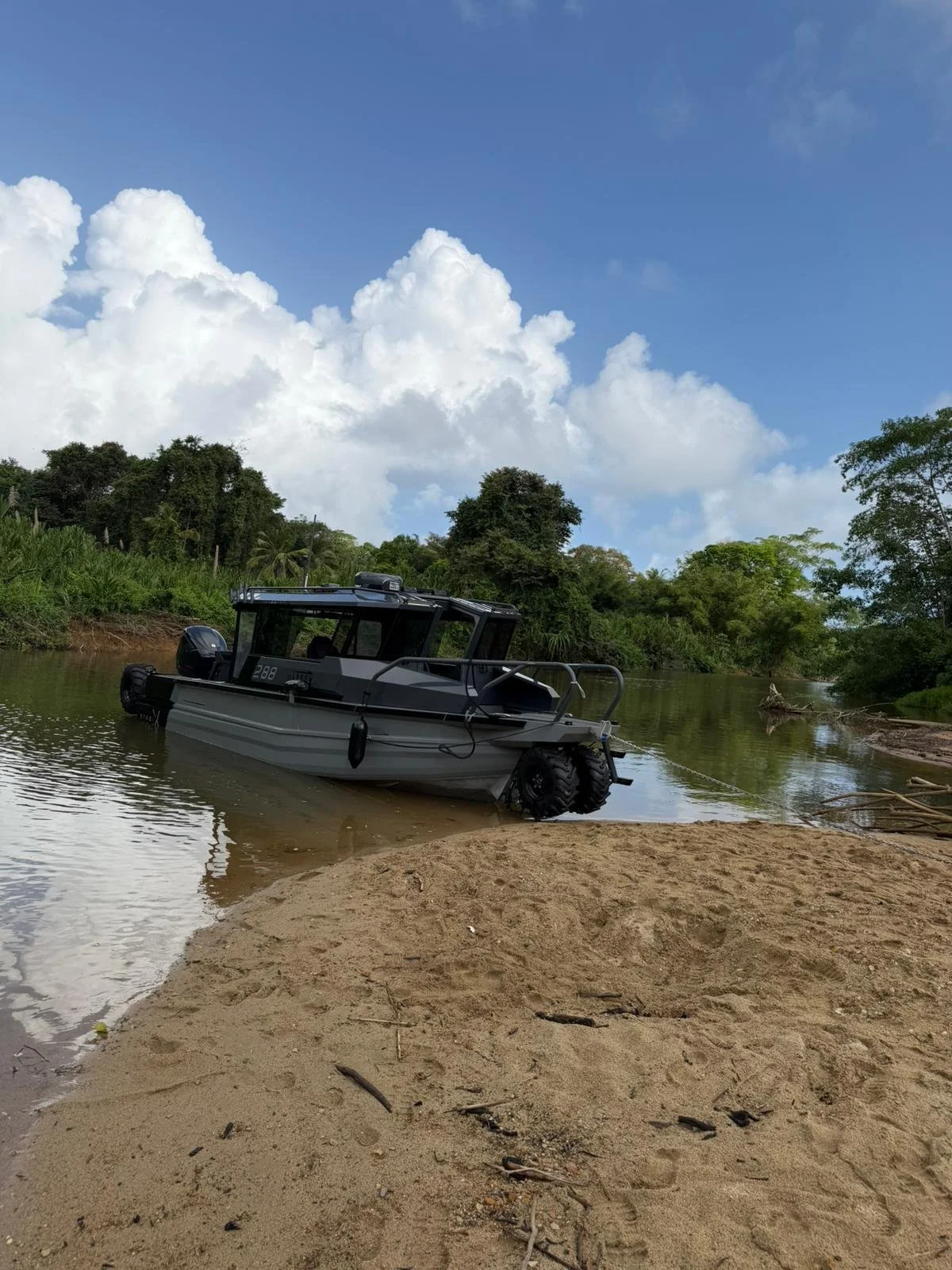
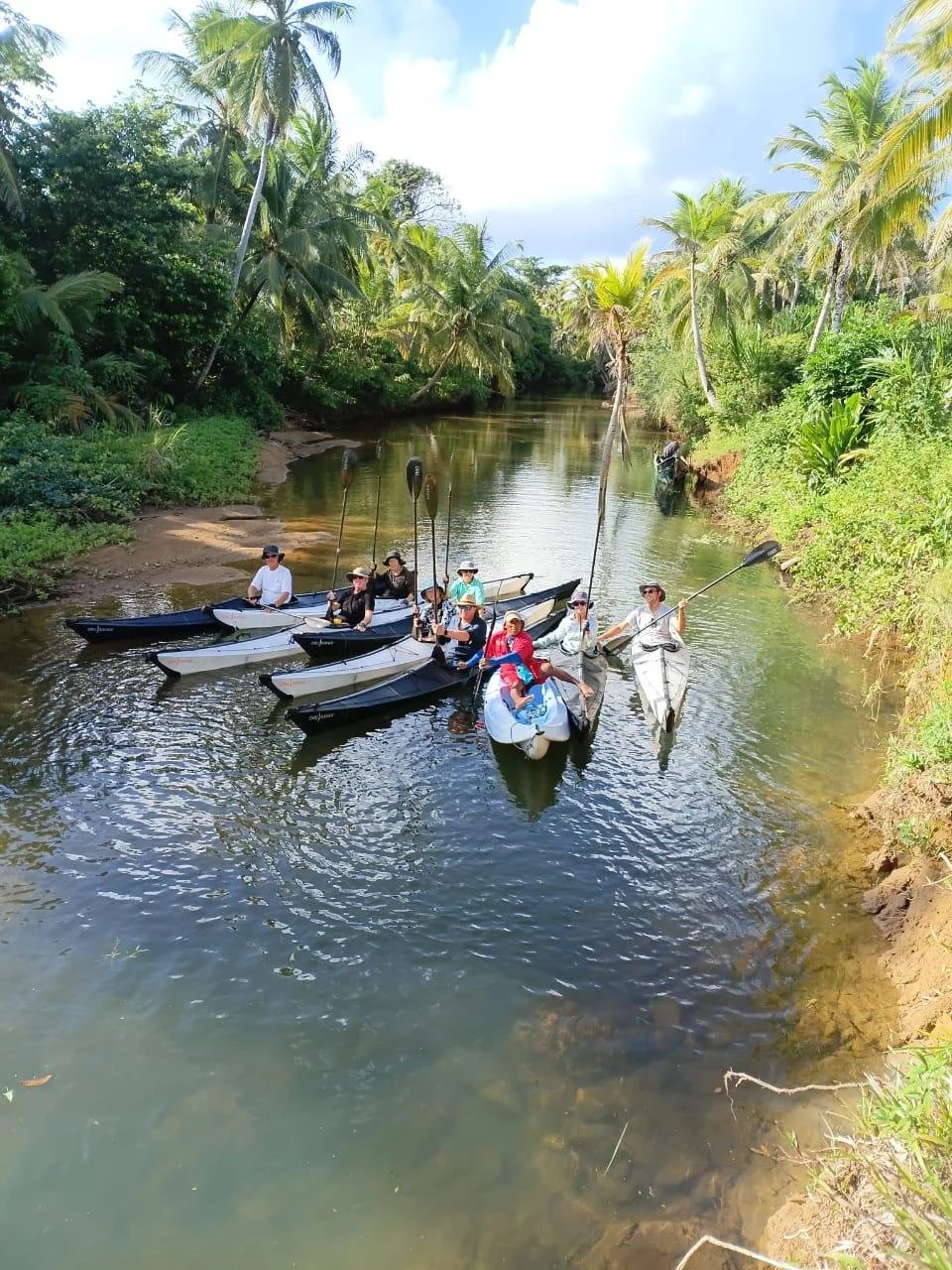
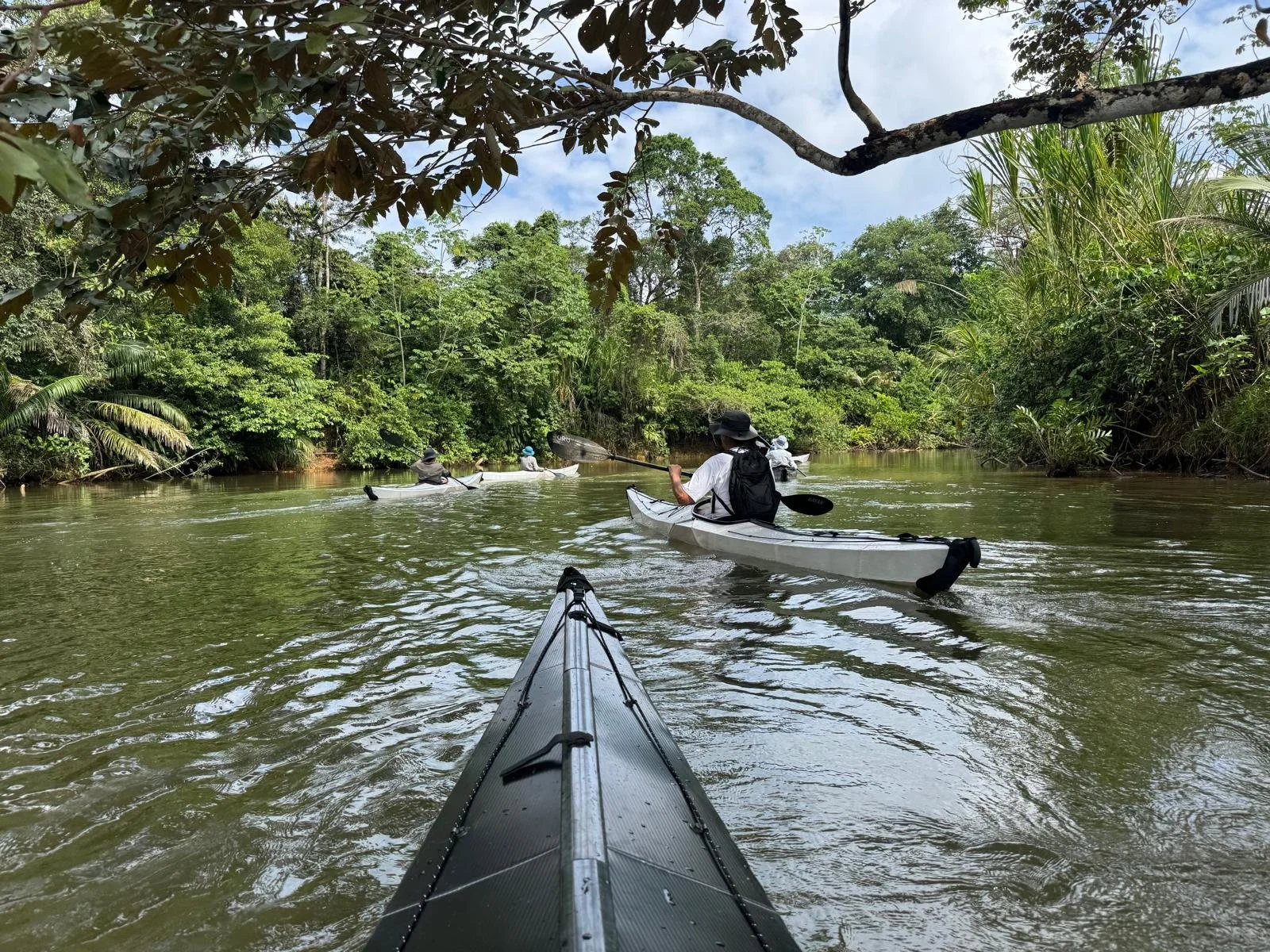
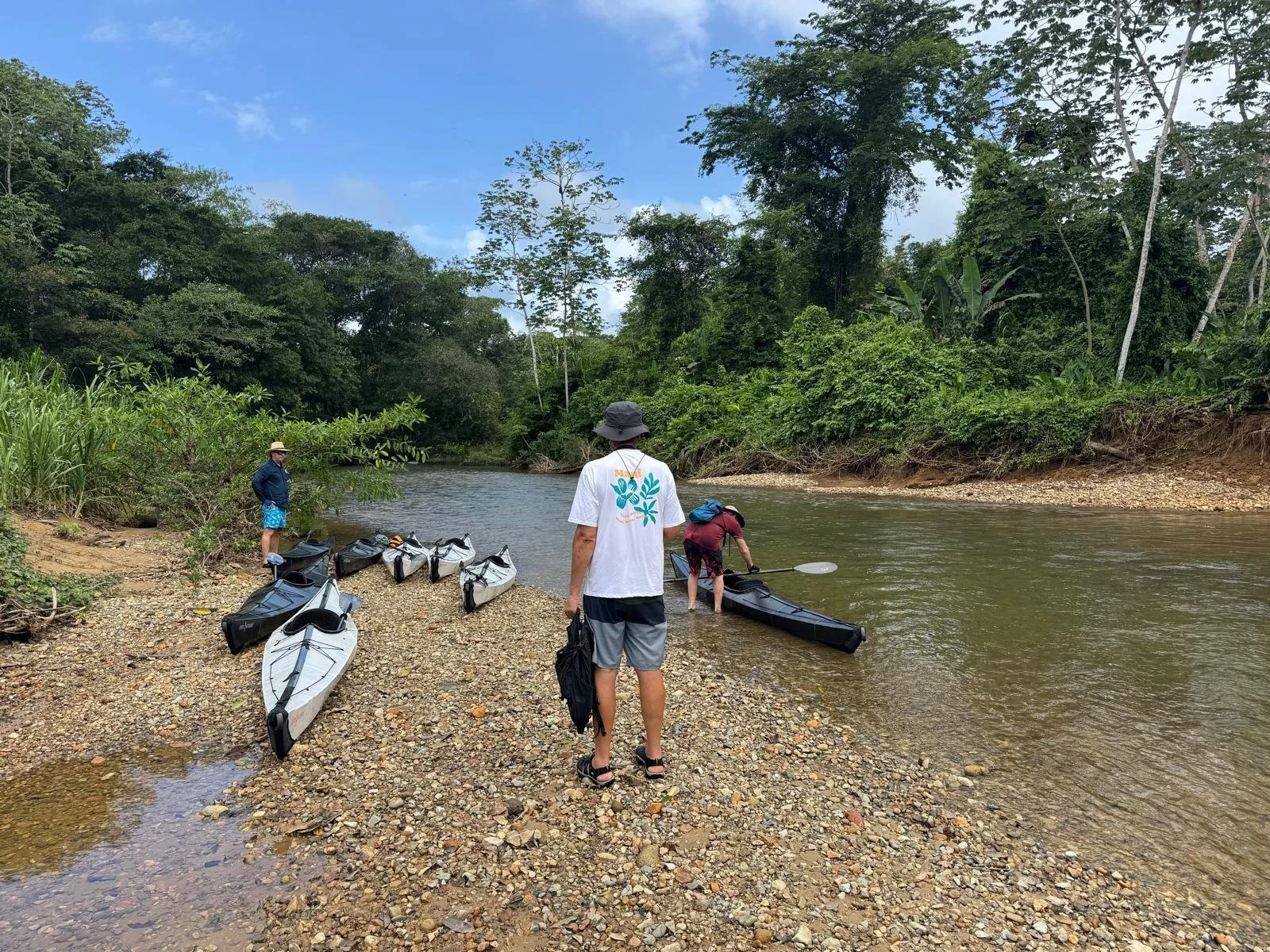
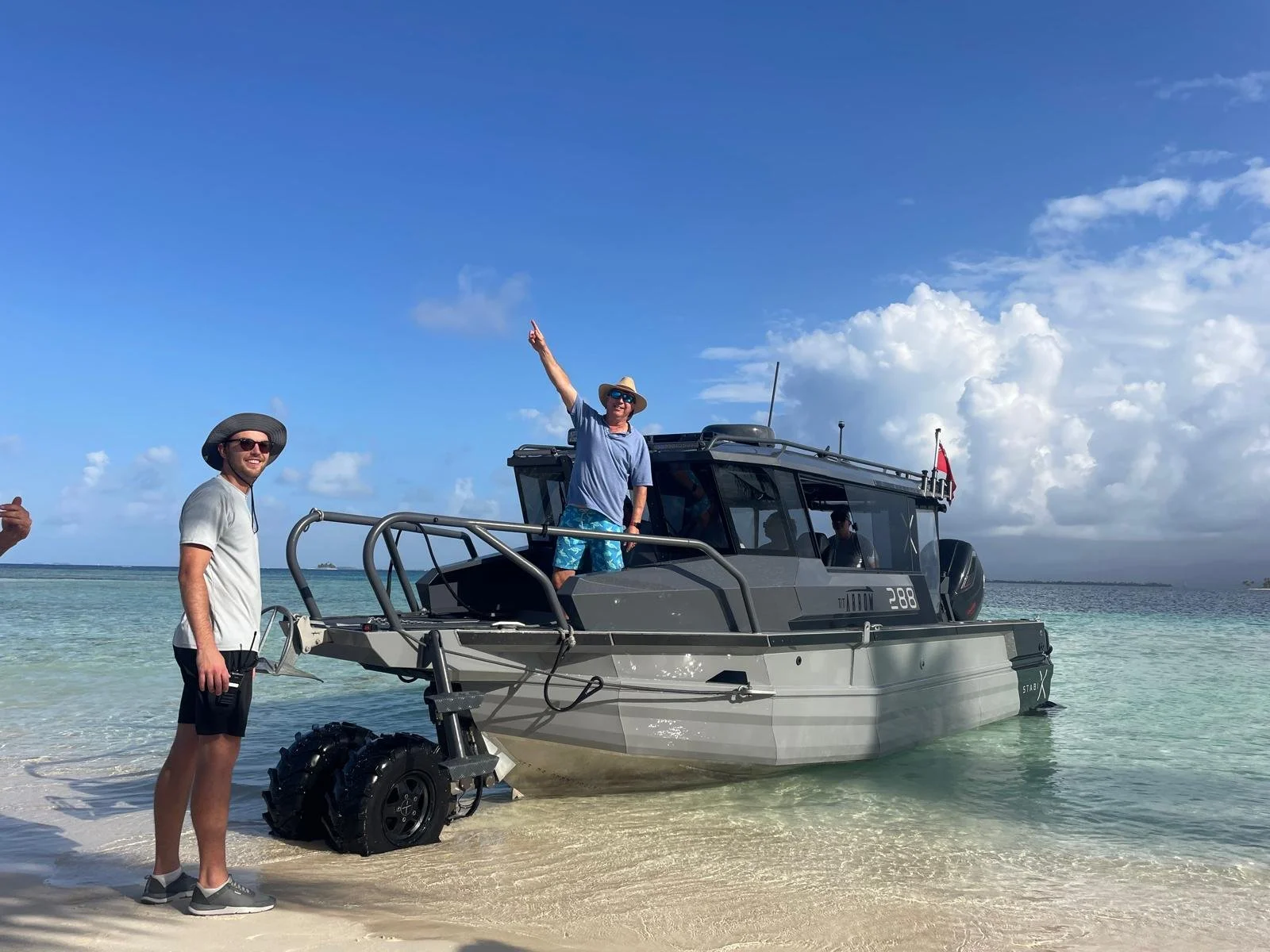
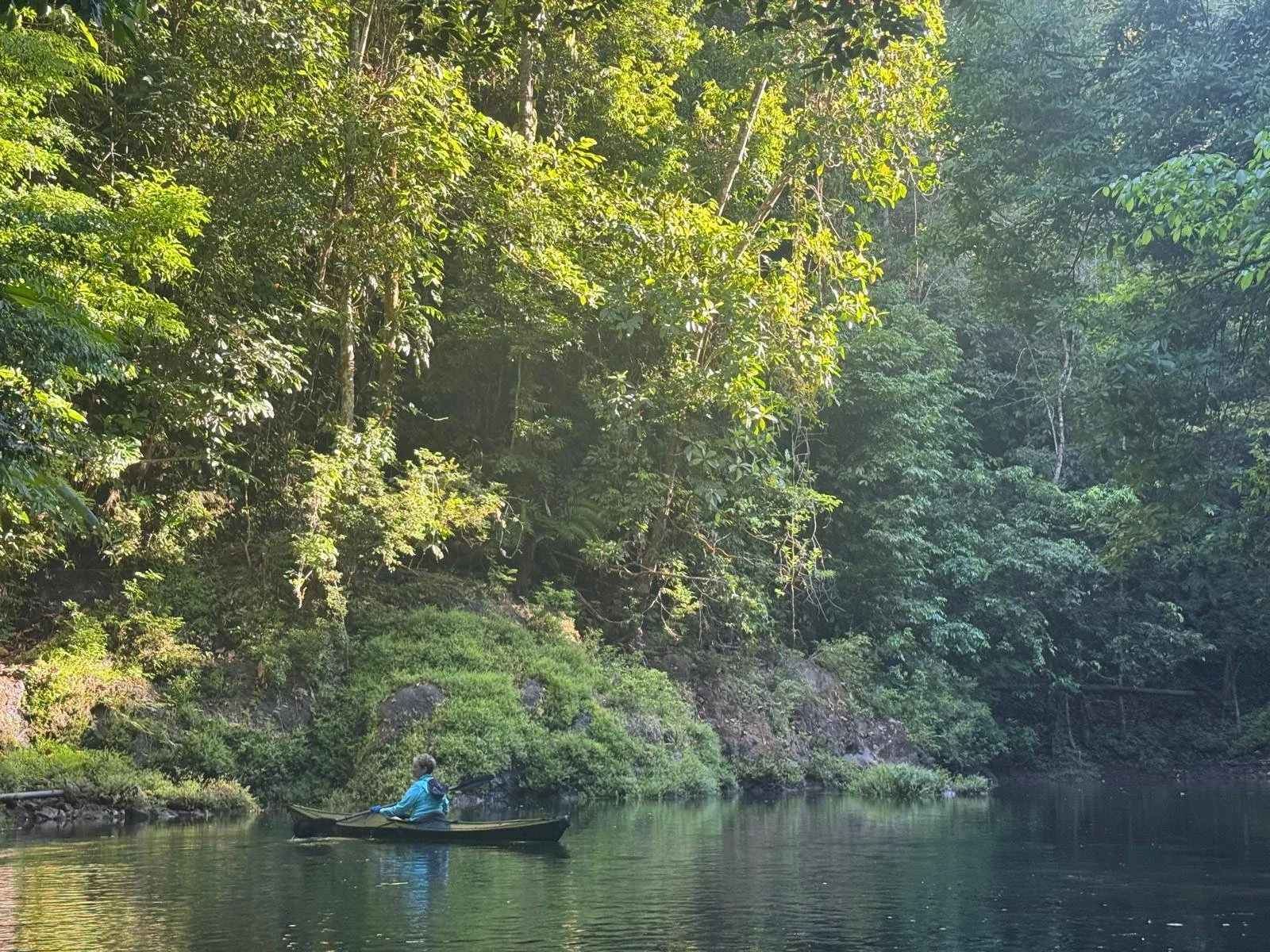
After a few days in the south, Arrow returned north. One of the highlights here was kayaking on the Río Margandí. Access involved taking the amphibious tender over a sandbank and into the river.
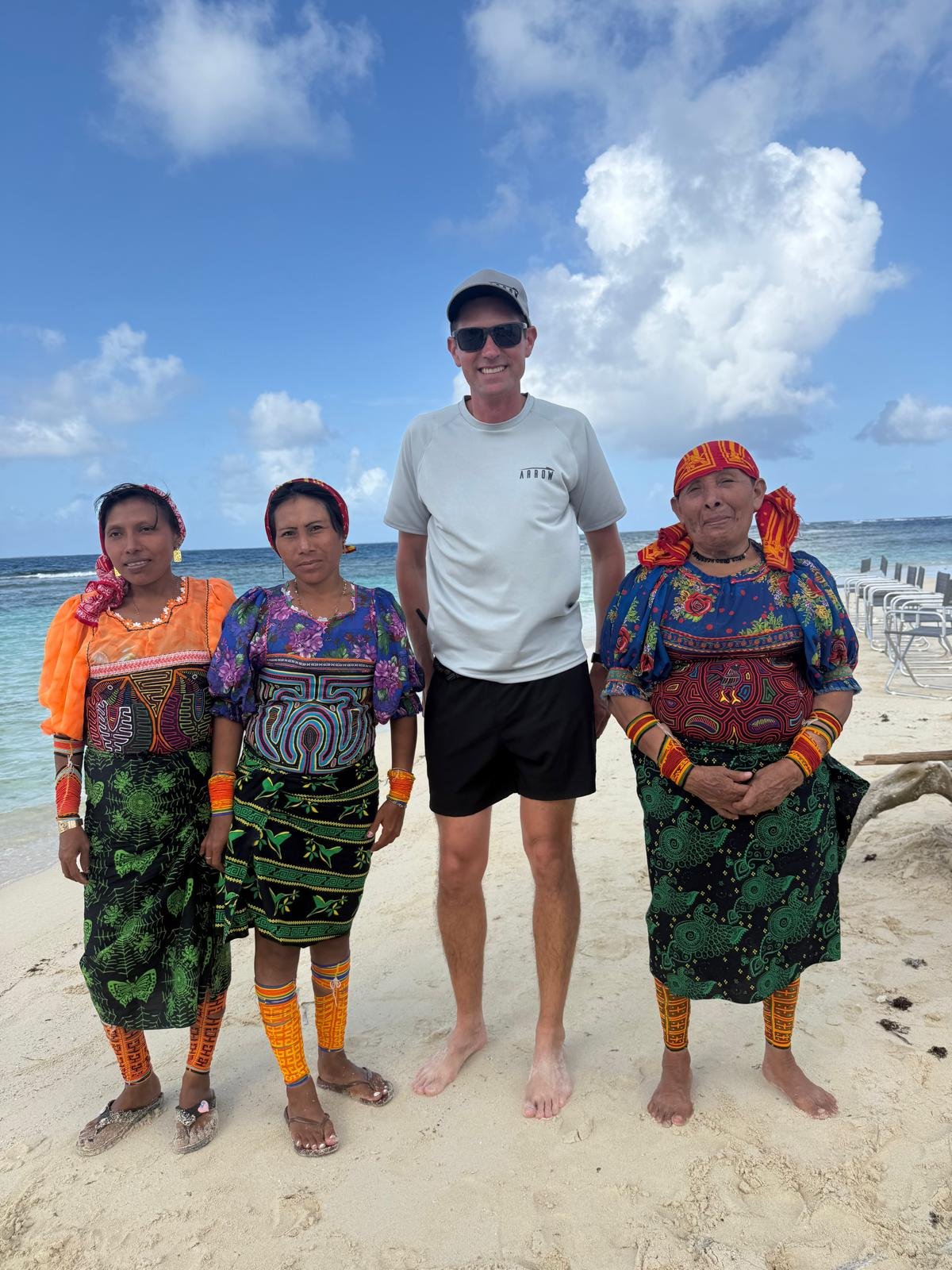
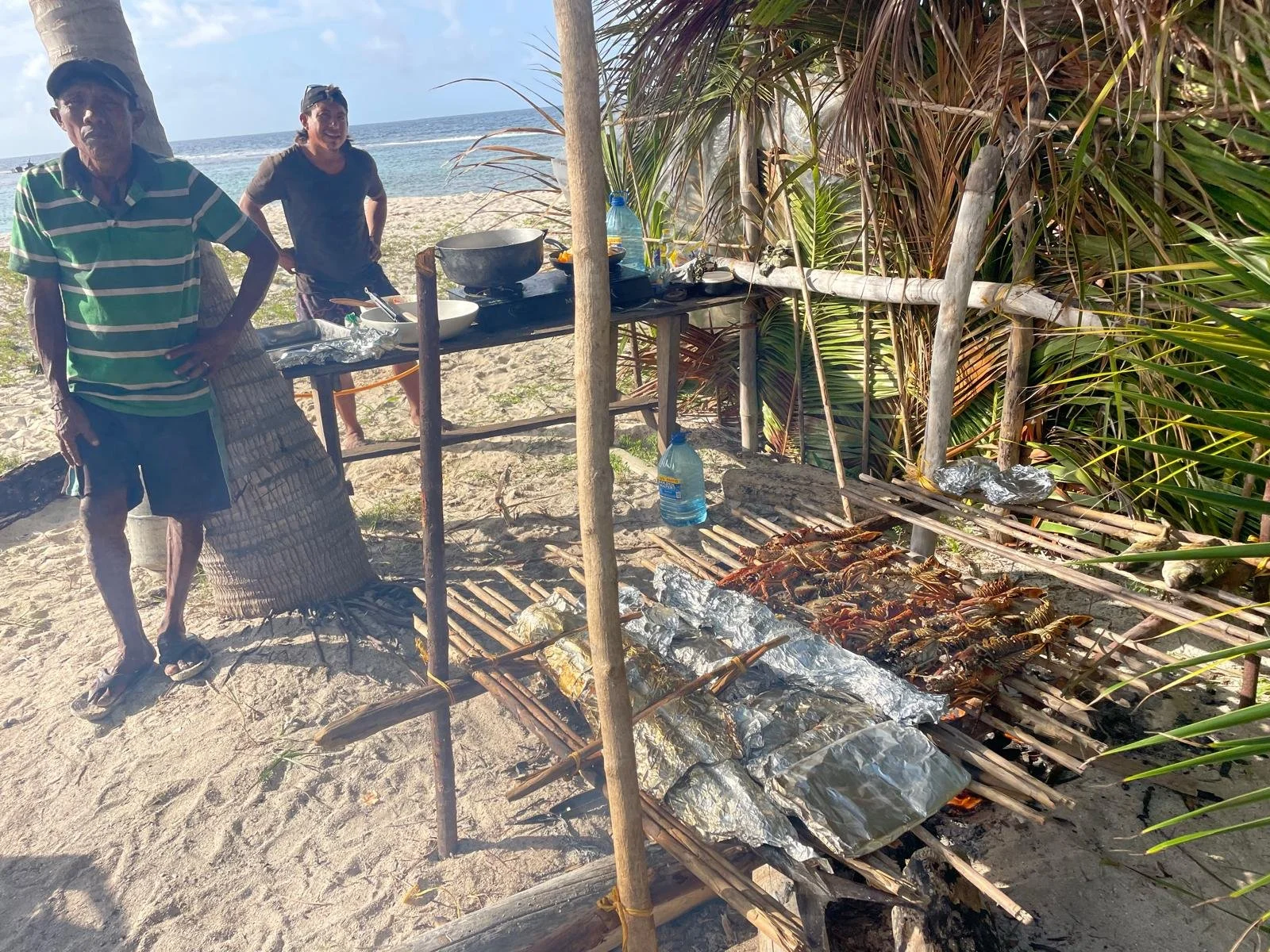
One evening, the guests and crew were invited by Arrow’s local agent to his small private island. They spent the afternoon there playing cricket, followed by a bonfire and a traditional barbecue prepared by the Guna community. It was a good opportunity to learn more about their culture, including that they are believed to be the second-shortest people in the world, something that became apparent when standing next to six-foot James.
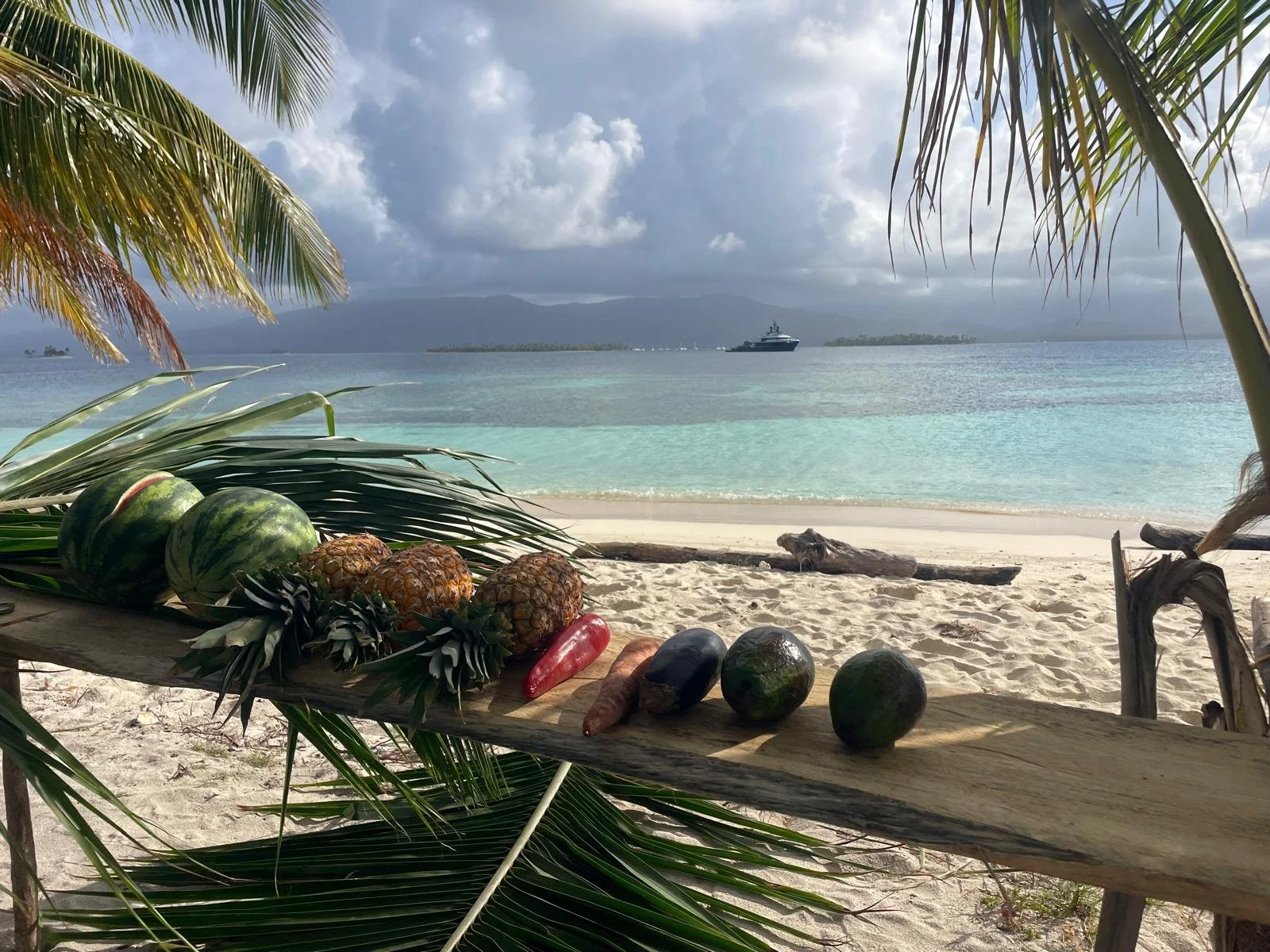
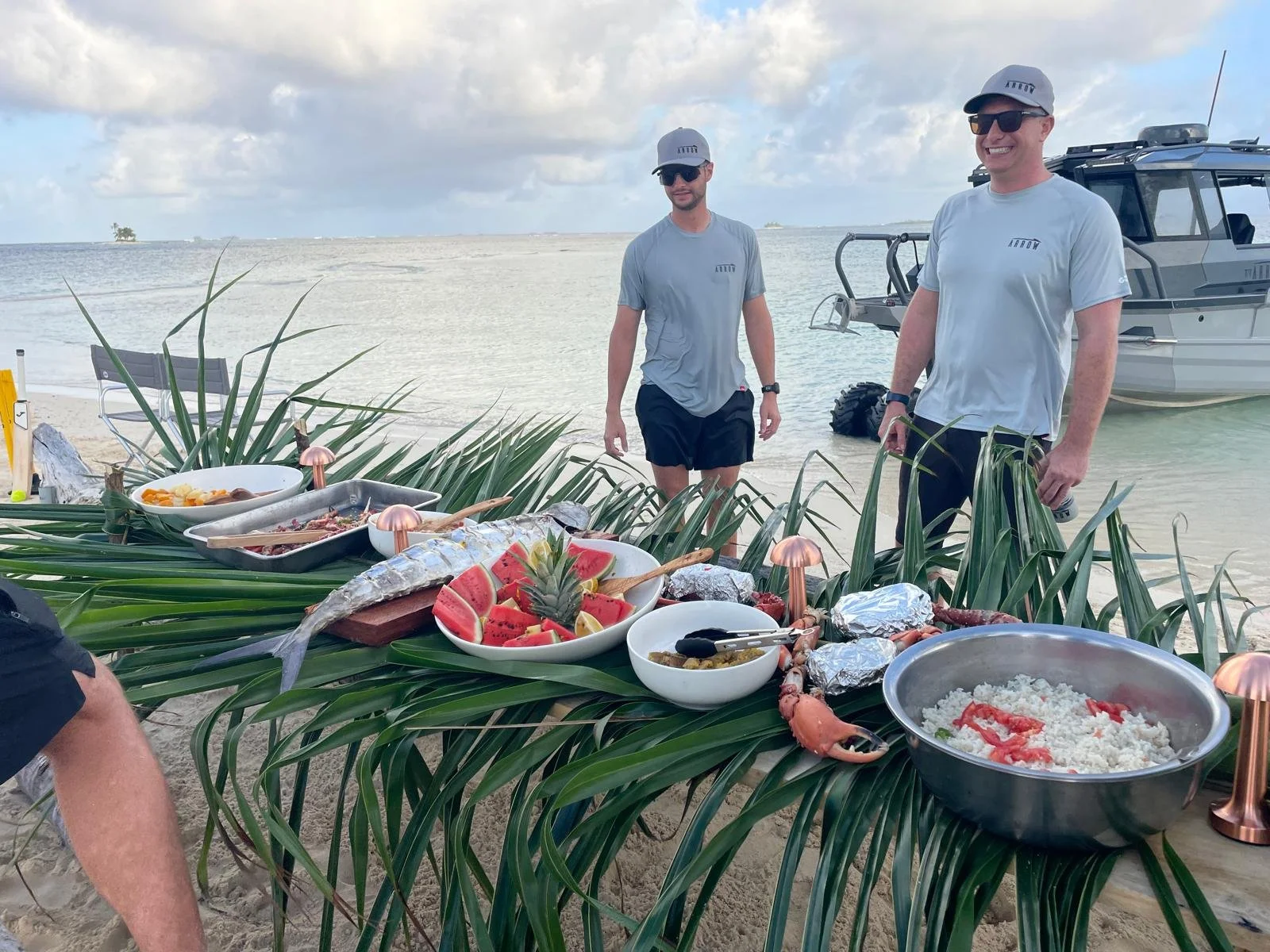
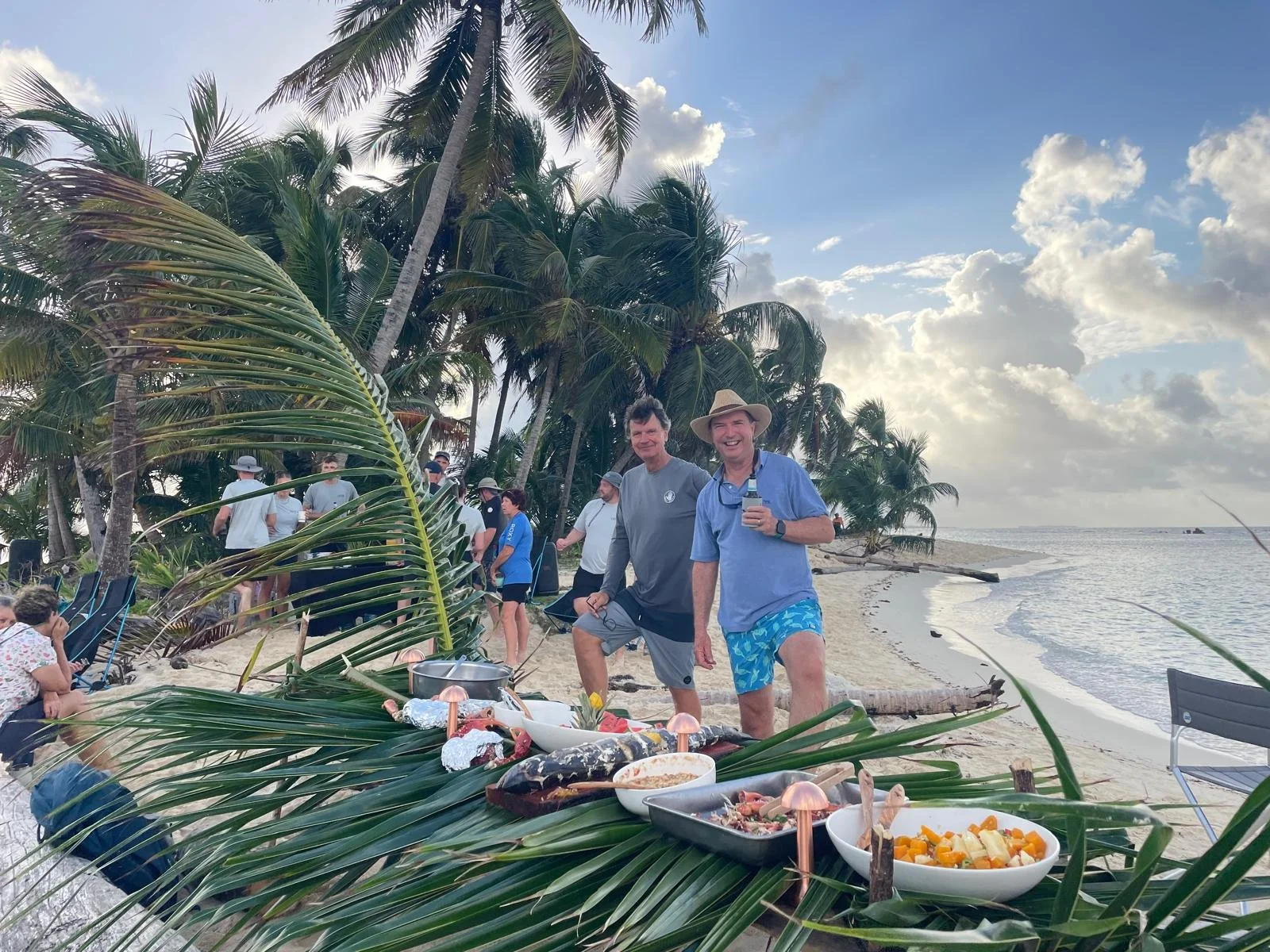
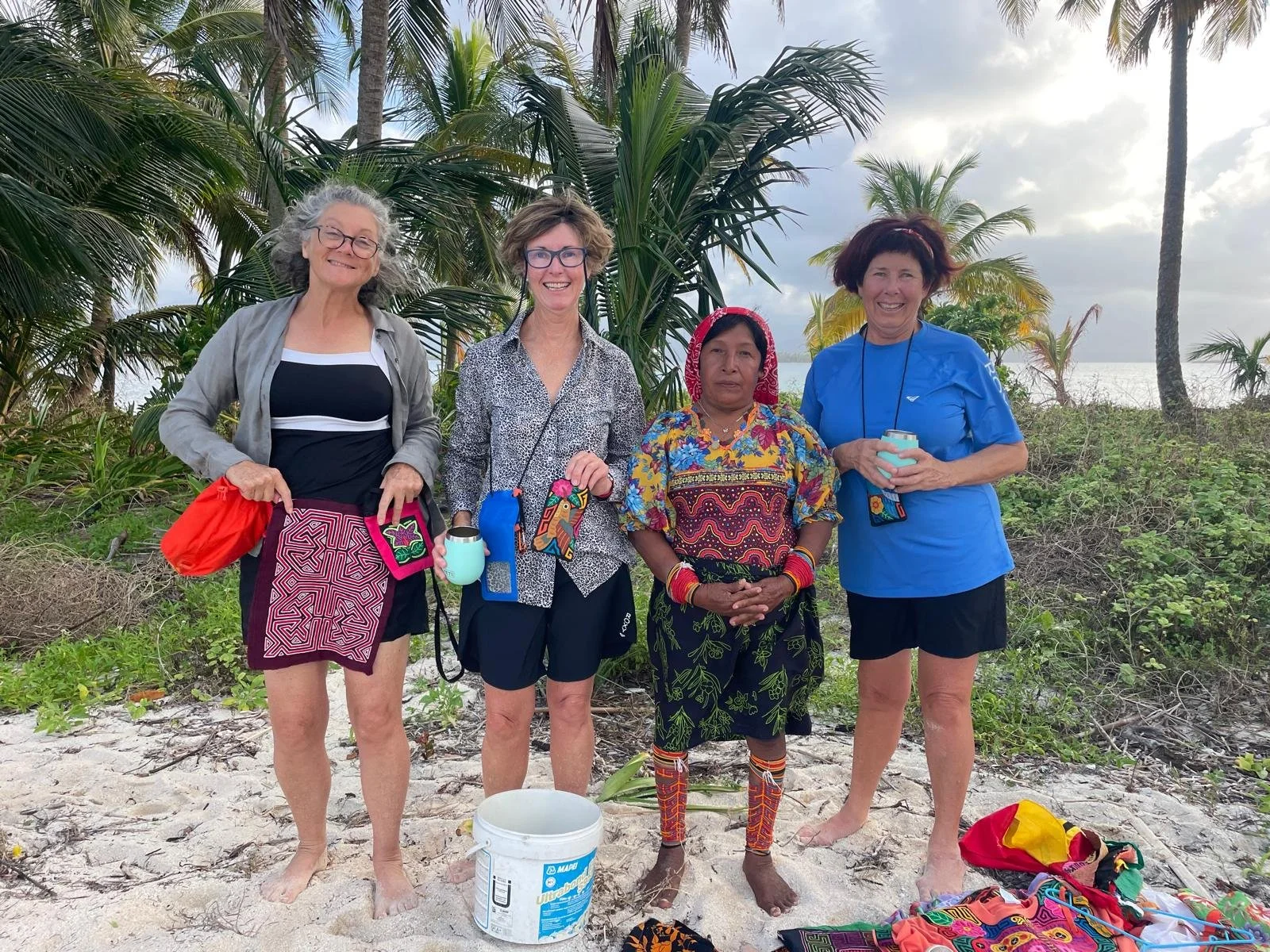
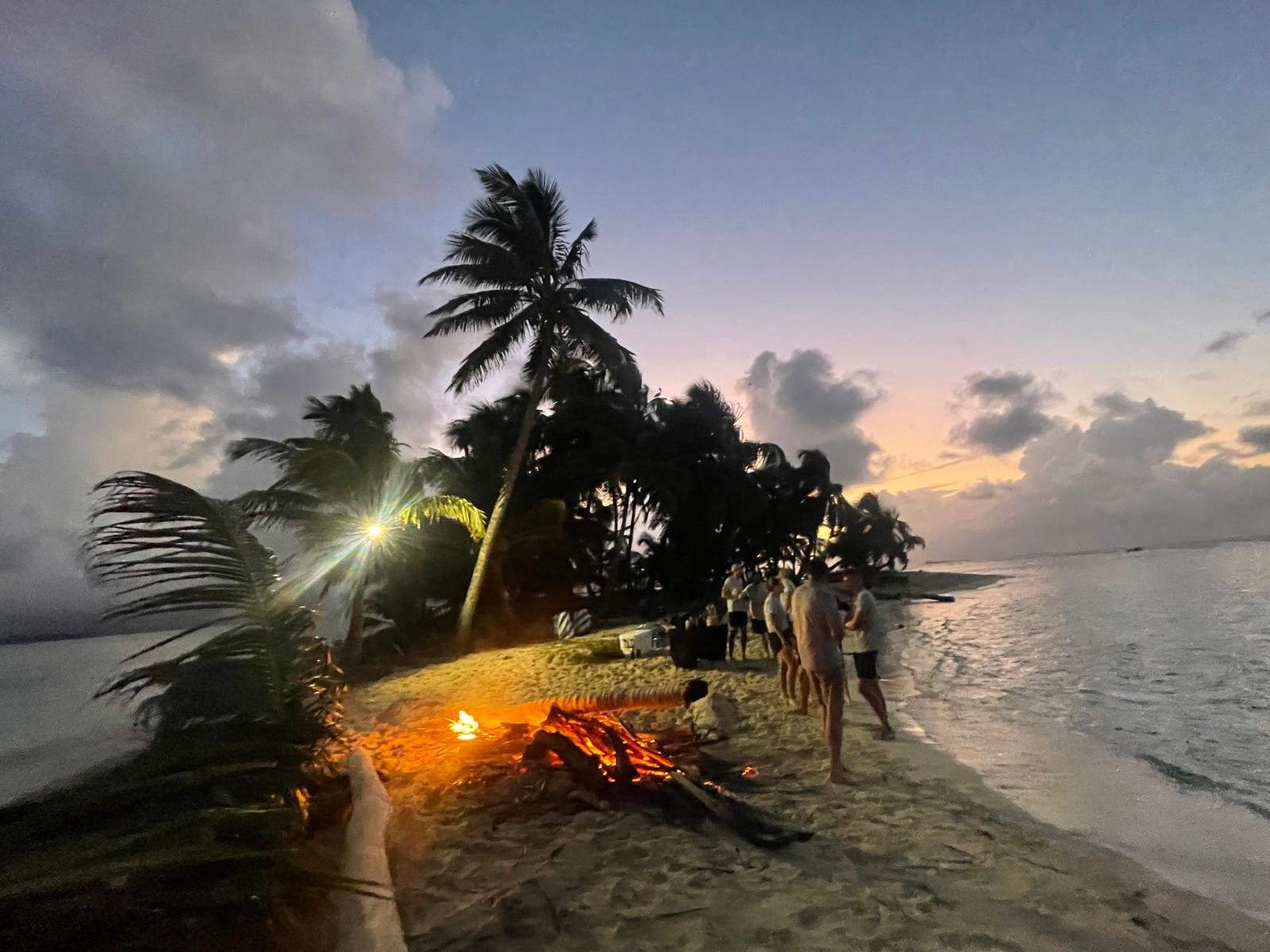
Arrow finished the San Blas leg closer to the mainland, anchoring off Nusatupo and Urgandi as the wind picked up, with a few final hikes and excursions before the next adventure.
Panama Canal
After eight nights in San Blas, Arrow made her way towards Colón, the entrance to the Panama Canal, stopping overnight in Portobelo on route. After several days in remote anchorages, it was the first opportunity for everyone to go ashore for dinner.
Two nights at Shelter Bay Marina followed, preparing for the transit and undergoing the canal’s measuring process. Guests explored the surrounding area by mountain bike – the marina sits on the former U.S. Army base at Fort Sherman, handed back to Panama in the 1990s.
Arrow departed Shelter Bay on a windy lunchtime, anchored in Colón Harbour to pick up the pilot and set off for the first set of locks. It was impressive to see the lock system up close, which uses electric locomotives to guide vessels and raises them 26 metres to the canal's main elevation before lowering them down again on the Pacific side.
After a long day of manoeuvring in strong winds through the Gatún locks, crossing the lake and then through the locks on the Pacific side, Arrow tied up in Flamenco Marina in Panama City just after midnight. The whole transit took approximately nine hours.
The plan from here had been to cruise the Pearl Islands and Coiba before heading north to Costa Rica. Strong northerly winds meant that wasn’t possible, so Arrow stayed in Panama City for two extra nights while the guests organised a three-day road trip to Costa Rica instead.
Costa Rica
The guests' road trip ended at Cielo Lodge, a small eco-lodge high in the rainforest above Golfito. They woke in the morning to see Arrow entering the bay below.
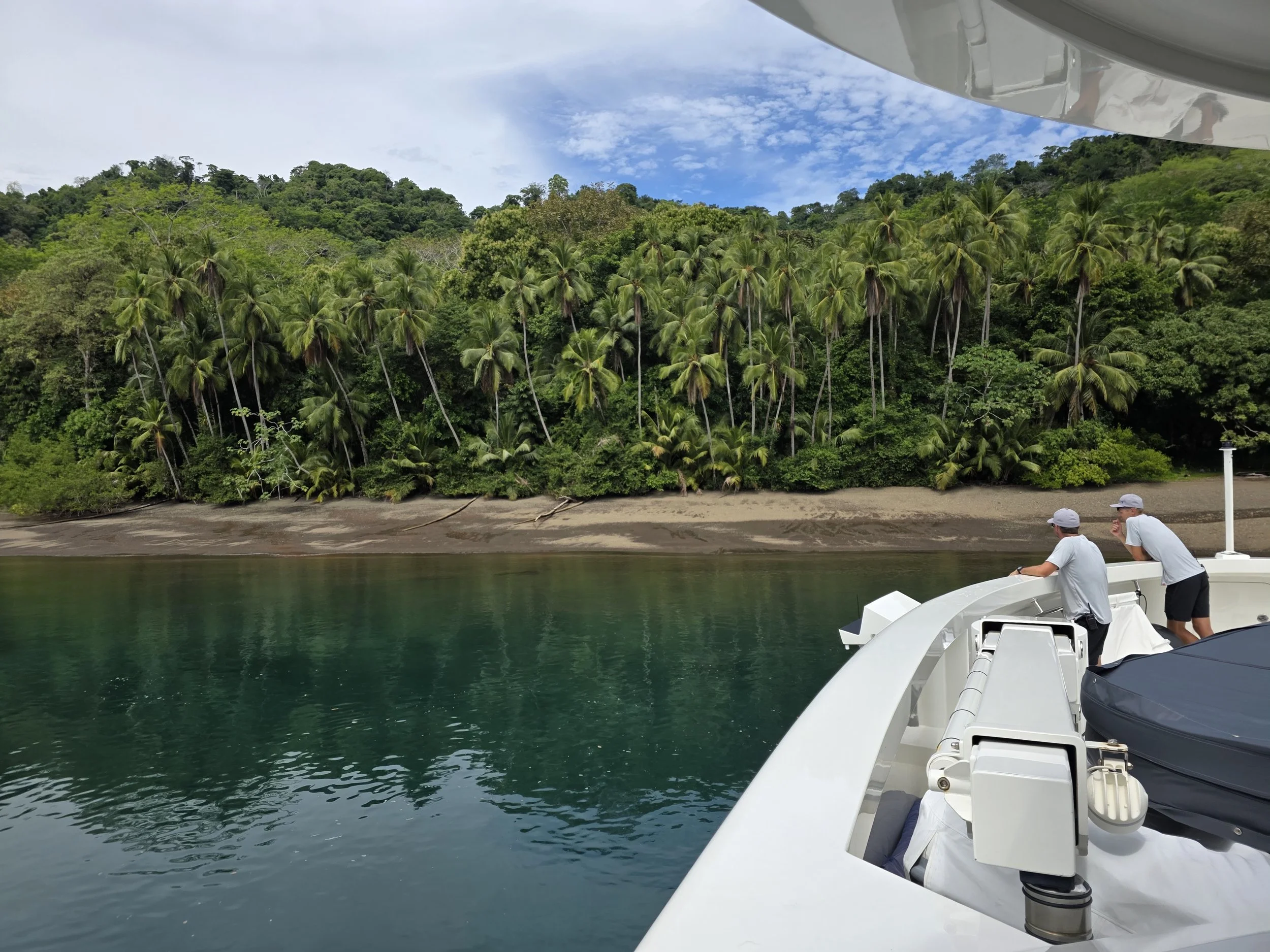
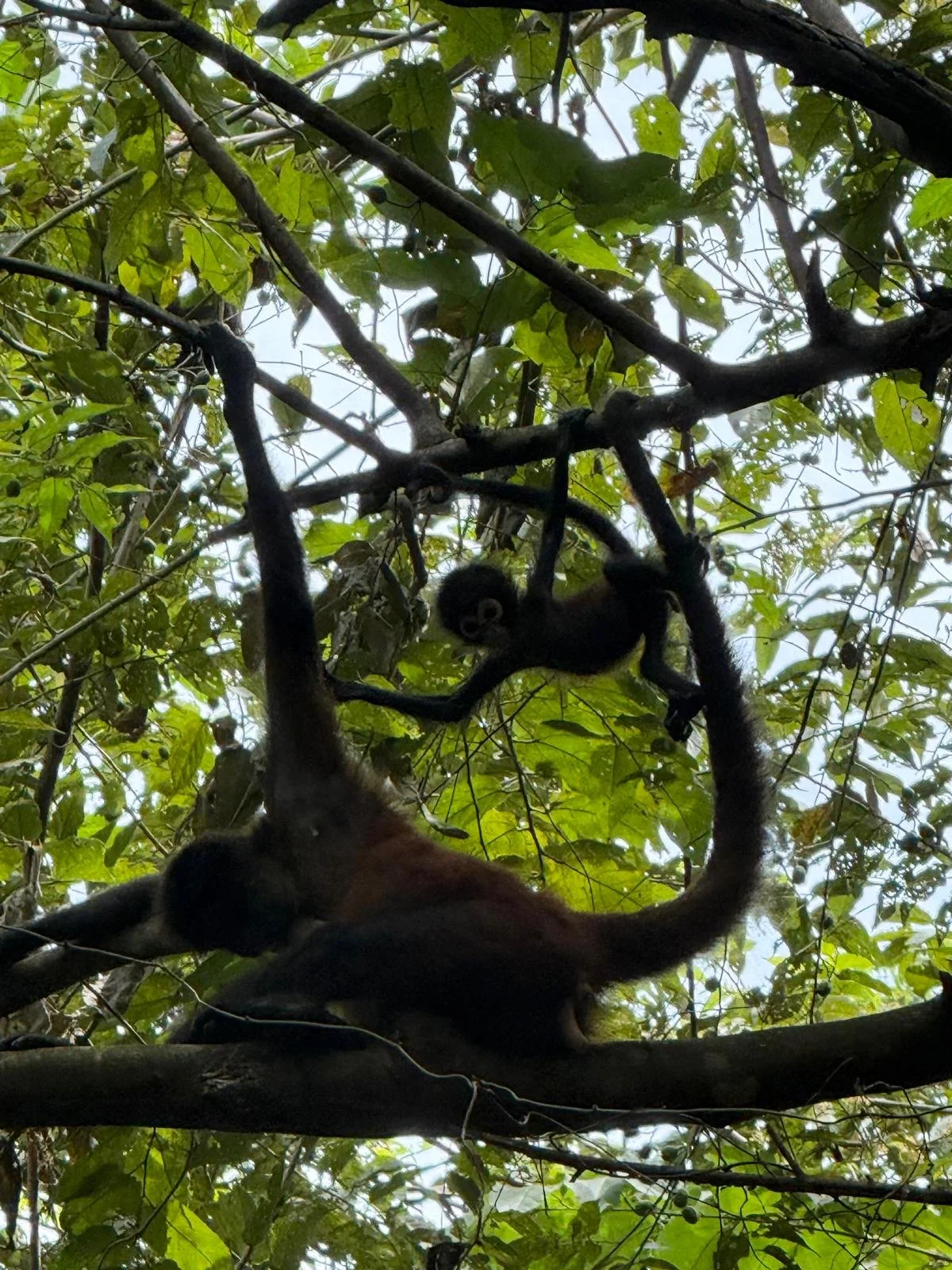
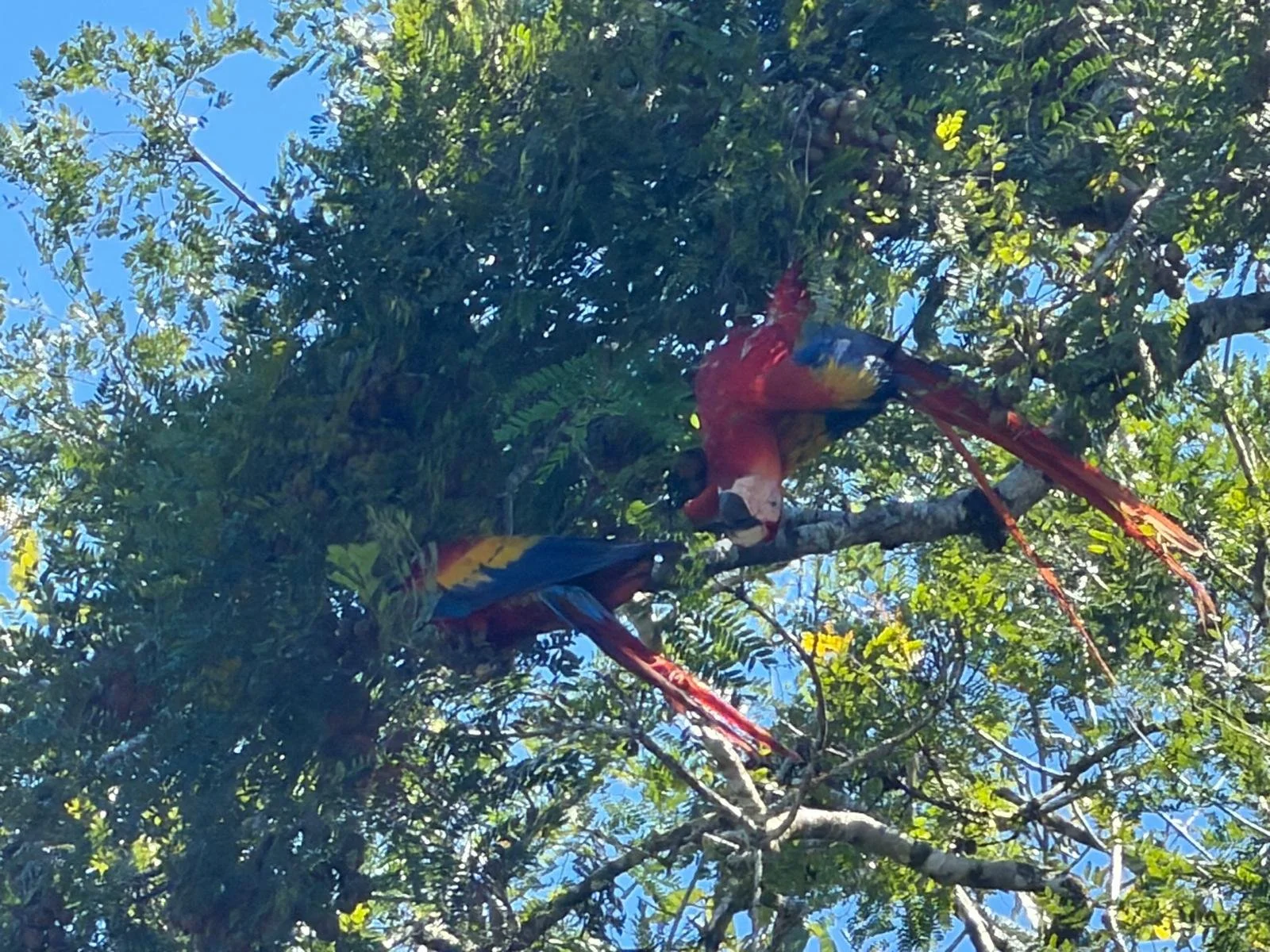
Costa Rica's southern Pacific coast is one of the most biodiverse regions in the world. The rainforest runs almost to the water's edge, filled with monkeys and birds of all varieties. Highlights here included a river tour of the Sierpe wetlands, one of the largest estuarine systems in Central America, and snorkelling at Isla del Caño. Between anchorages, spinner dolphins frequently performed in the wake and alongside the bow.
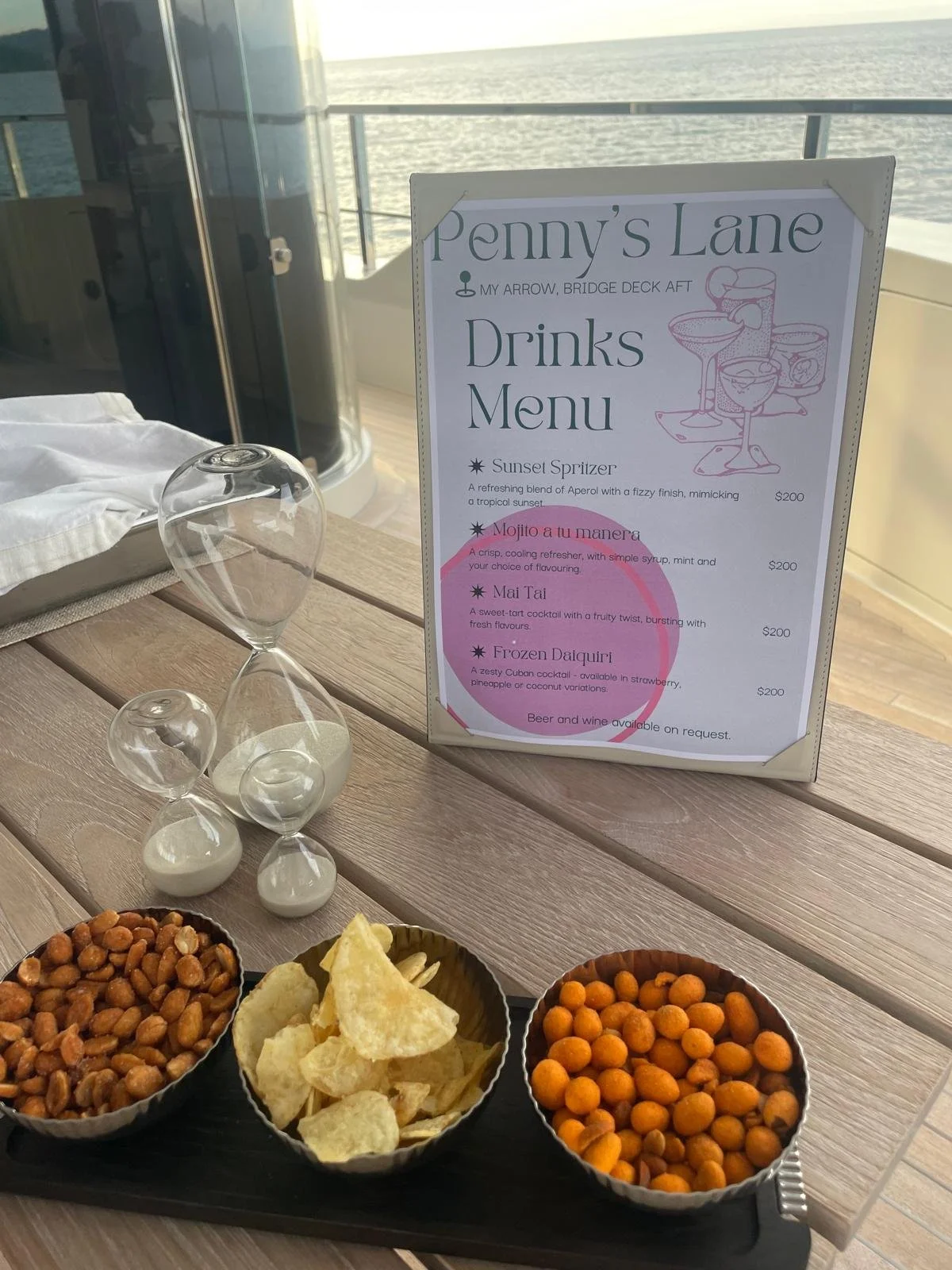
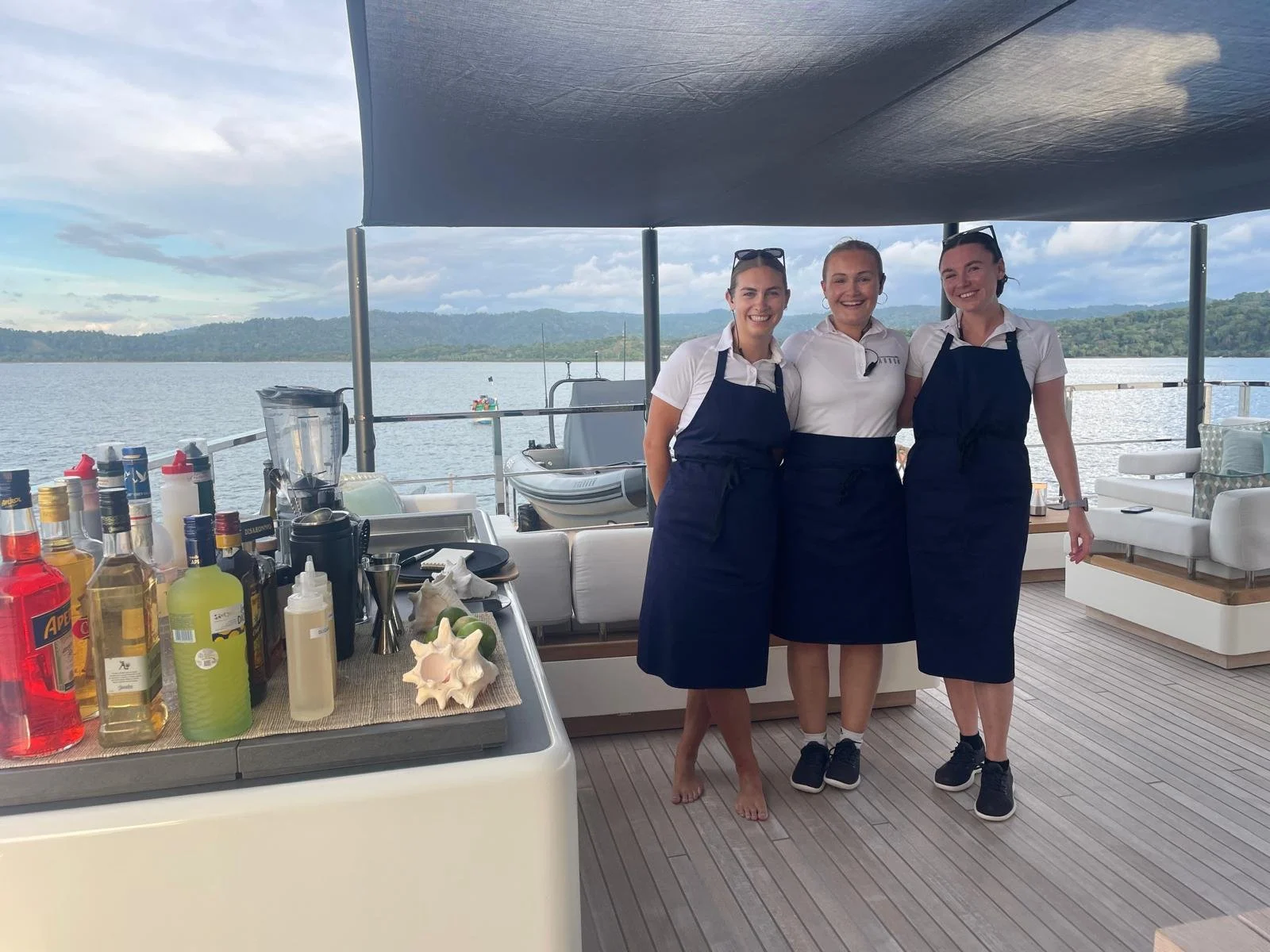
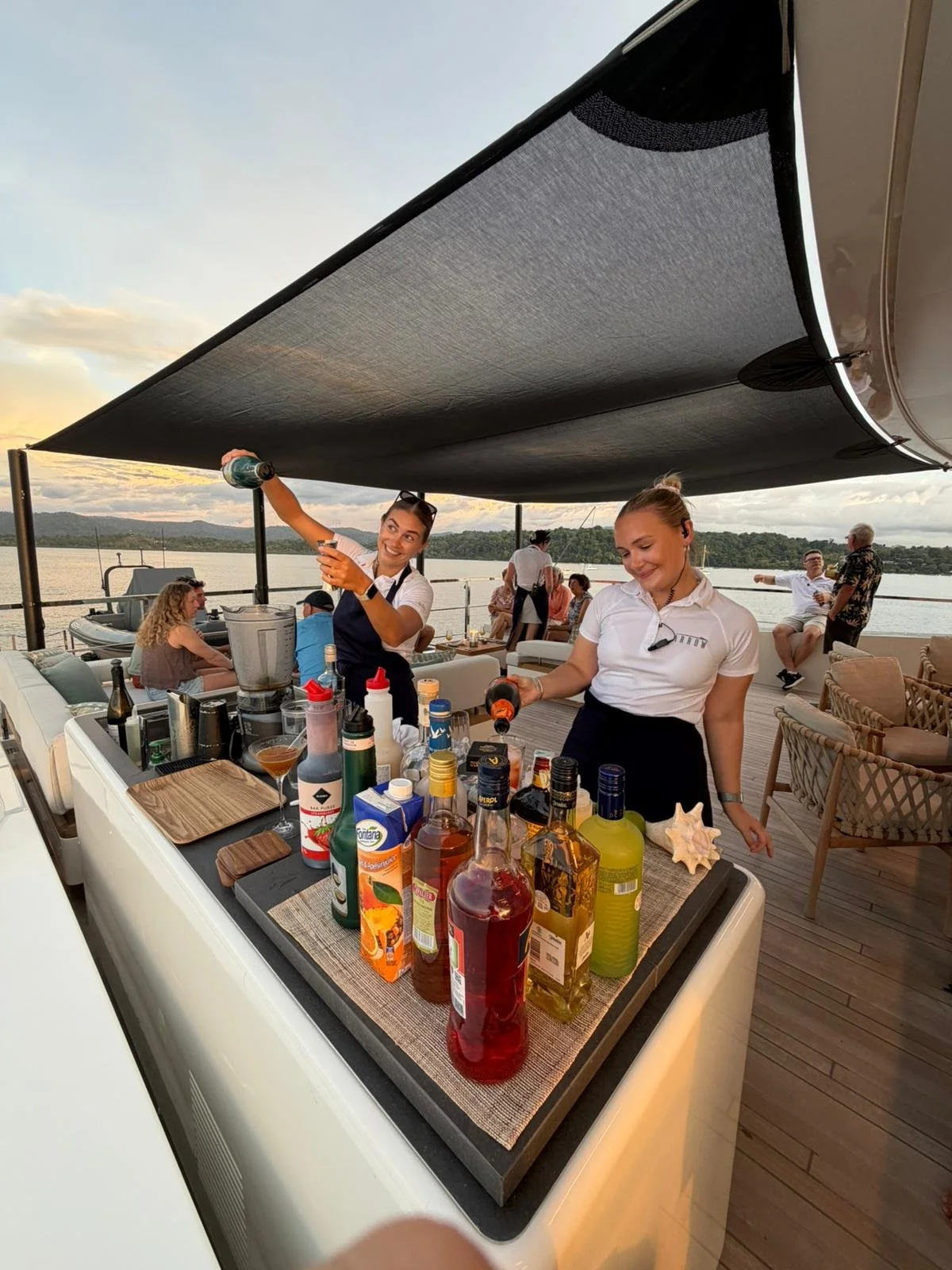
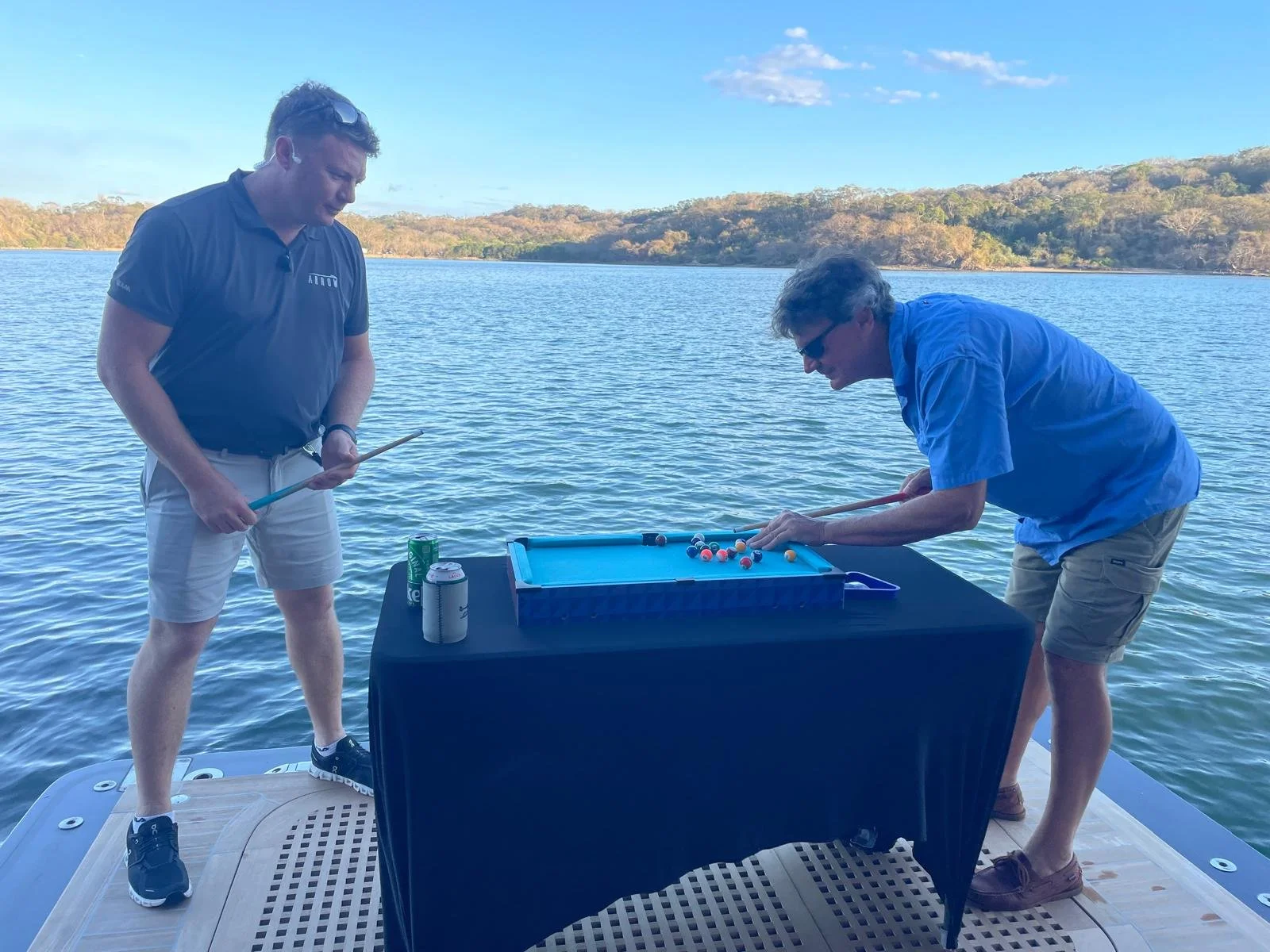
On board, a few new additions appeared over the course of the trip. A trendy pop-up bar called Penny’s Lane opened on the upper deck aft one evening, serving cocktails at sunset. A week later, The Ship Faced Sports Bar was launched in the beach club, complete with darts, pool, cards and live sports.
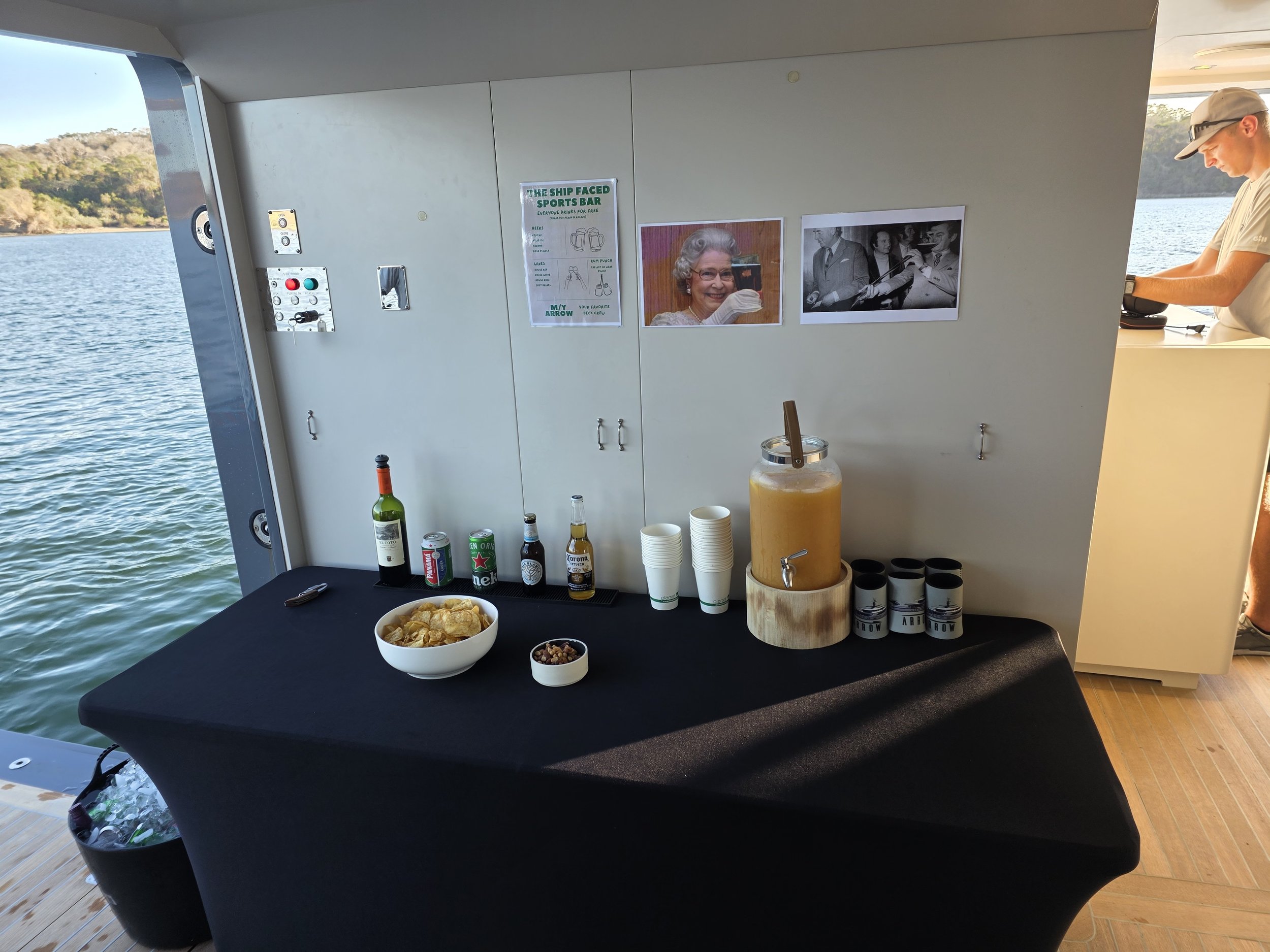
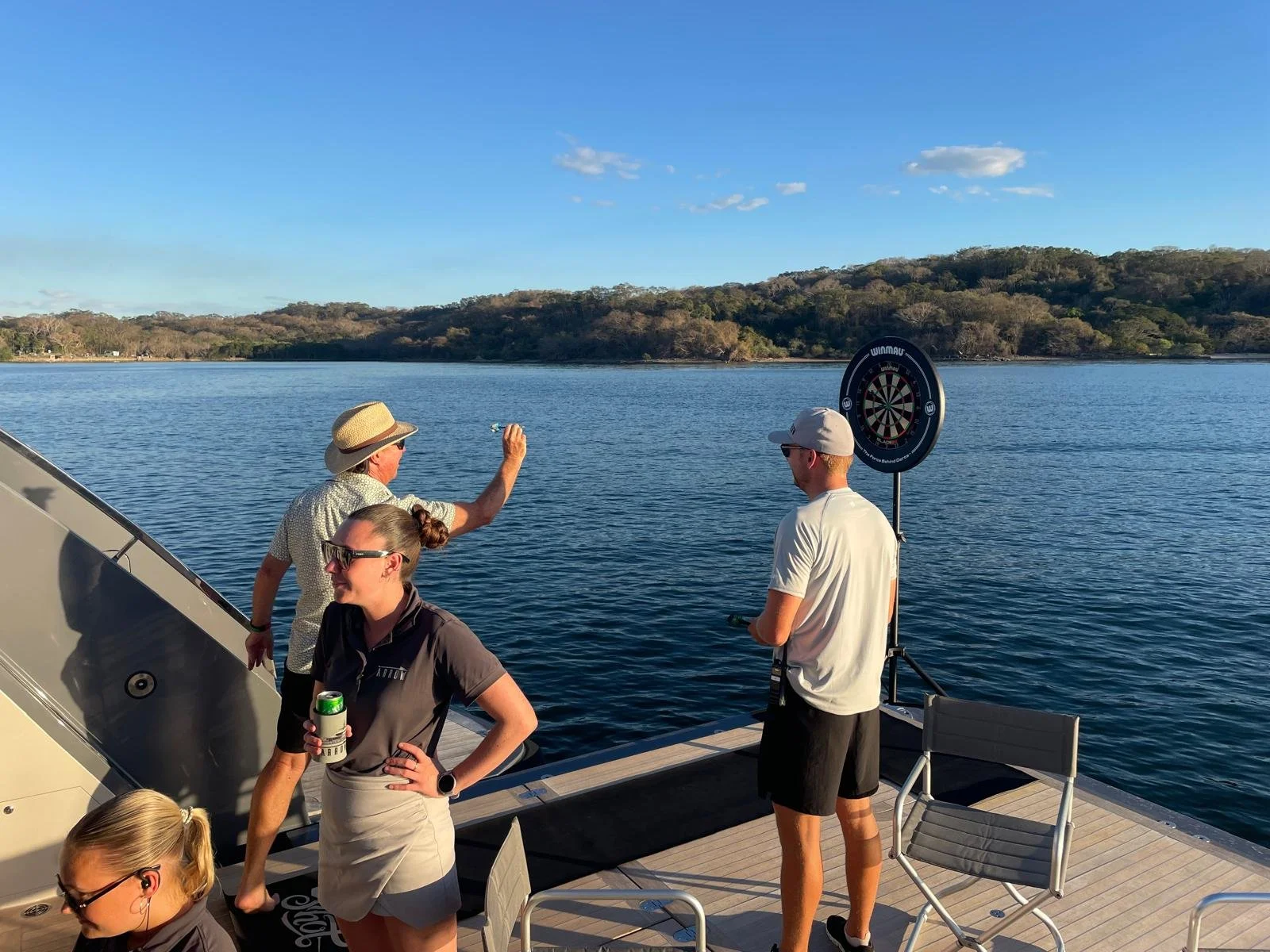
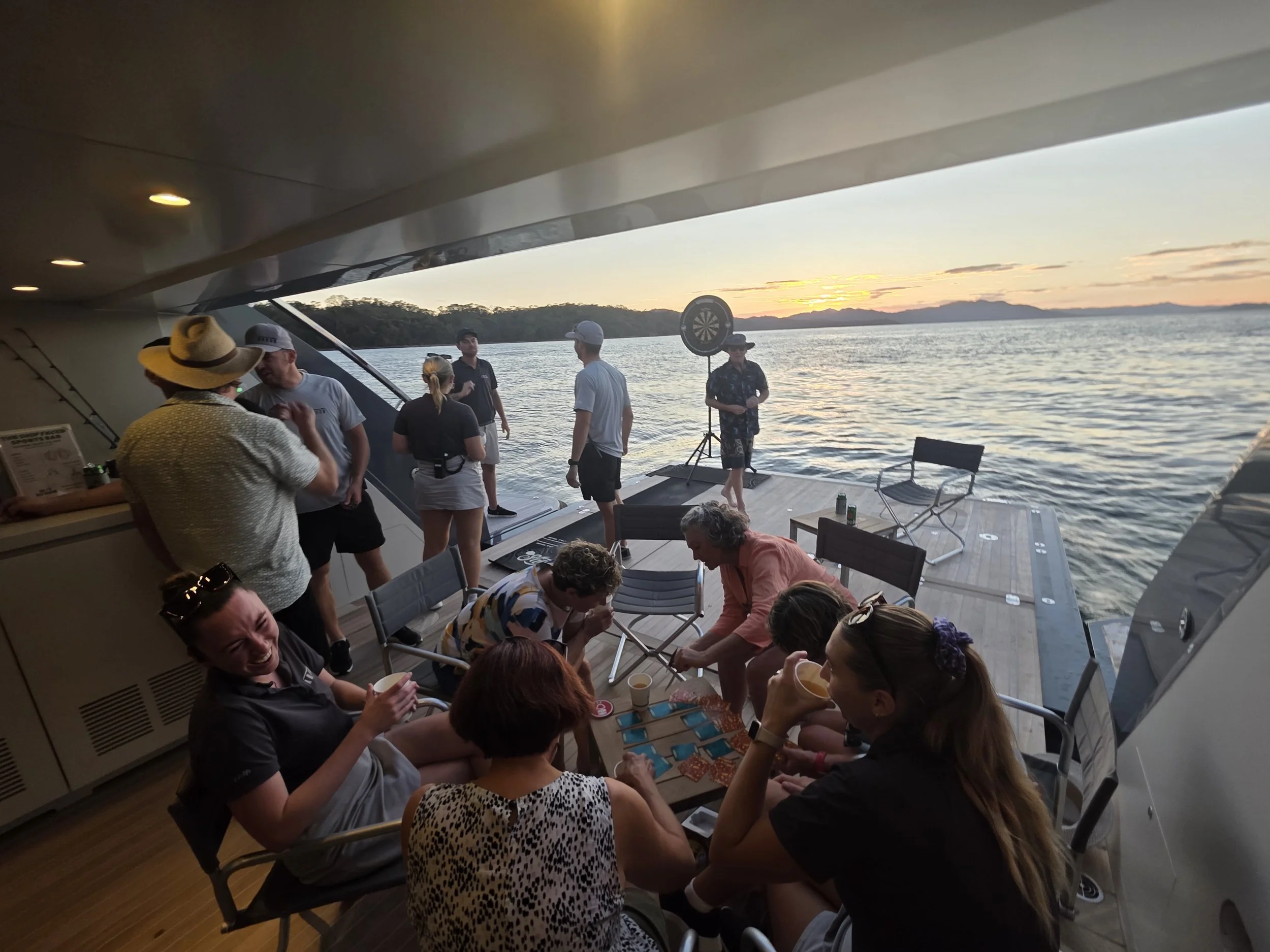
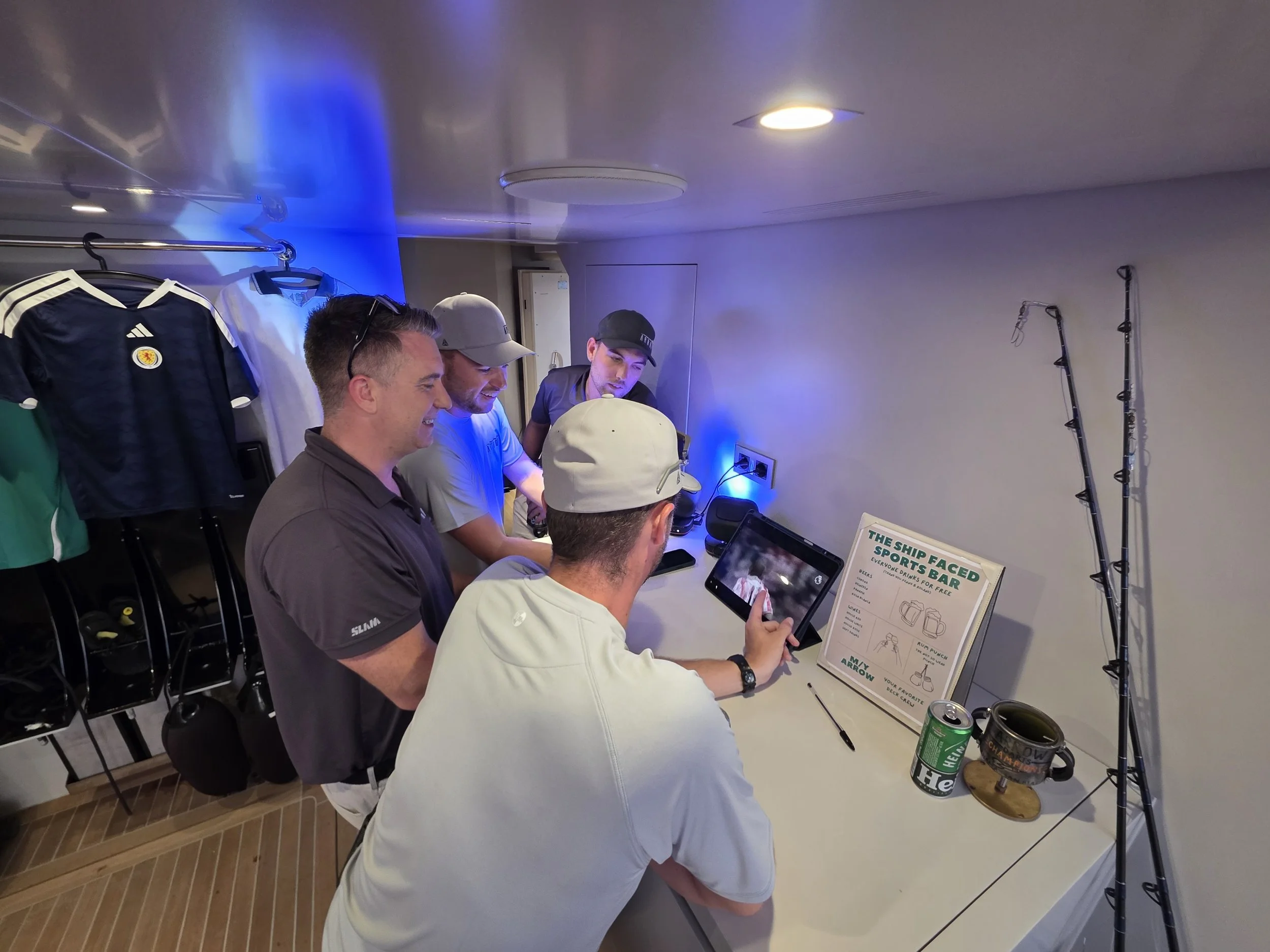
As Arrow cruised further north, conditions became drier and windier. Anchoring off San Lucas Island provided the opportunity to venture ashore and explore a former prison, now part of a national park. One night was spent in Marina Flamingo, one of the best marinas of the trip, with a lively town nearby. Guests had dinner in Las Catalinas at Sentido Norte, with spectacular views of the sunset.
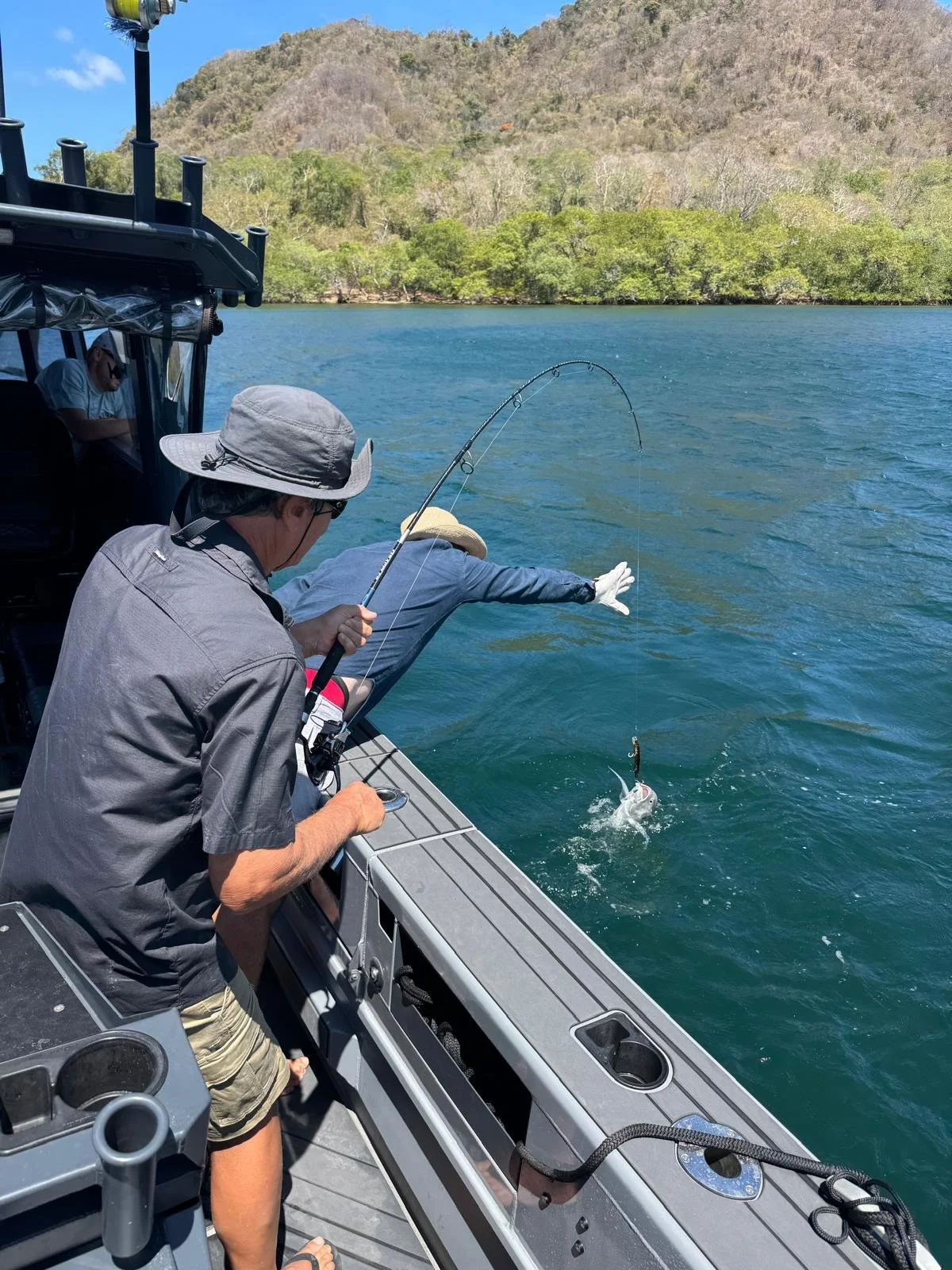
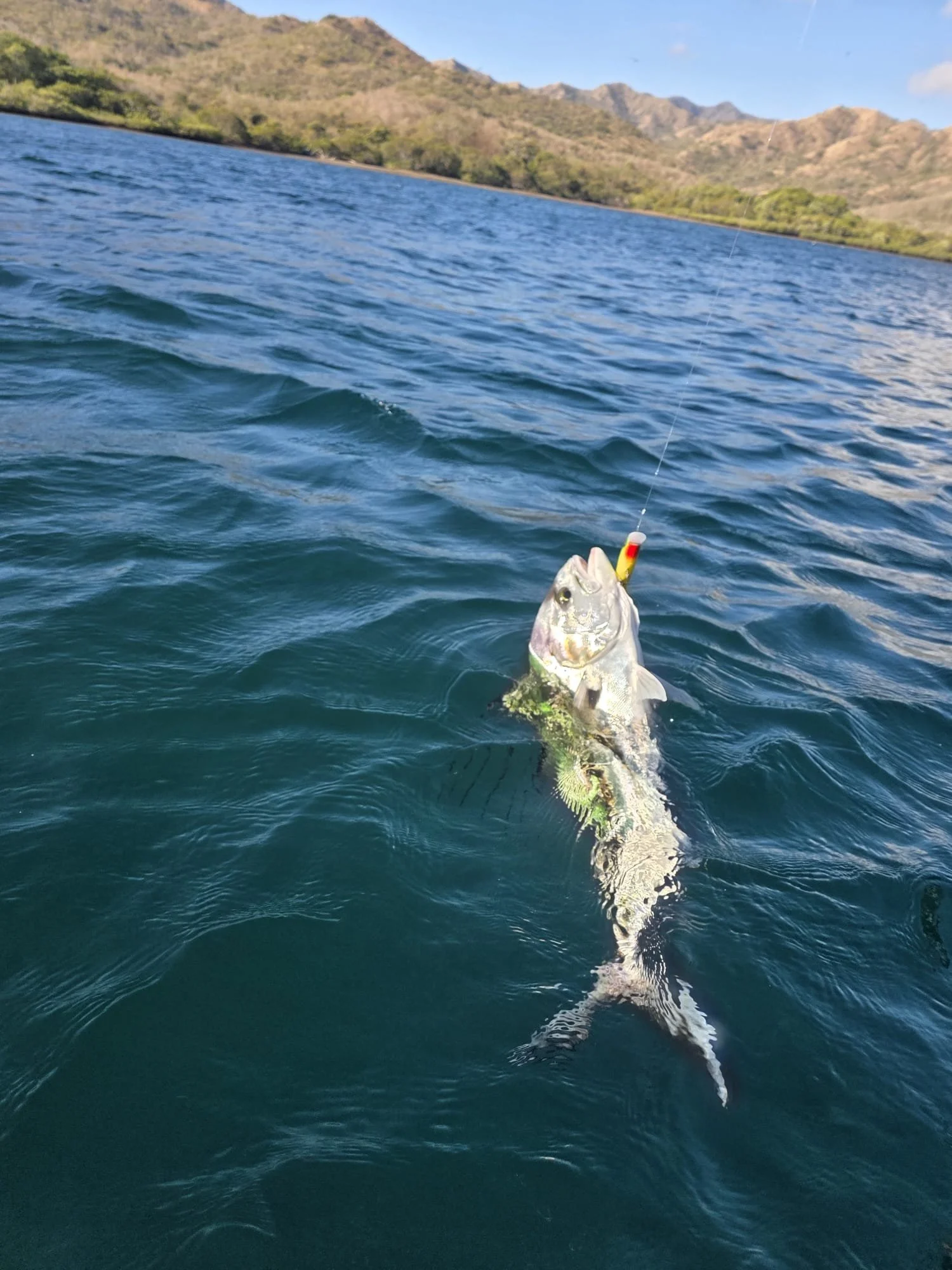
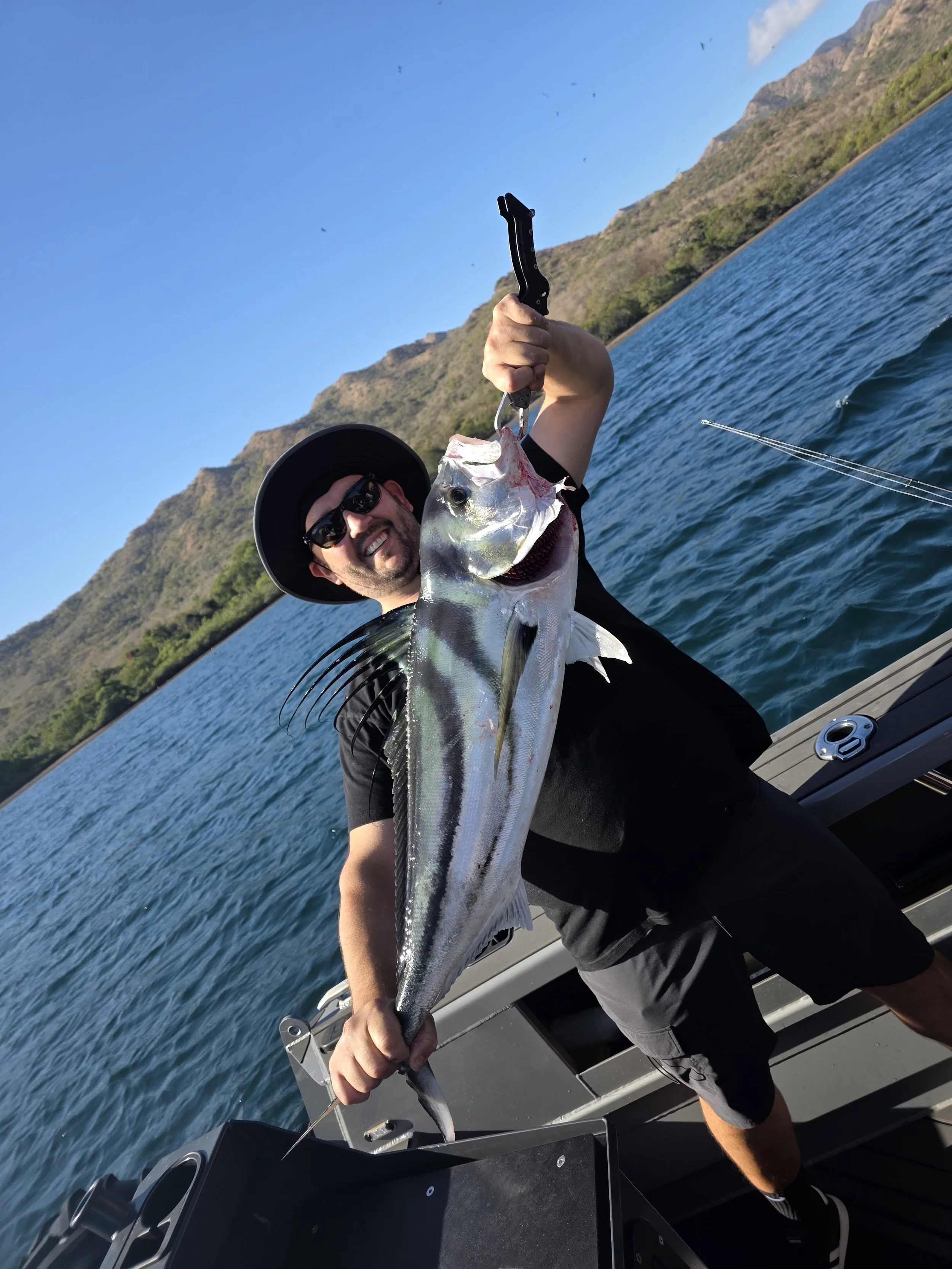
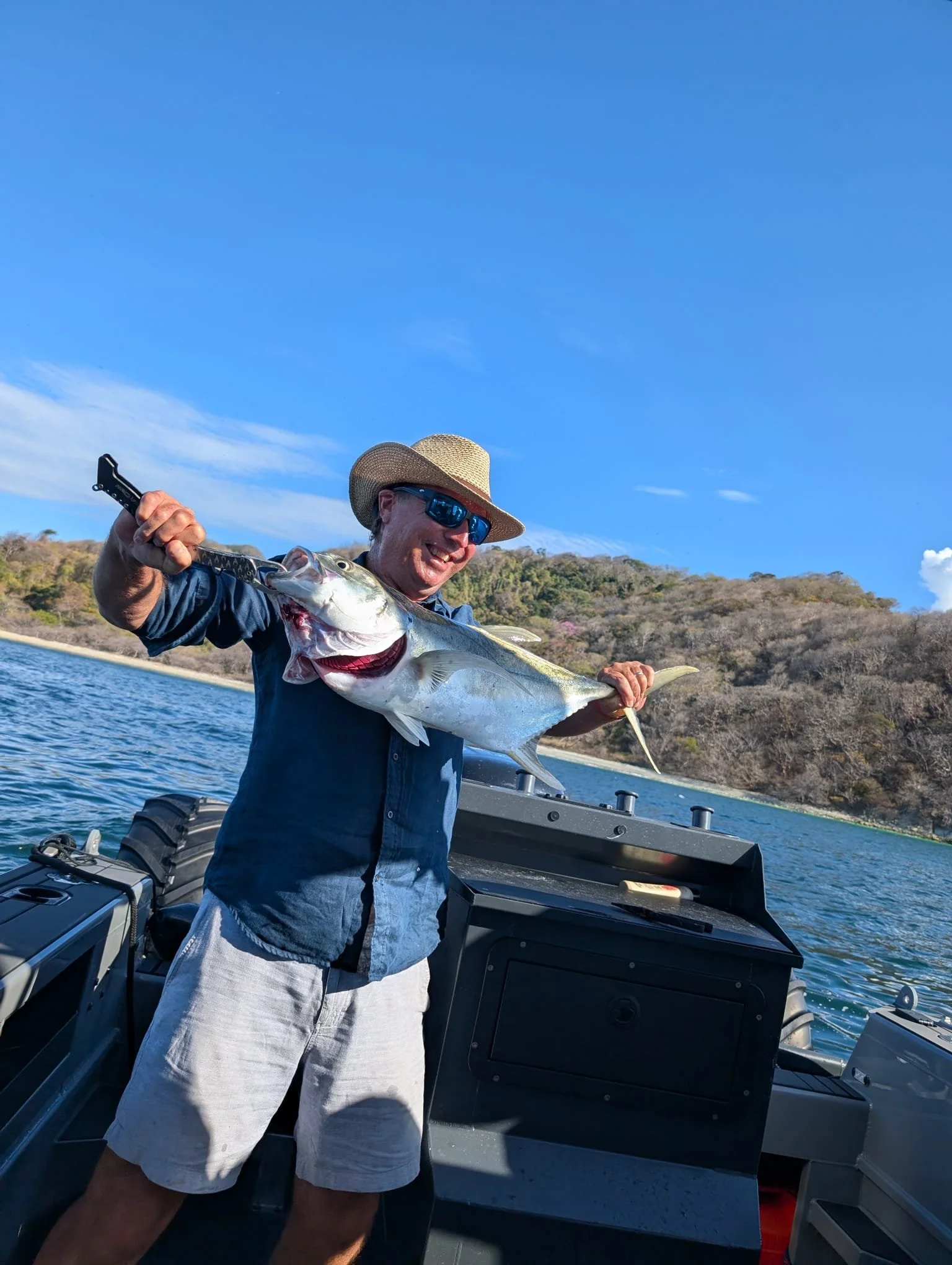
The standout anchorage in Costa Rica was Santa Elena Bay, a protected 9 km² bay inside the Santa Rosa National Park in Guanacaste, where Arrow spent two nights. Despite strong winds, the bay was sheltered, as well as quiet and teeming with marine life. Whales, dolphins, stingrays and turtles were all sighted. Fishing trips in the tender were highly successful, including the catch and release of a highly prized roosterfish.
The trip ended in Papagayo, where dinner at Chao Pescao, a restaurant set in the treetops above the marina, made for a fitting conclusion.
Arrow heads next for the Galápagos, a brief stop on the way to Tahiti, before the next trip in Tonga and Fiji.
