Rounding the Top of Australia
With a helicopter onboard for the first time, Arrow explored the Great Barrier Reef and Australia’s remote northern coastline over four weeks.
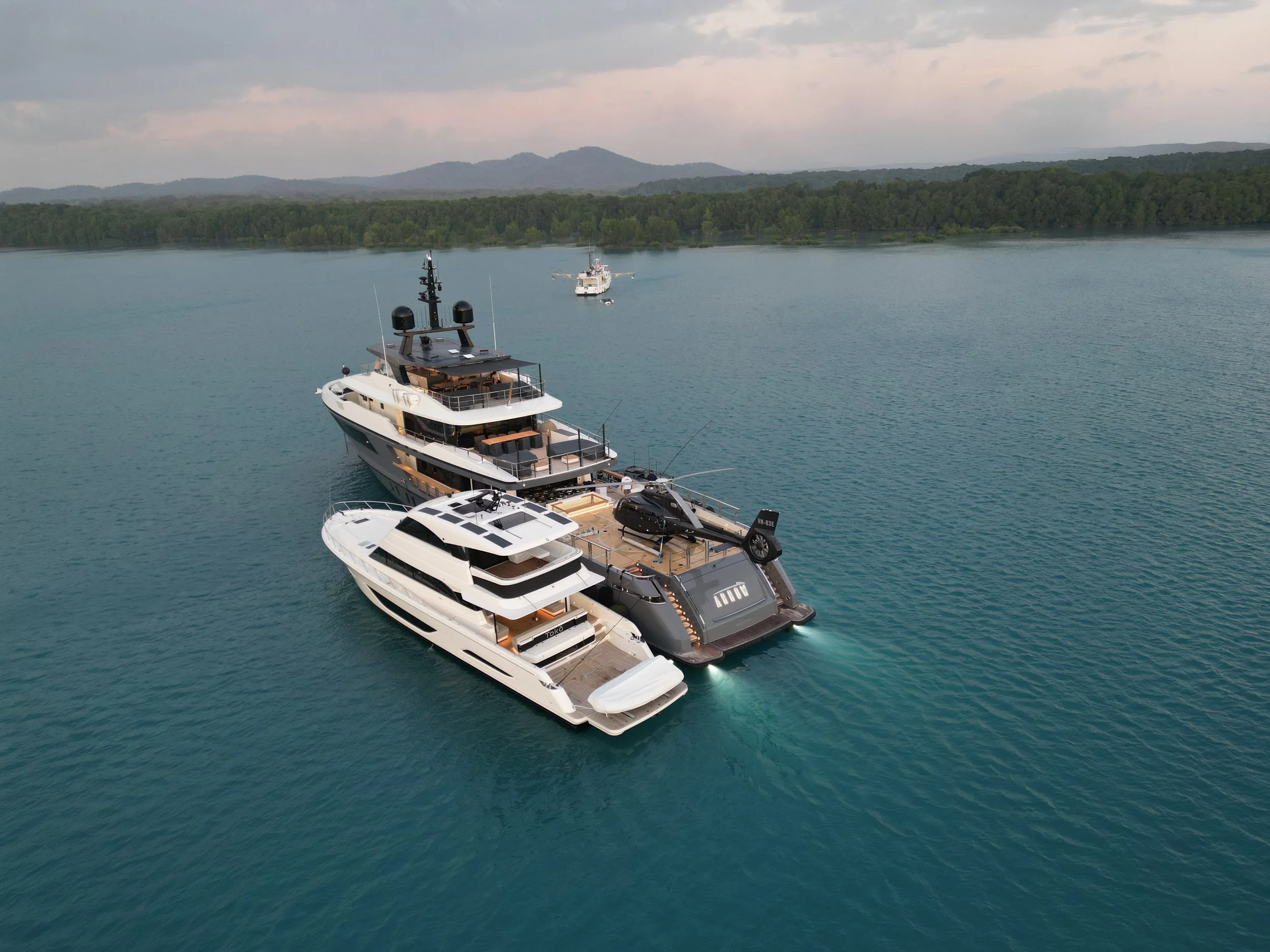
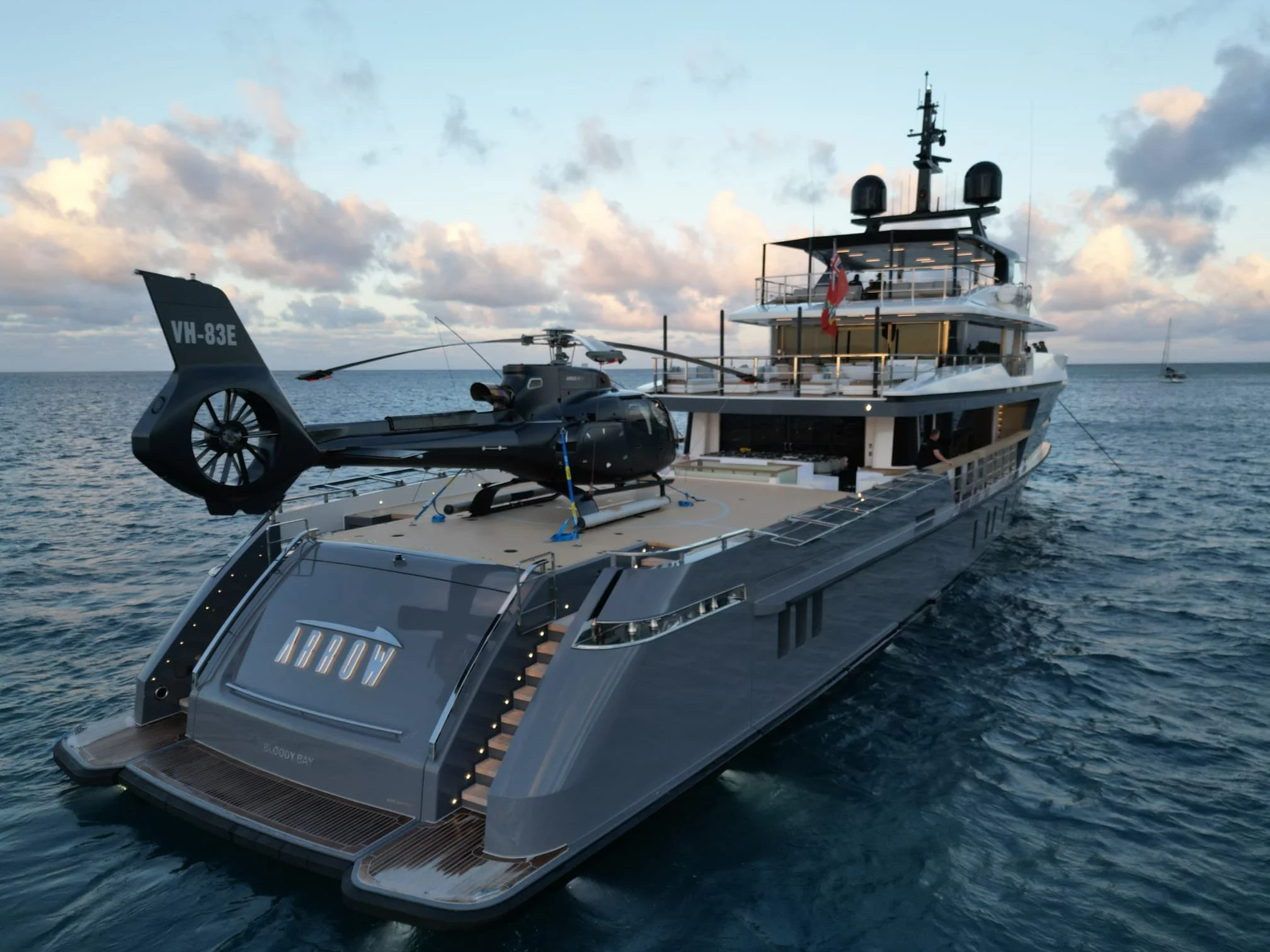
Following some downtime in Cairns, Arrow headed north through the Great Barrier Reef, around Cape York and across the top of Australia to Darwin. As the first trip in Penny and Roland’s home nation, it was also the first opportunity to make use of Arrow’s helideck and bring along their H130 helicopter.
Stretching thousands of miles, the route would take Arrow from the tropical reefs and islands of Far North Queensland, through the Torres Strait and across the Gulf of Carpentaria to the remote coastline of Arnhem Land. With vast distances and many places difficult to reach by road or boat along the way, the helicopter would open up an entirely new way to explore.
One of the features that had particularly appealed when purchasing Arrow was her large main deck aft, which can be made completely flush to serve as a helideck. In preparation for using the helicopter onboard, the crew undertook the necessary helicopter operations training, while additional equipment was sourced, including wheels, tie-downs, covers and fuel pump systems.
After flying the helicopter with the pilot from Perth to Cairns, camping in the outback along the way, Penny and Roland arrived in Cairns, met up with the rest of the guests and boarded Arrow. They set off with not only the helicopter in tow, but support yacht Tokō also providing additional accommodation and flexibility.
Great Barrier Reef
North of Cairns, the trip got underway with the guests making the most of the helicopter most mornings. The first outing paired a coffee plantation with a fixed-menu lunch at a lodge on the Mount Mulligan plateau. An 80-mile flight then brought the group back to Arrow, landing on her aft deck while she was still underway off Hope Island and making quite the entrance.
The next morning, a short flight took the guests to a deserted beach on the mainland. While the pilot caught up on emails from a Starlink-powered office with arguably the best view in Queensland, the guests set off along a track that felt like the very middle of nowhere, only to find multiple groups camped along it, deep in some ‘au naturel’ morning meditation.
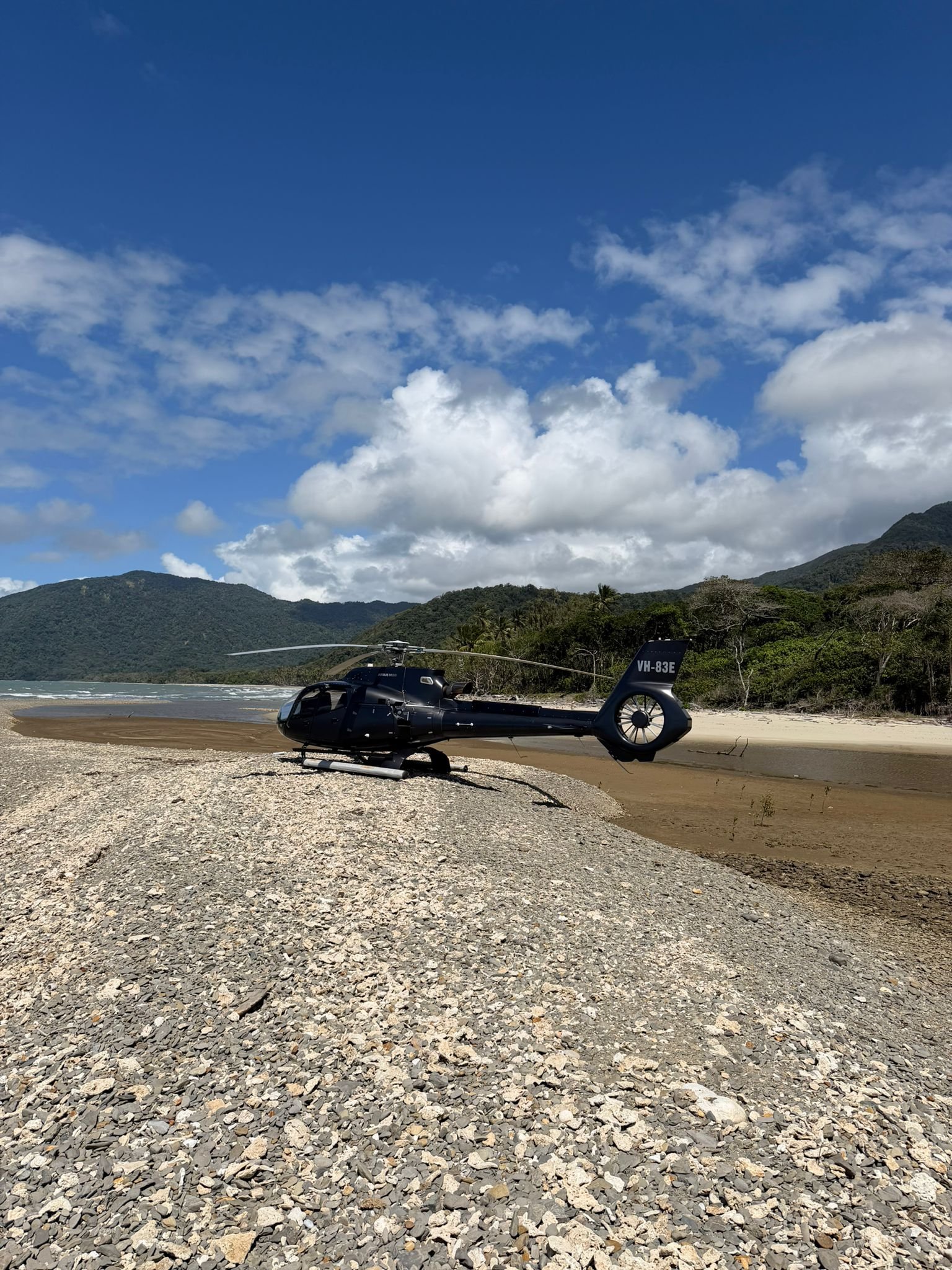
The group flew on to the Lion’s Den Hotel, an outback pub otherwise only reachable by four-wheel-drive. Captain Benjamin had phoned ahead for permission to land on its grassy verge, but a caravan parked squarely in the landing spot prompted an urgent second call. The landlord’s advice was simply to “come on down”. After landing in front of a mildly surprised audience, it was chicken schnitzels all round.
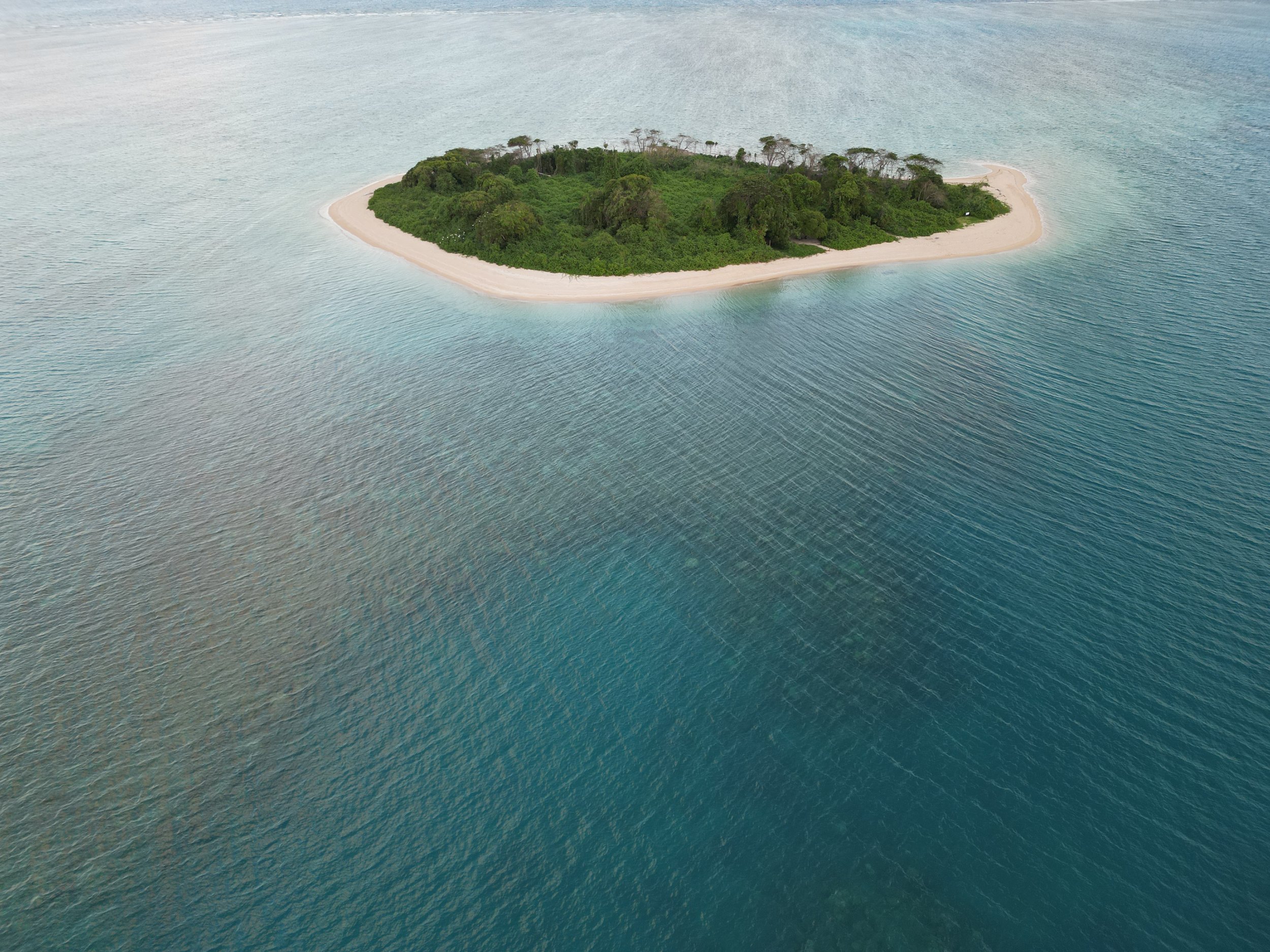
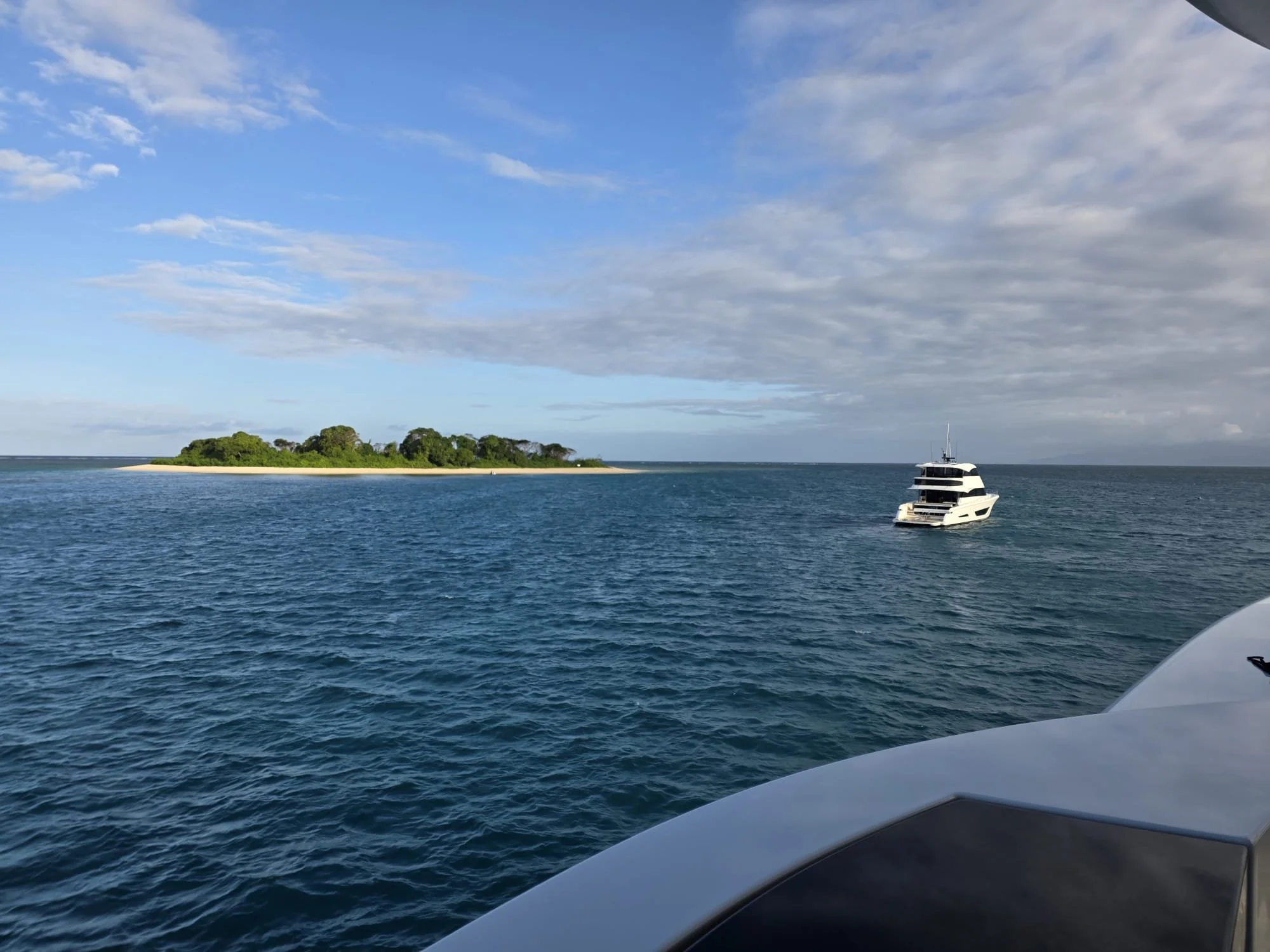
The next stop was Cape Flattery: a long, white dune of pure silica sand. Arrow and Tokō rafted up for the first time, aligning their swim platforms so guests and crew could step across to the ‘extended crew mess’. The next morning the guests walked for miles along the empty beach.
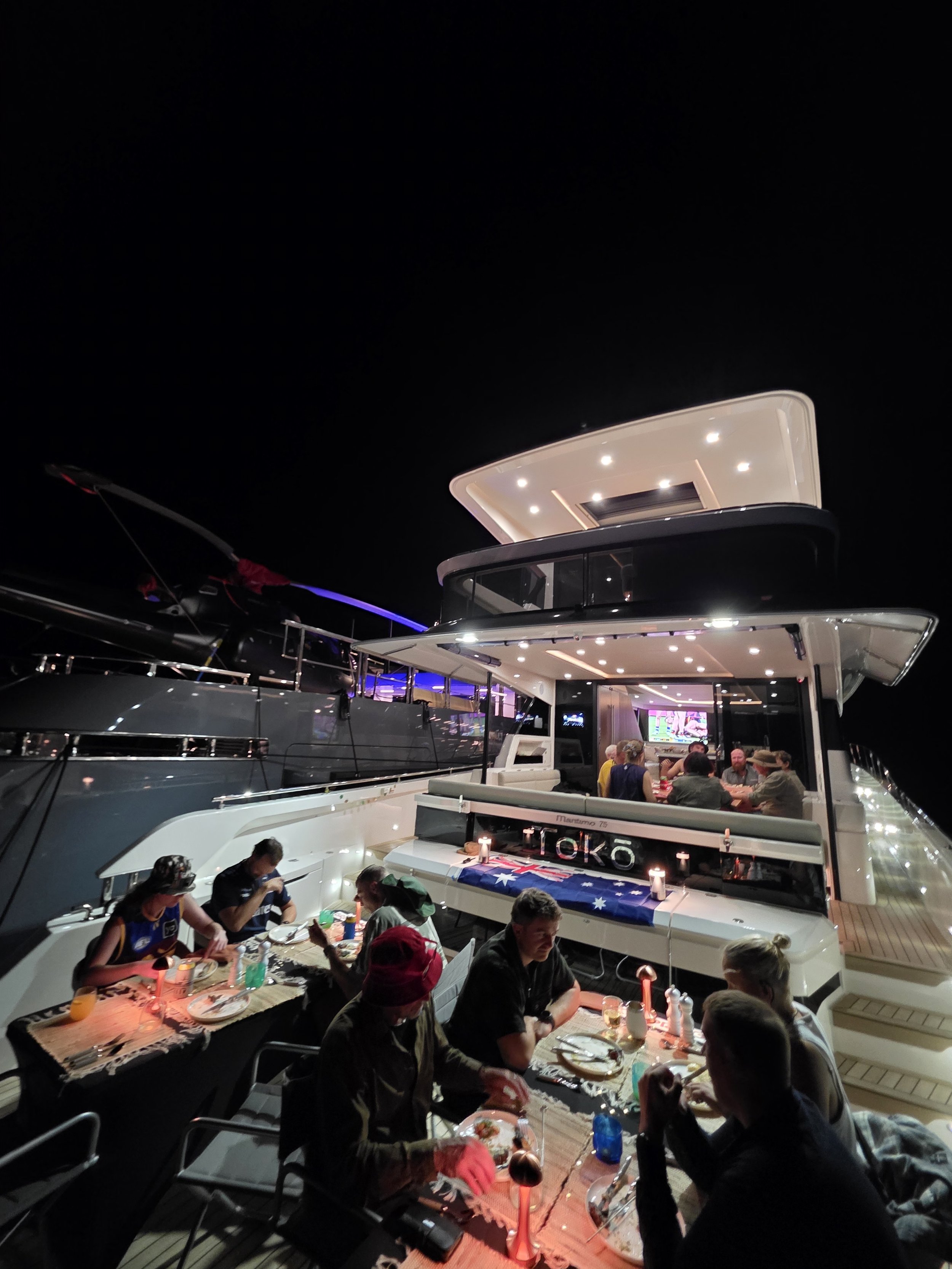
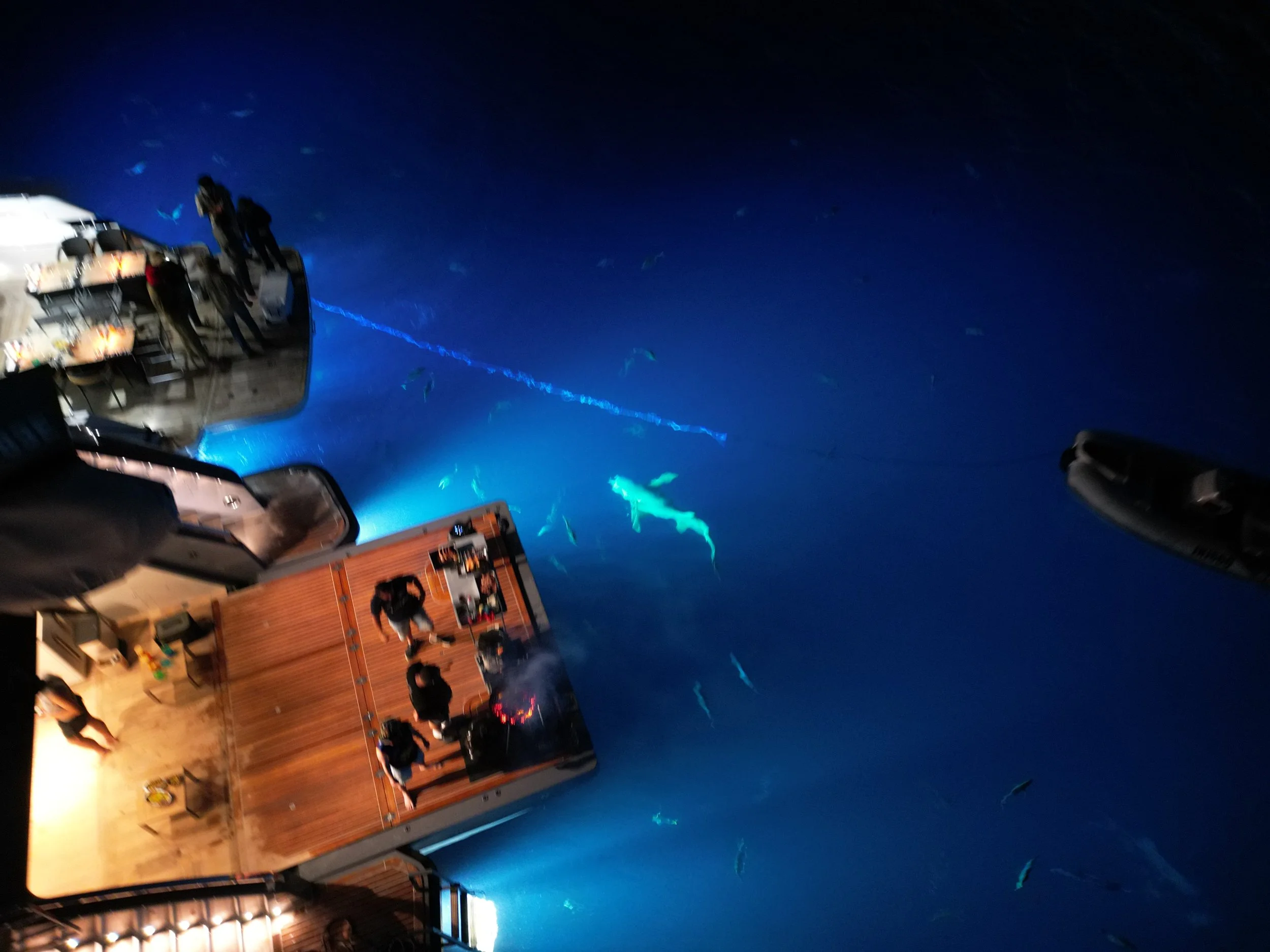
Lizard Island sits inside the Great Barrier Reef’s protected marine park and, with fishing largely off-limits around the island, marine life is abundant. After dark, all seventeen guests and crew sat down to a waterline dinner on Tokō’s aft deck while sharks, giant groupers and shoals of trevally circled in the underwater lights.
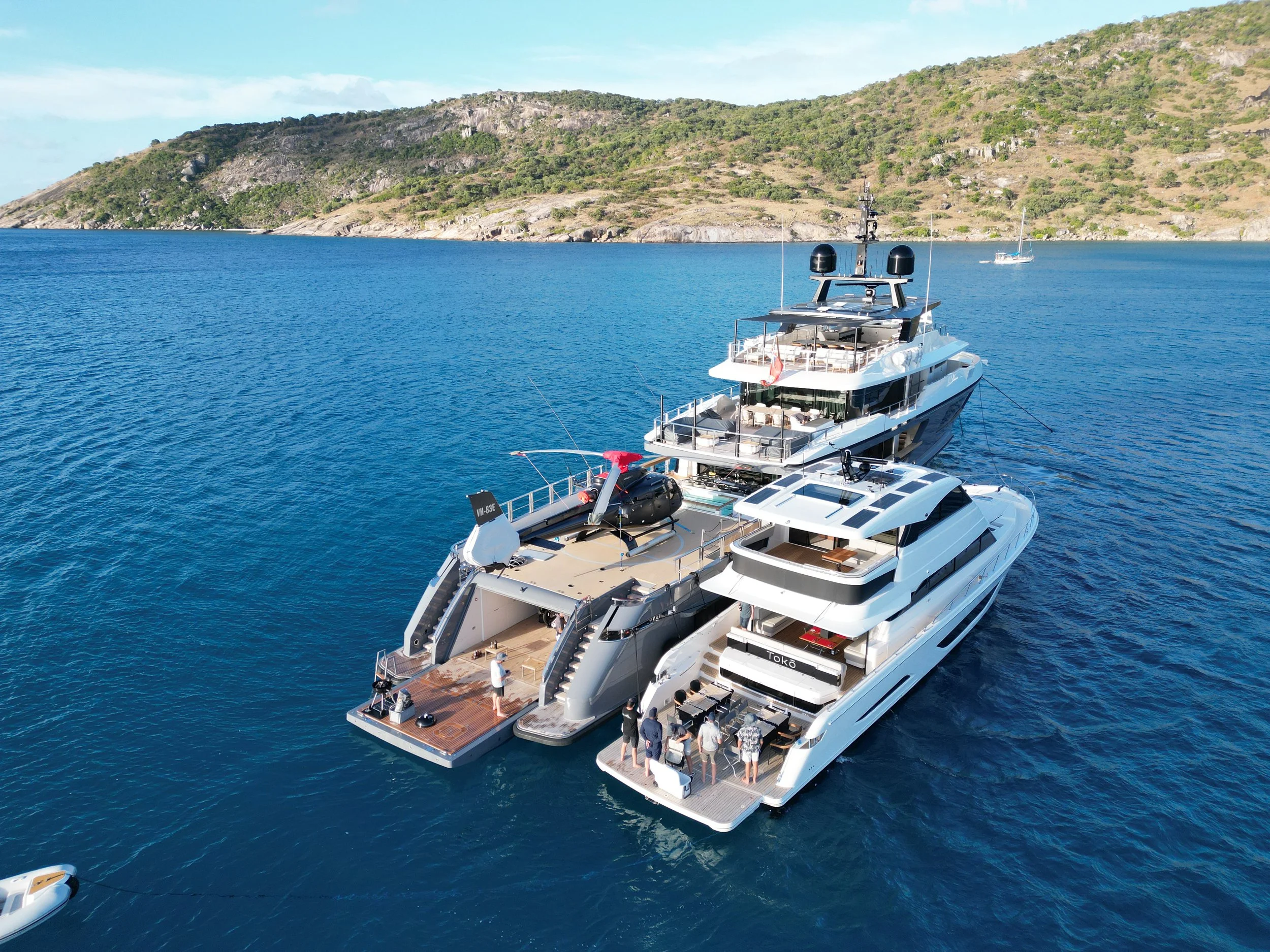
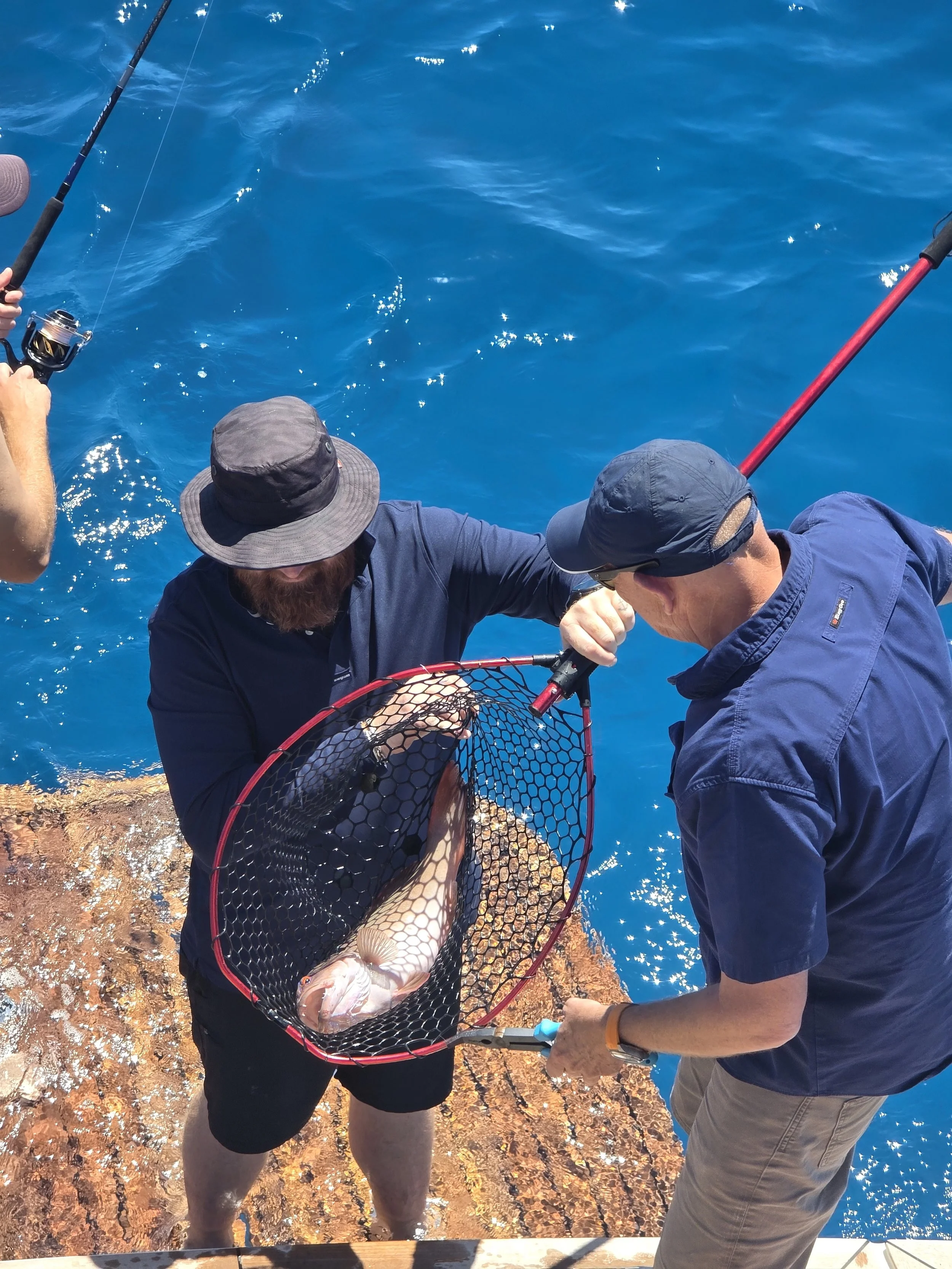
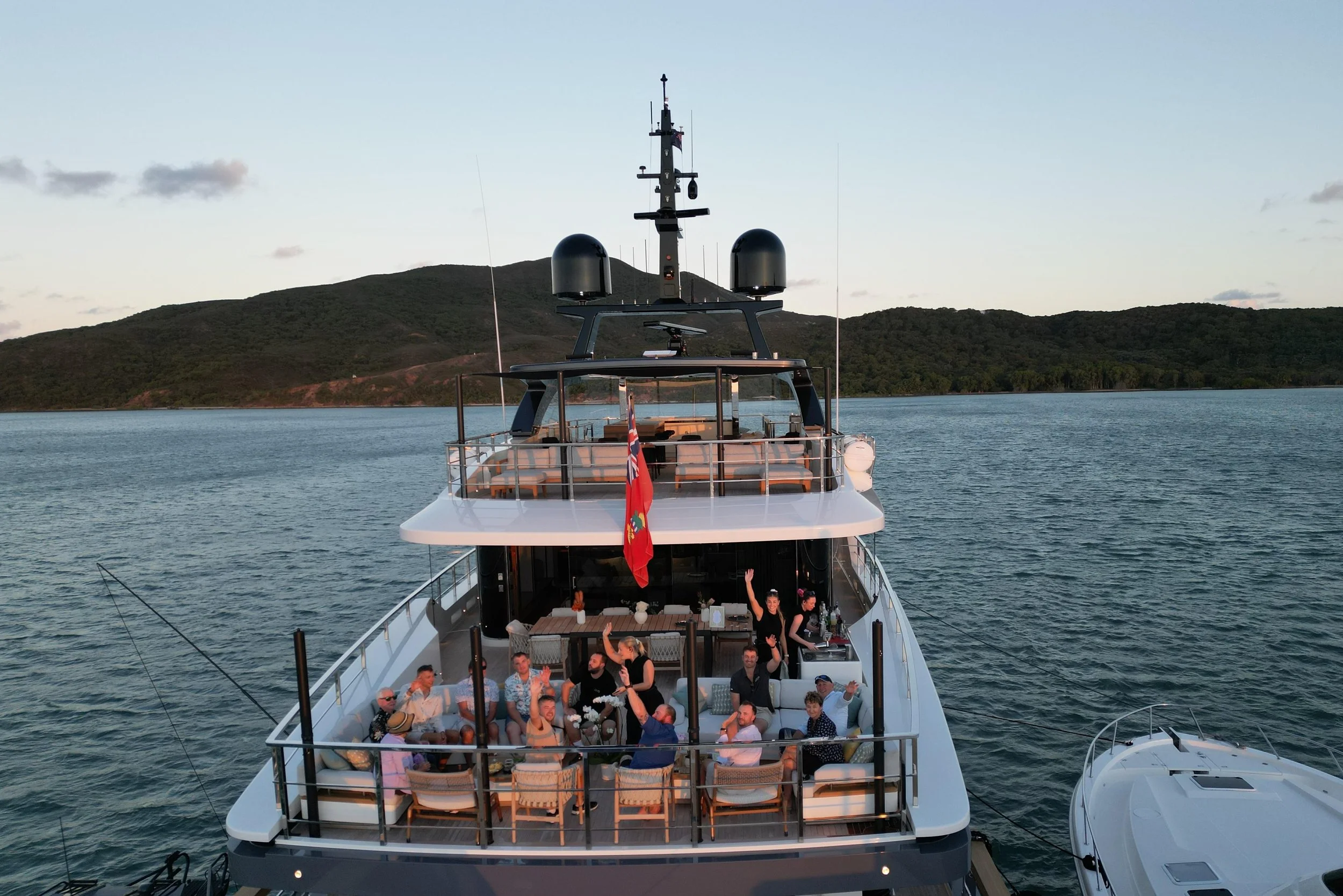
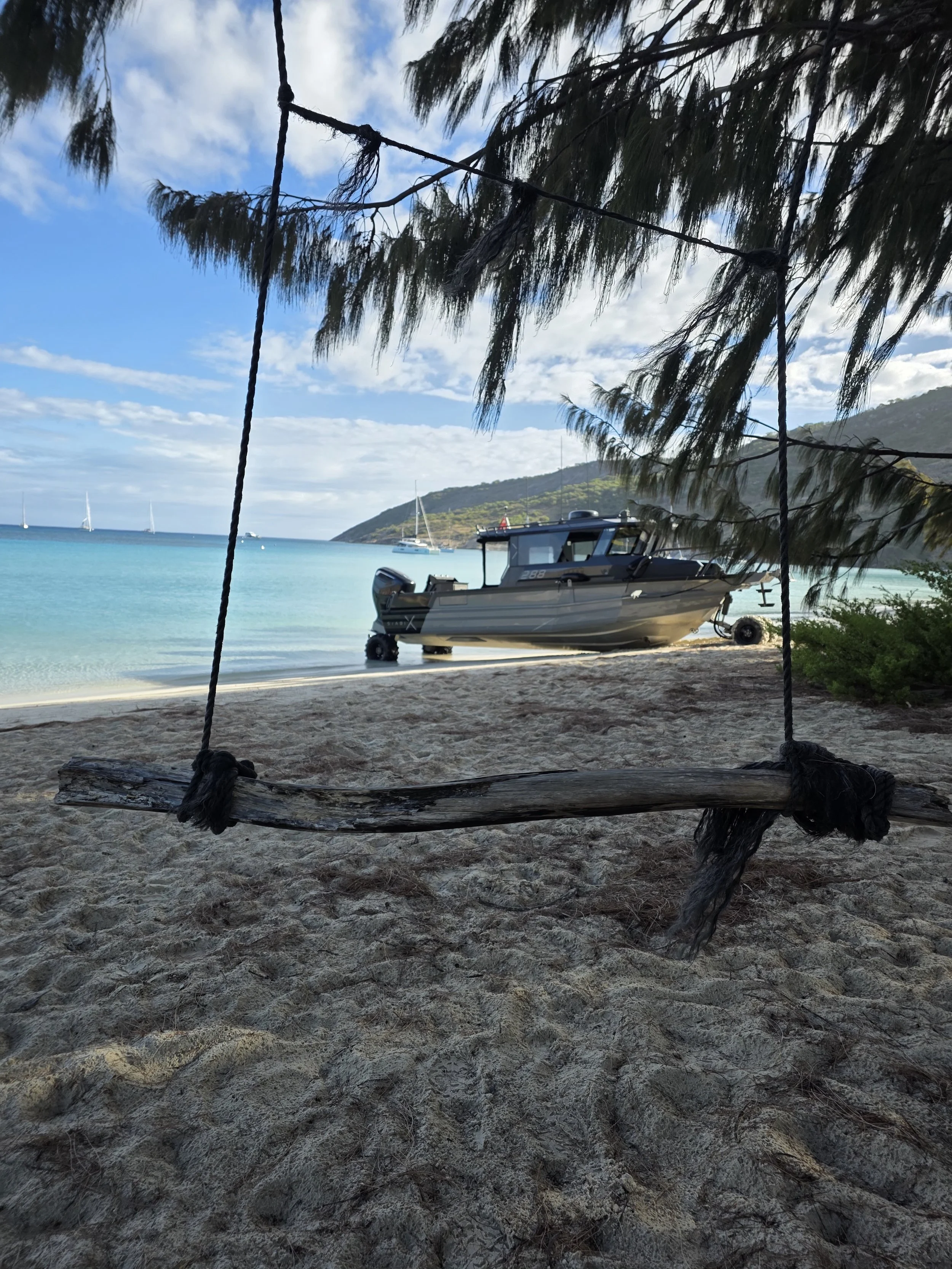
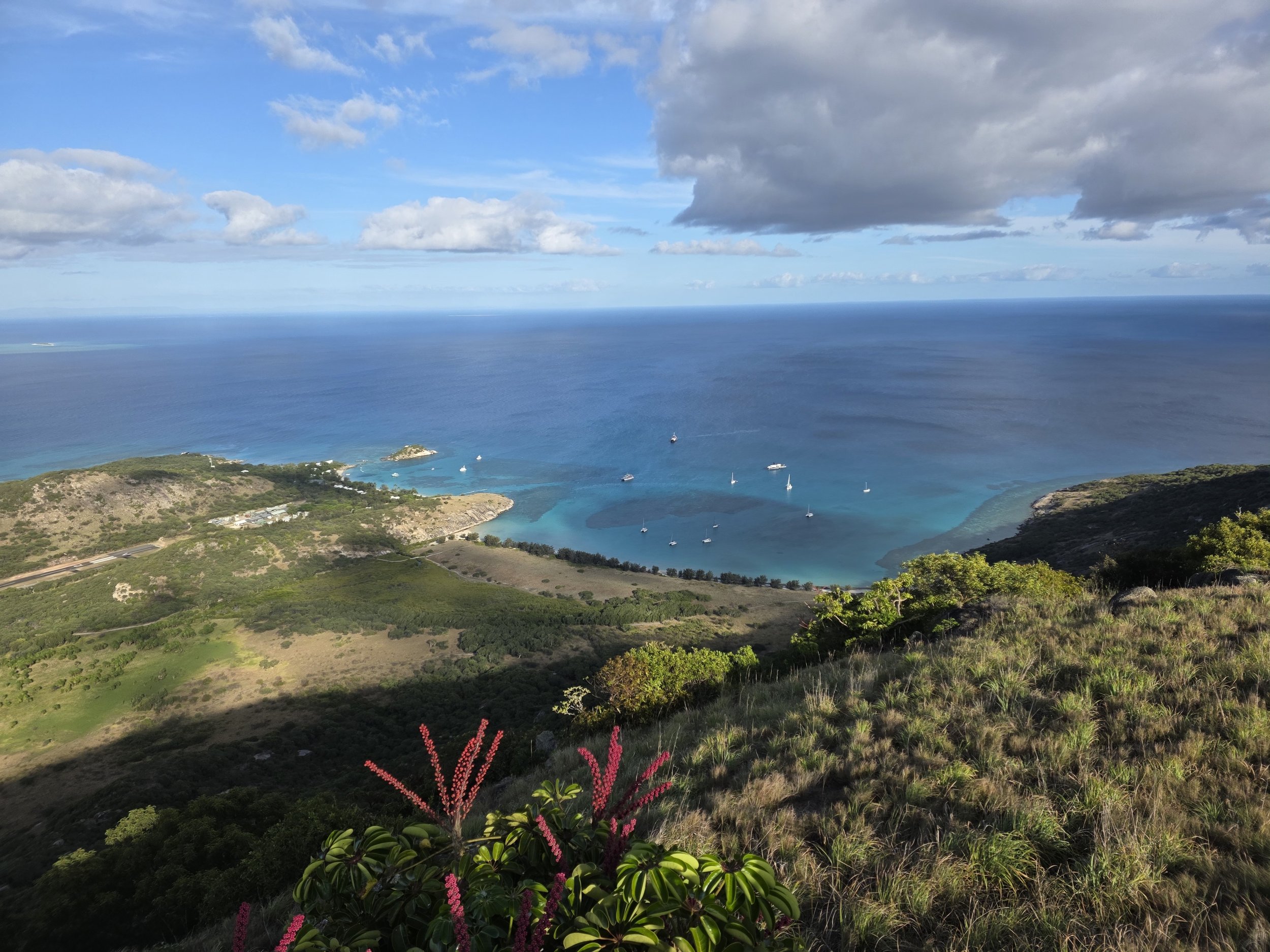
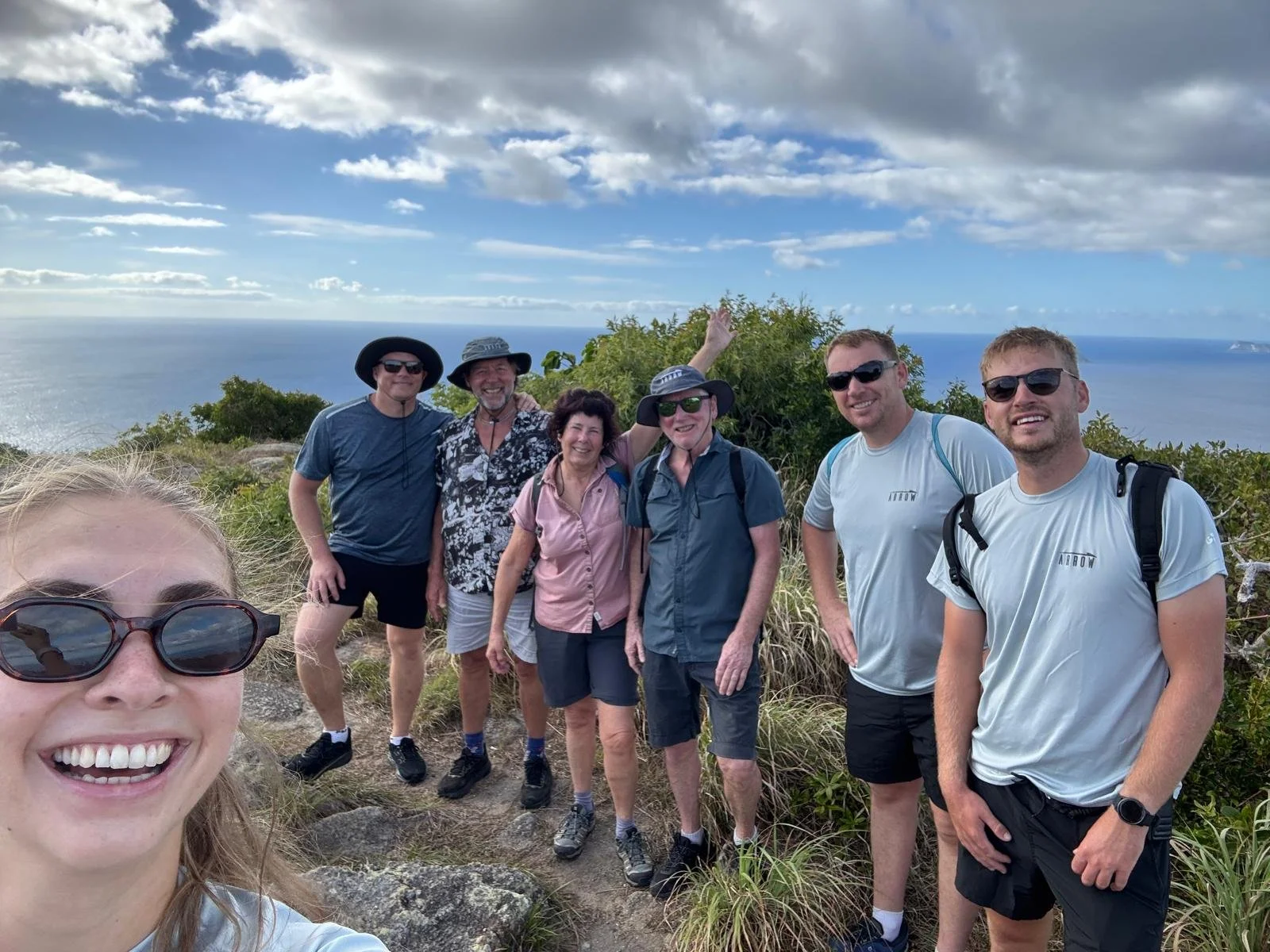
The following day, Tokō took everyone to the reef’s outer edge for snorkelling over coral gardens and some drift-fishing over the bommies. A scramble up Cook’s Lookout, the peak Captain Cook climbed to find a way out after weeks hemmed in by the reef, revealed blue lagoons in every direction. Pizza and darts on the sun deck saw Lizard Island off in style.
At Flinders Island, the humble tinny was launched on a quest for mud crabs. Bets were placed on whether more pots would be lost than crabs caught, and the first haul came up pointedly empty. A bait run in the tender landed a fine Spanish mackerel for dinner and a giant trevally for the pots. This did the trick: the next high tide produced a single, large mud crab.
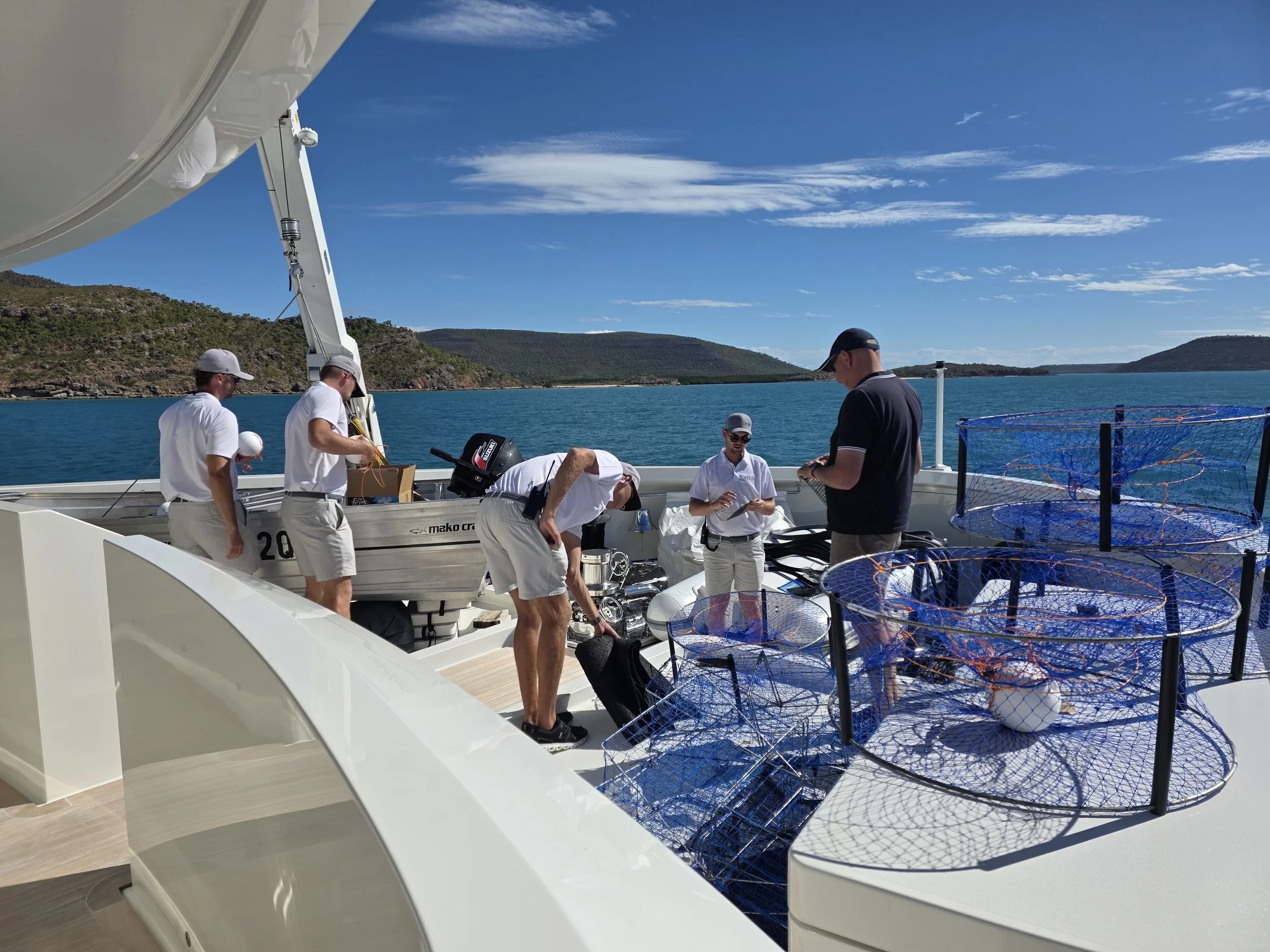
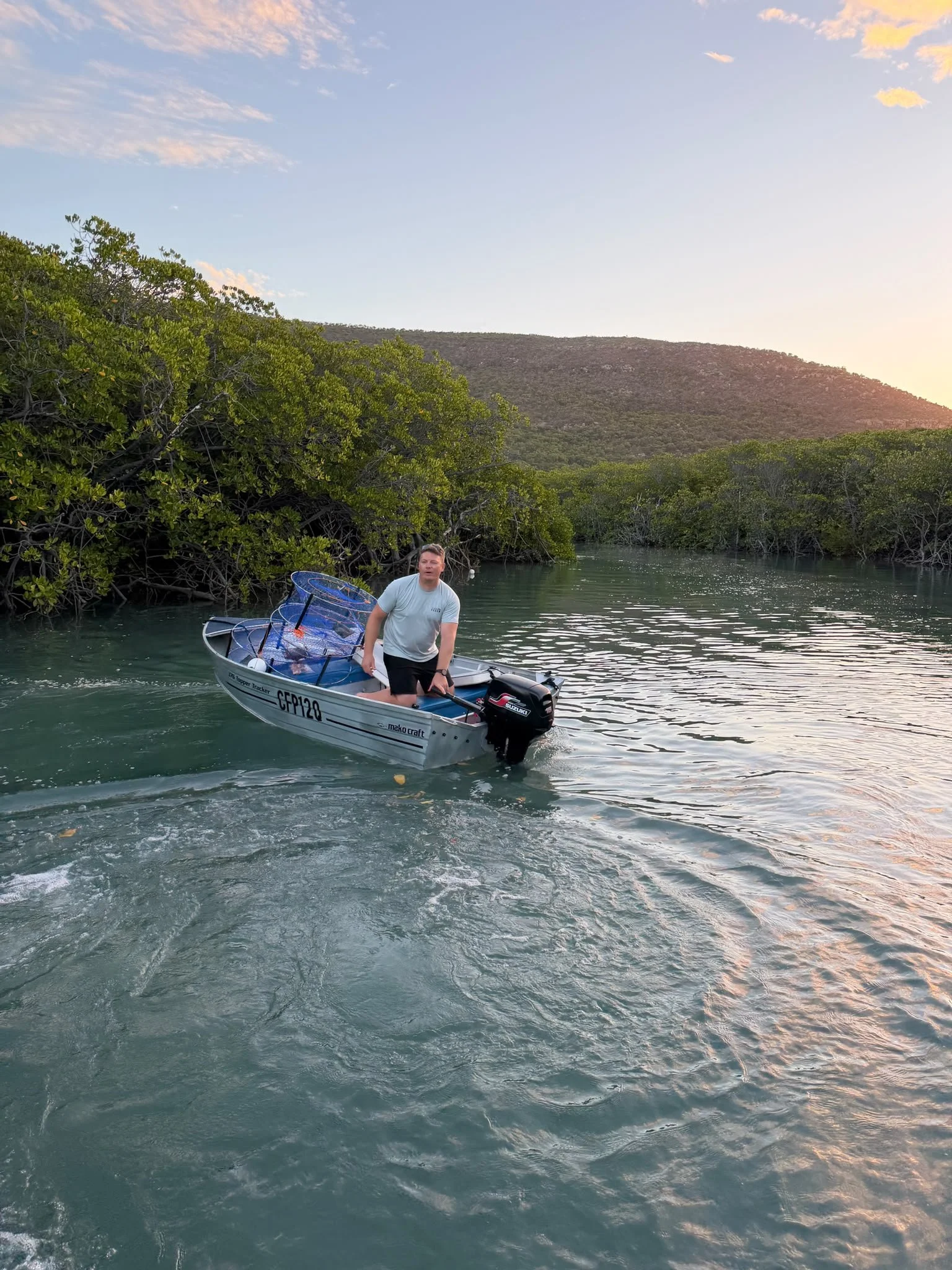
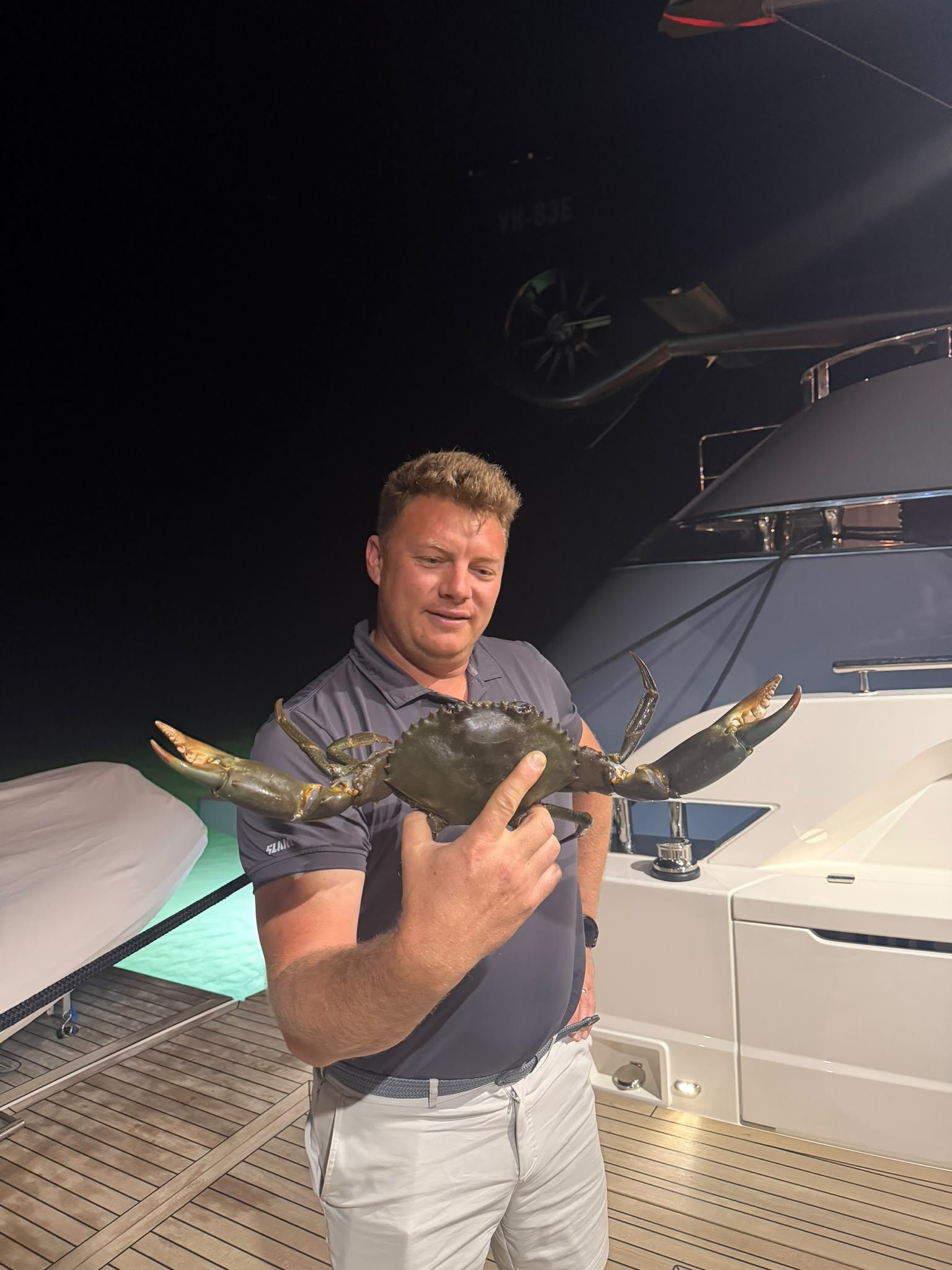
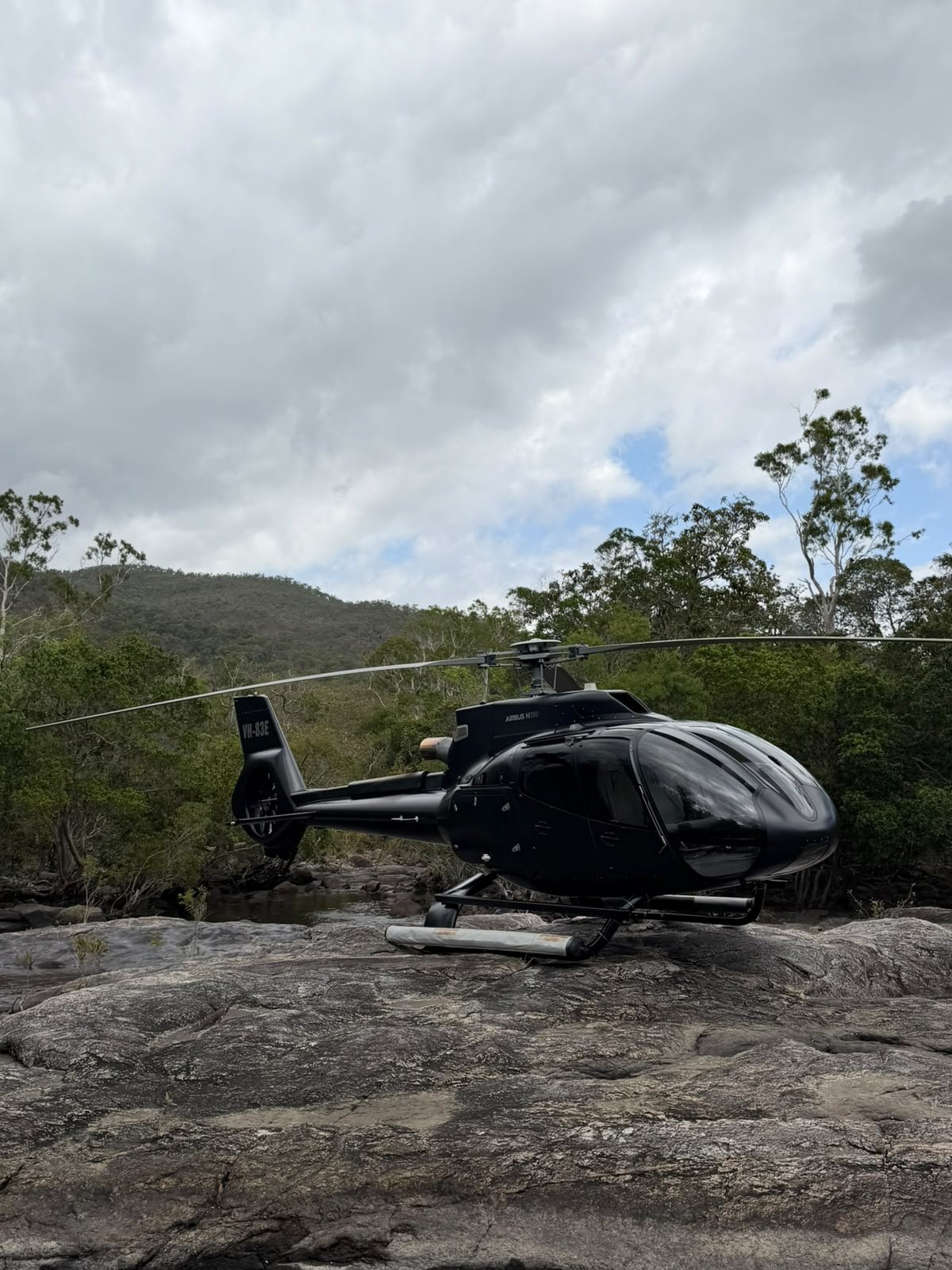
An unplanned detour followed, with Arrow and Tokō running 70 miles north to Night Island while the guests flew the scenic route, including a precarious waterfall landing where Roland ended up propping the skids level with loose rocks. Back at the anchorage, with the wind gusting 35 knots, it took every fender onboard to keep the two rafted boats apart overnight.
Cape York
Arrow cruised on to Portland Roads. The tide was too low to get the tender across the reef, so the helicopter made the shortest flight of the trip: a few hundred metres to a quarry landing pad, where the café owner collected everyone in his Land Cruiser. The café serves prawns straight off the owner’s boat alongside scallops, Moreton Bay bugs and crisp battered fish, all with a view across the water to Arrow at anchor. It turned out to be one of the trip's great surprises.
Not everything went to plan. The relentless southeast trades closed off anchorage after anchorage around Albany Island, forcing a longer run round the tip of Cape York. With the helicopter grounded by weather and taking up the deck space, the tender stayed under tow in a building sea state, making for the trip's tensest few hours.
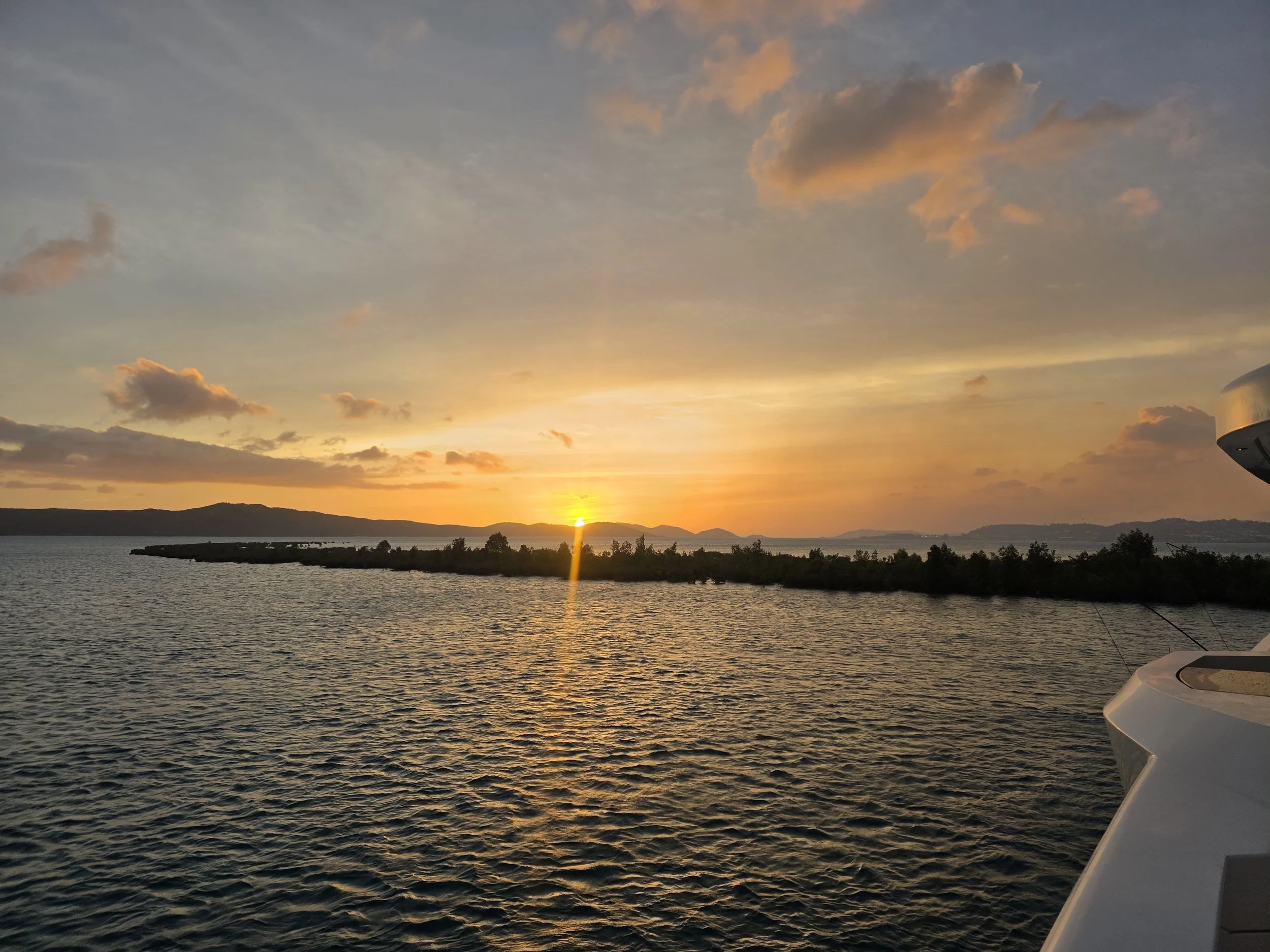
Arrow finally rounded the top of Australia and dropped anchor in flat water off Possession Island just as the sun went down.
Torres Strait
Thursday Island was a logistical stop. While the guests lunched at The Grand Hotel, the crew emptied the local shop to stock up for both boats.
The following day, as the guests toured the northern peninsula by air, Arrow navigated the sandbar to Horn Island, turning head to wind just in time for the helicopter to land. Horn Island also brought new guests ahead of a milestone in the trip: Roland’s 60th birthday.
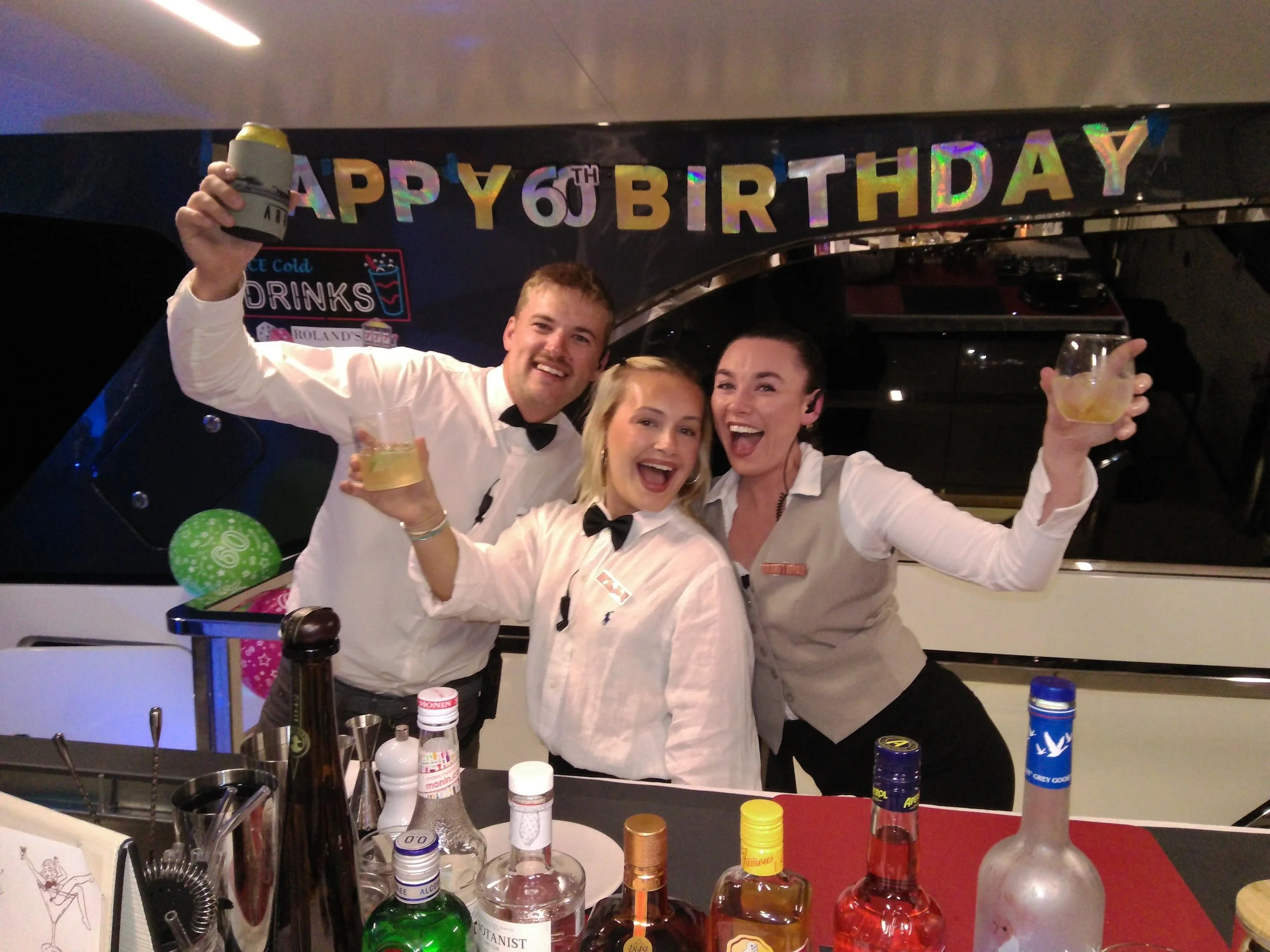
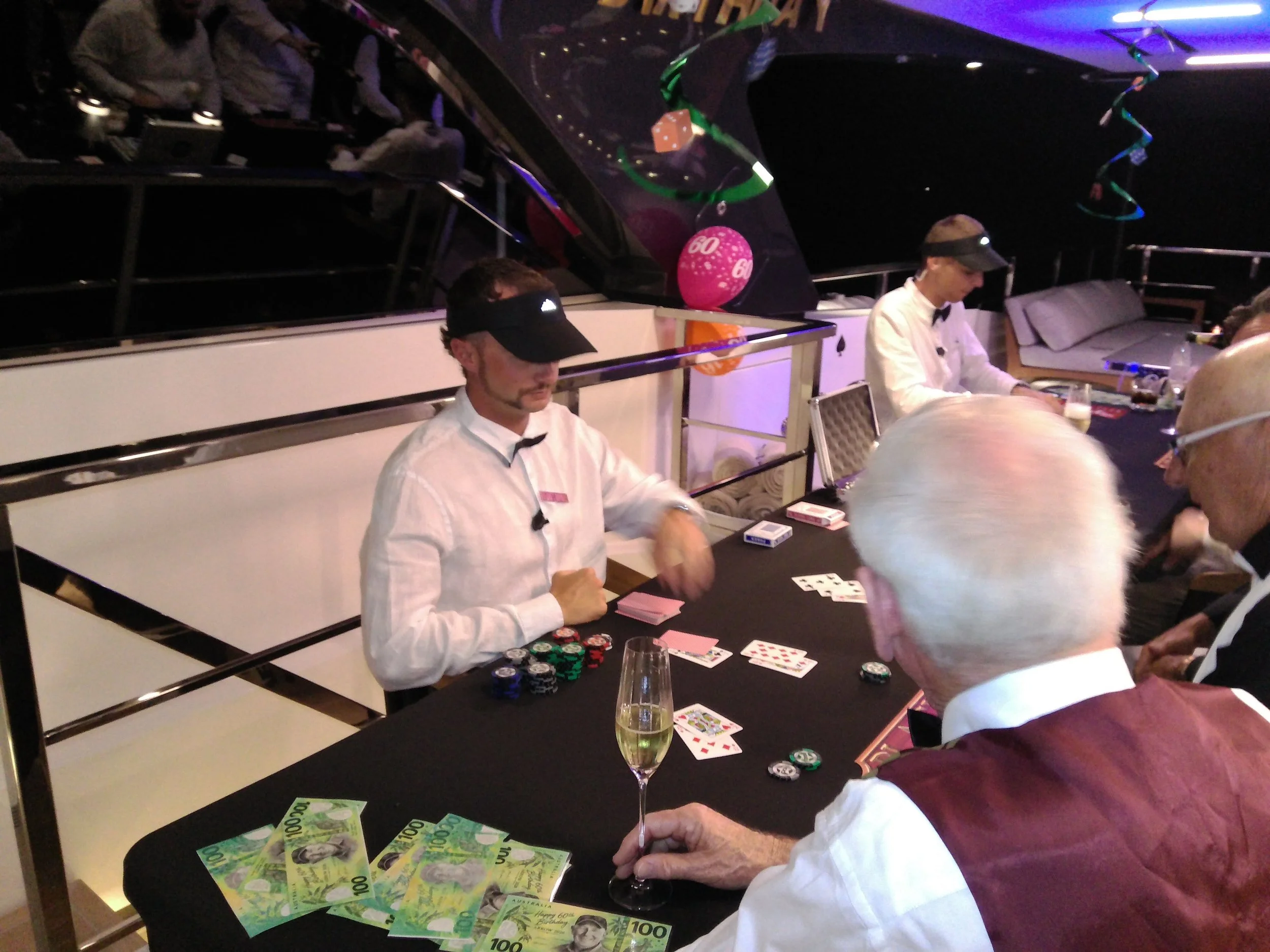
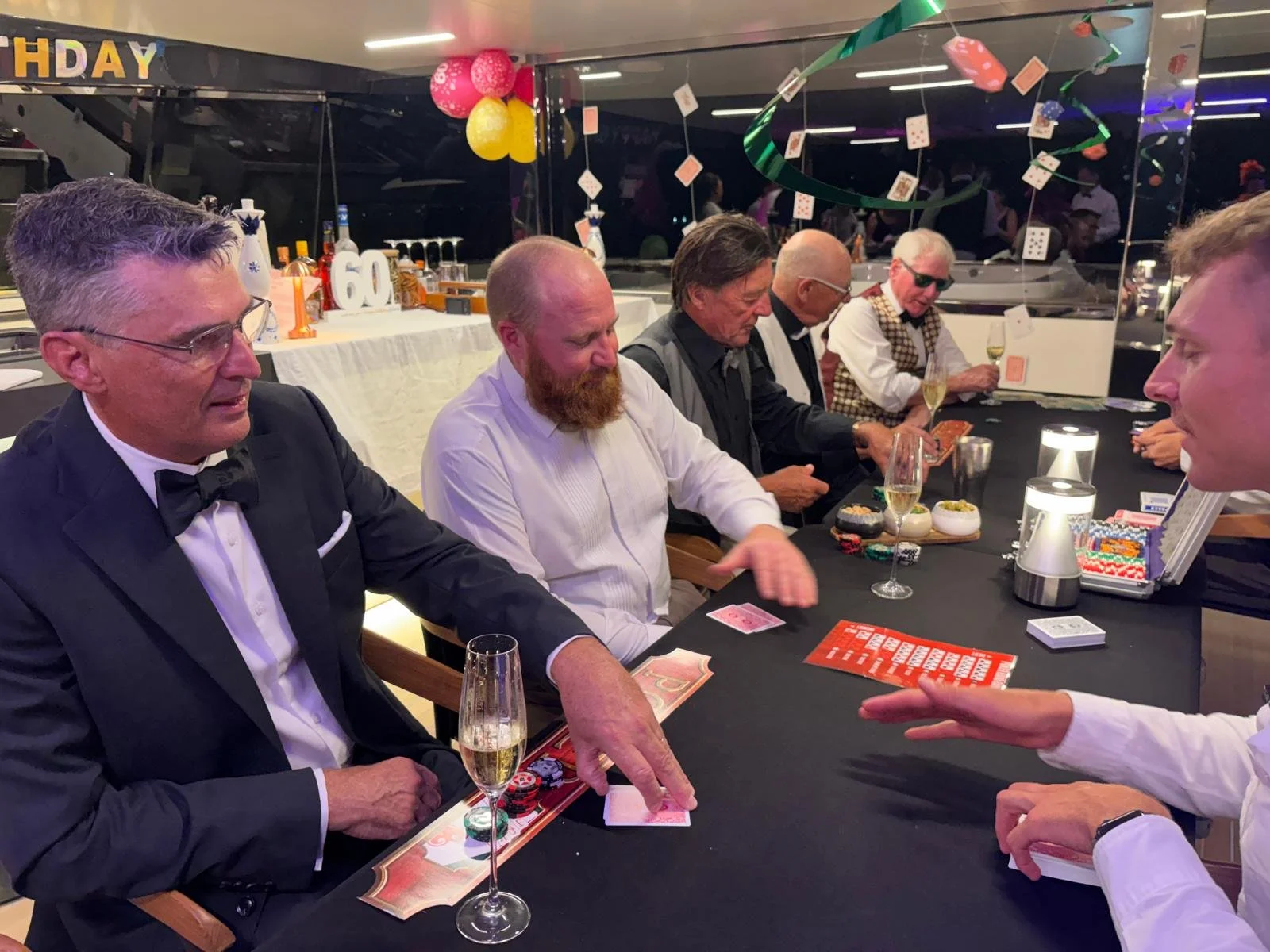
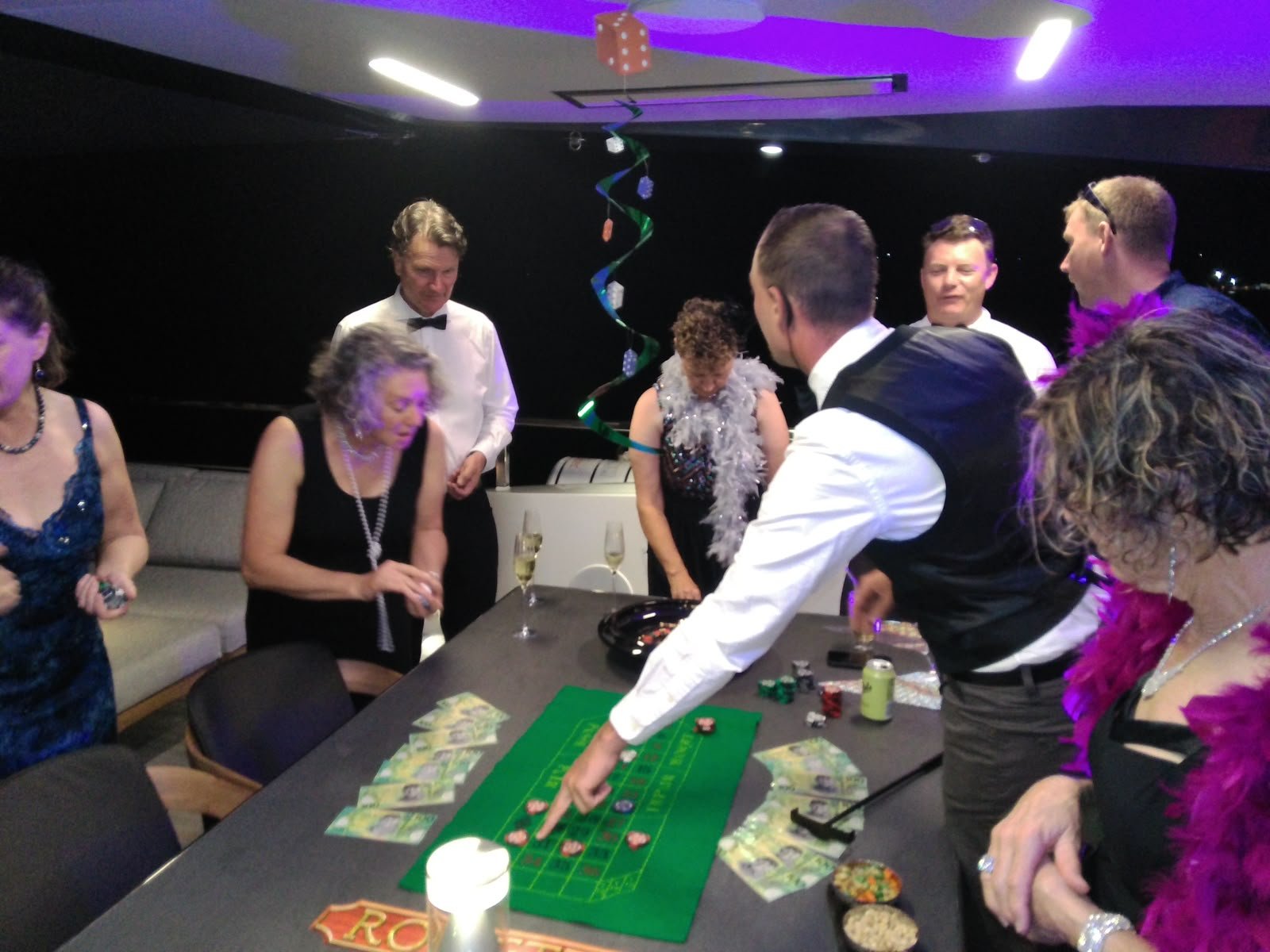
The big day began with fishing and a 14-course Japanese-themed lunch aboard Tokō. In the evening, Arrow’s sun deck was transformed into ‘Roland's Royale’, complete with roulette, blackjack and poker tables.
Arnhem Land
With the celebrations behind them, the guests set off on a two-day, 1,000-mile helicopter safari around the Gulf of Carpentaria, fishing riverside for barramundi and camping under the stars.
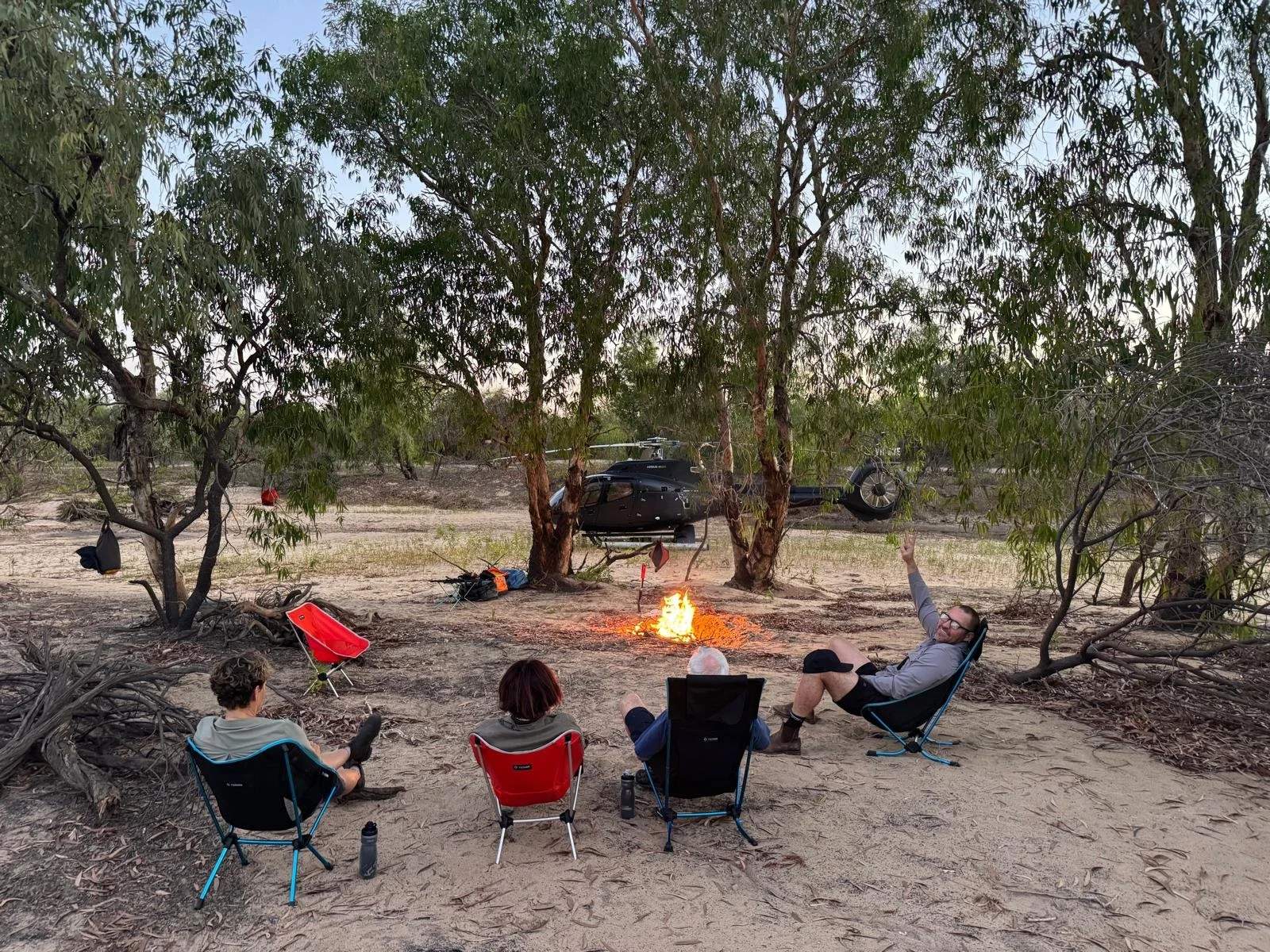
Arrow and Tokō, meanwhile, made the 28-hour crossing to Wigram Island on the edge of Arnhem Land. When the two parties reunited, it was the flyers who were most in need of a cold beer and a hot shower.
A scouting flight over the Wessel Islands uncovered the Hole in the Wall, a narrow cut where the tide can rip through at up to eight knots, passable only at slack water. Arrow, Tokō and the tender went through at exactly the right moment. On the far side, all three boats fell into formation, with the helicopter hovering between them for a James Bond-esque drone shot.
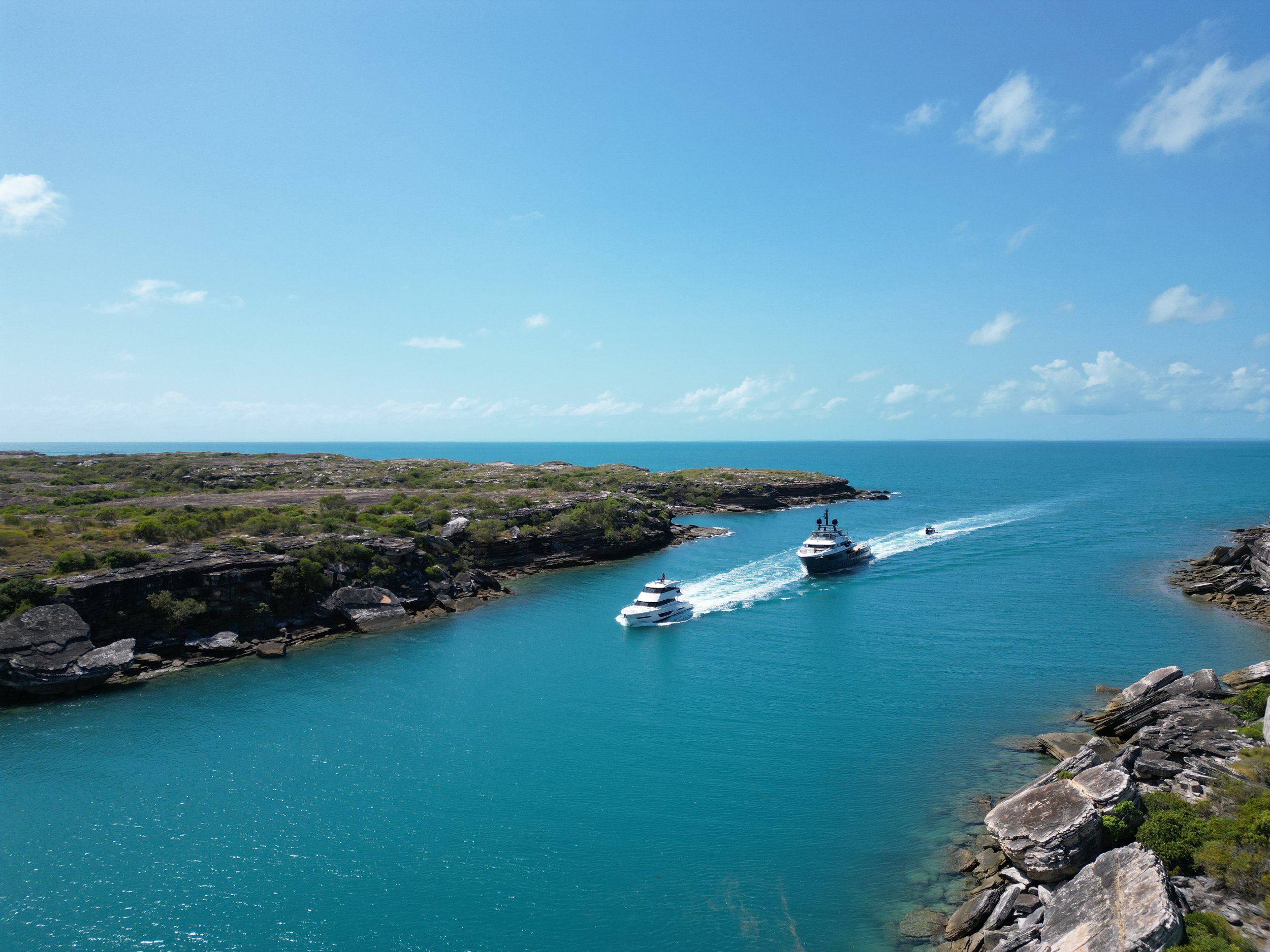
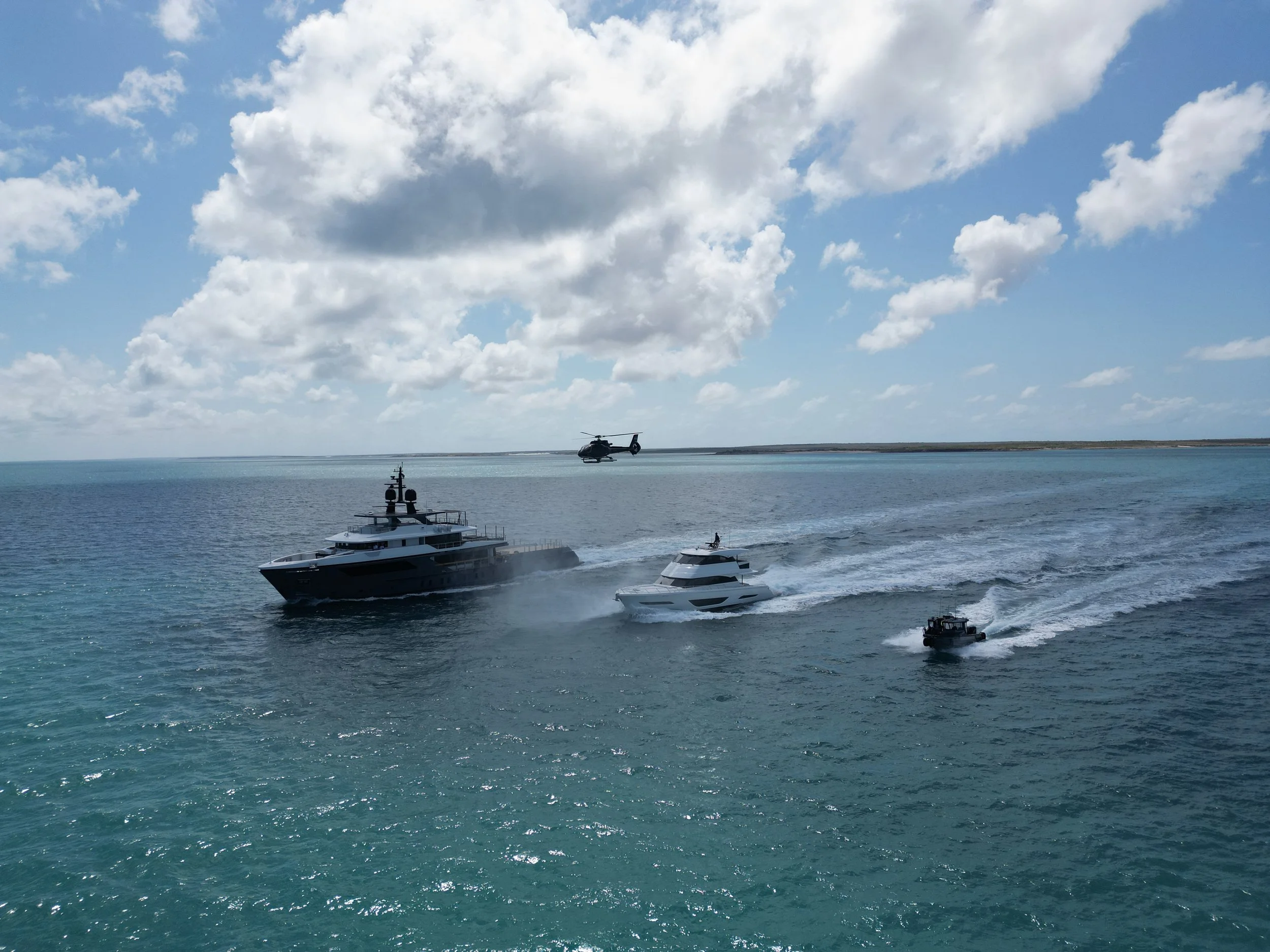
The Wessels are about as remote as it gets and offered arguably the trip’s best anchorage: clear water and empty beaches as far as the eye could see. The mud crabs, meanwhile, had the last laugh again and the pots came up empty.
Arrow departed the Wessels at 2am under a bright moon for a 180-mile push towards Darwin. After breakfast, the helicopter peeled off to tour Arnhem Land, where green wetland stretched for miles and water buffalo scattered beneath the rotors. A riverside fishing hole produced more than 25 barramundi (every one of them caught and released) in what was declared the best day’s fishing any of the group had ever had.
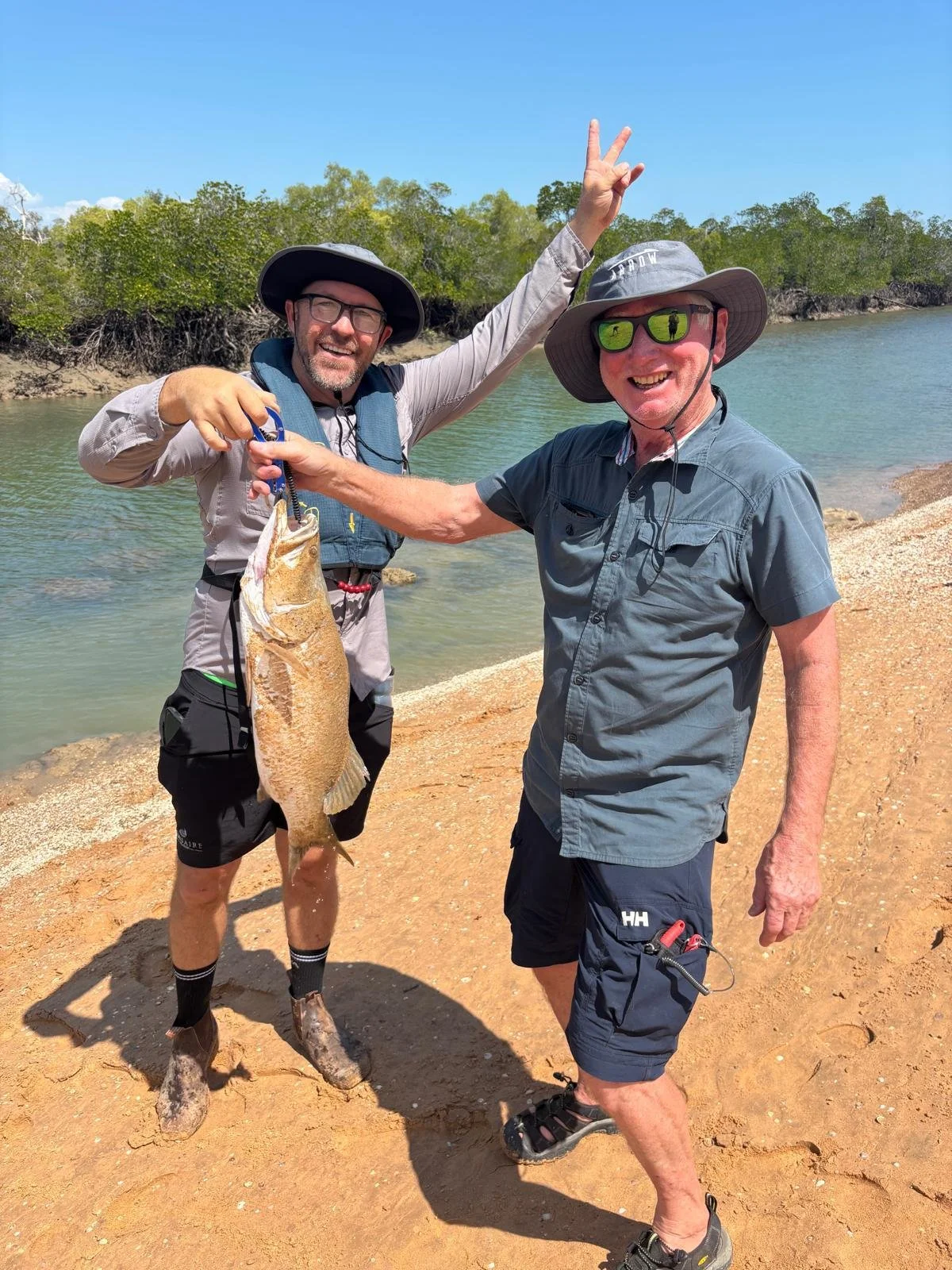
Another landing on deck while underway brought the helicopter safely home, and the day ended at South Goulburn Island with crumbed coral trout and Spanish mackerel for dinner.
Darwin
The last leg into Darwin was a race against the clock. With seven-metre tides running, Arrow left at 5am, determined to be settled for the 2pm kickoff of the AFL Grand Final. The anchor went down with ten minutes to spare.
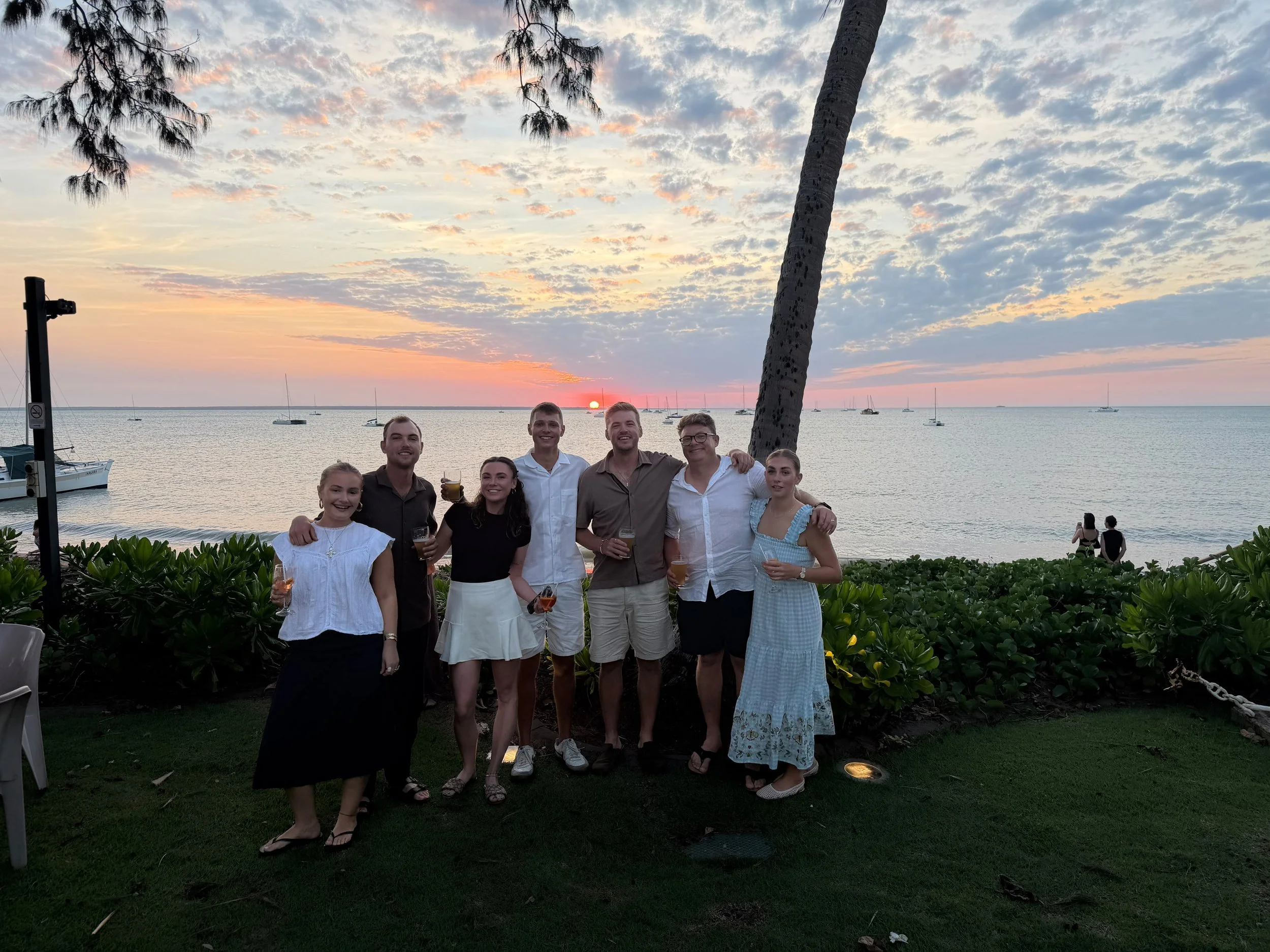
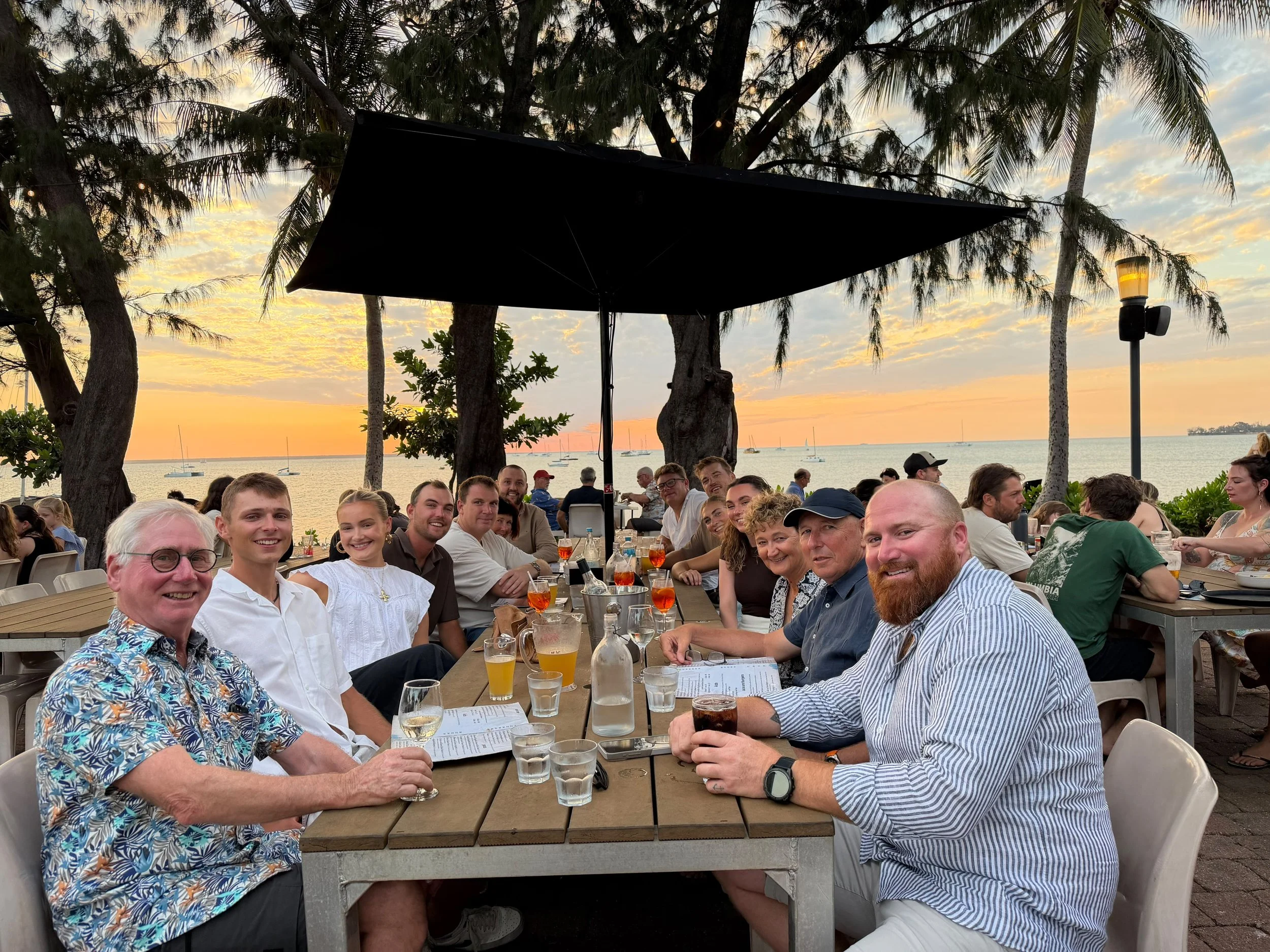
A last meal ashore together at the Darwin Sailing Club, watching the sun go down, kept spirits high as four epic weeks across Australia's remote north drew to a close.
From Darwin, Arrow’s next destination is Indonesia.
