Exploring the Pacific’s Last Frontier
Spending a month in the Solomon Islands and Papua New Guinea, Arrow undertook some of her most remote cruising to date.
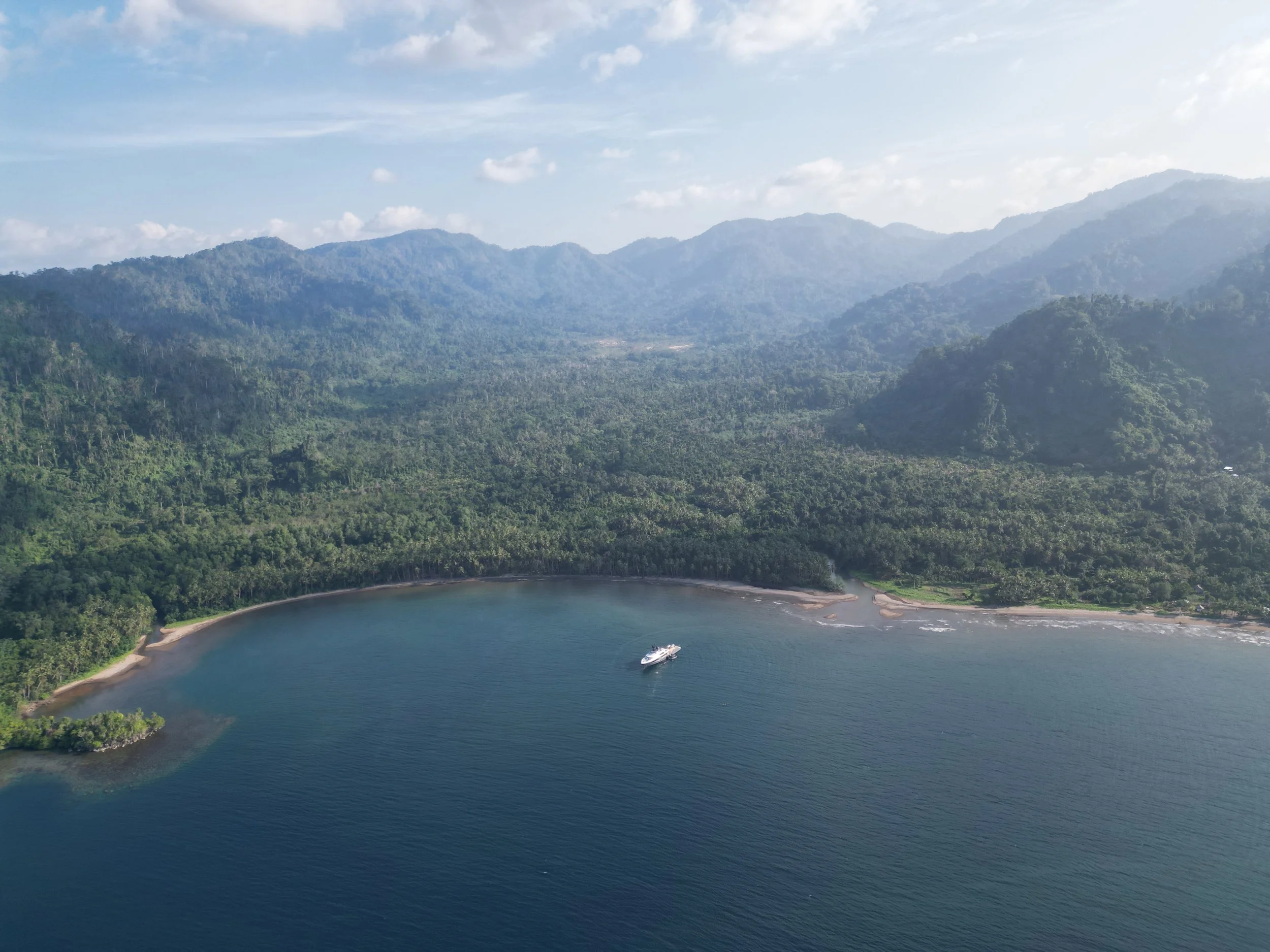
After departing Fiji, Arrow set course for one of the least-visited corners of the South Pacific. With 29 days in the region in June and July, the plan was to complete a broad U-shaped circuit from Honiara through the Solomon Islands to Bougainville, Papua New Guinea, across the Bismarck Sea before finishing in Alotau. It was an ambitious itinerary, but the goal was to experience as much as possible.
Dominated by rugged volcanic islands, dense rainforest and extensive river systems, the Solomon Islands and Papua New Guinea are home to isolated Melanesian communities whose traditions have remained largely unchanged for generations. The region occupies a significant place in history too, serving as one of the Second World War's most important battlegrounds, with wartime relics still scattered throughout the islands.
With very little tourism infrastructure, extra planning was required. Local guides Clem and Killa, additional security and careful coordination with regional specialists Melanesian Yachts were all essential, ensuring every visit was both safe and respectful to the local communities.
Solomon Islands
Guests arrived in the rustic and bustling capital of Honiara before Arrow headed into the islands. The first stop was the sheltered tropical cove of Roderick Dhu Bay, off the western coast of Nggela Sule Island.
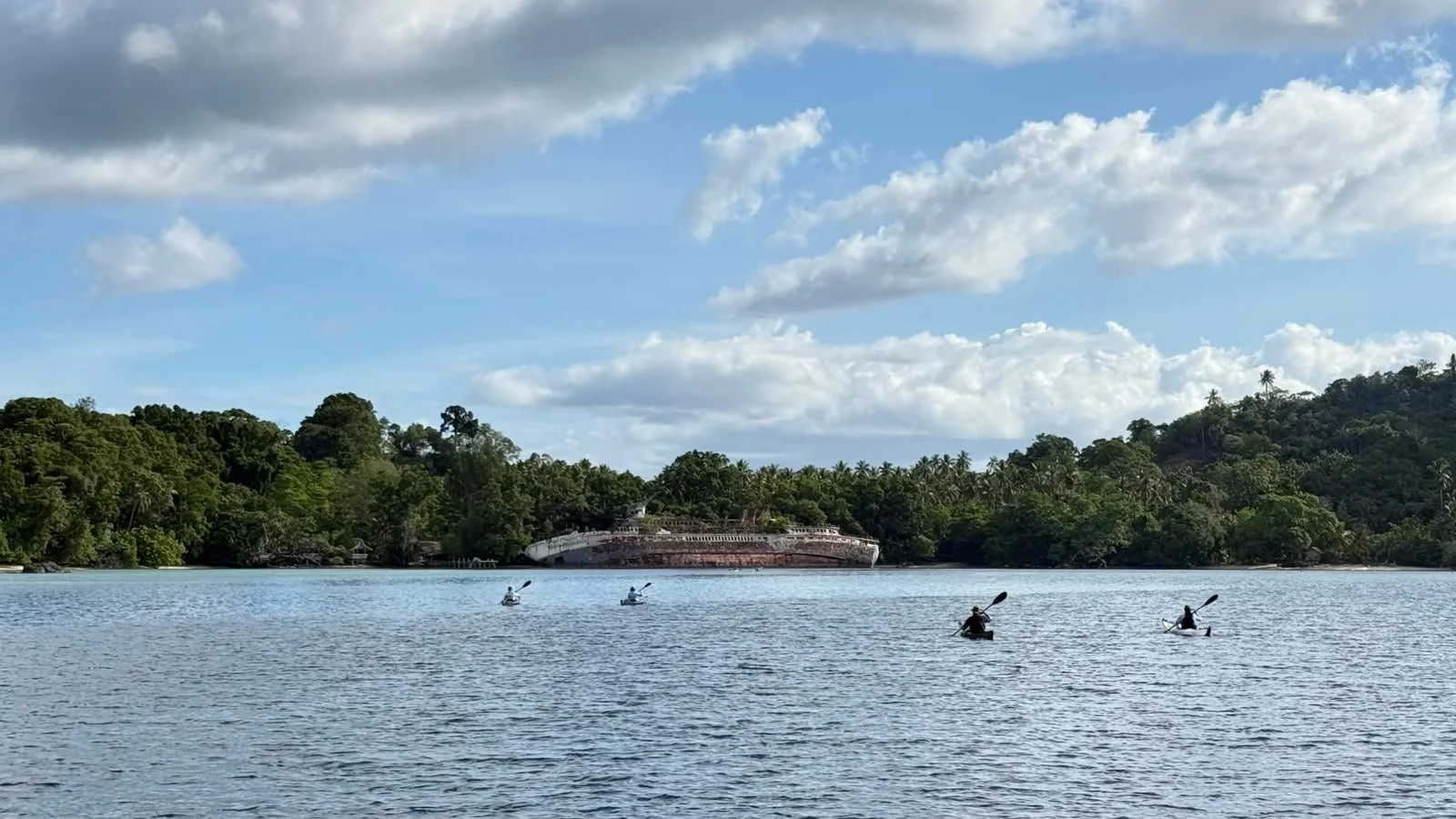
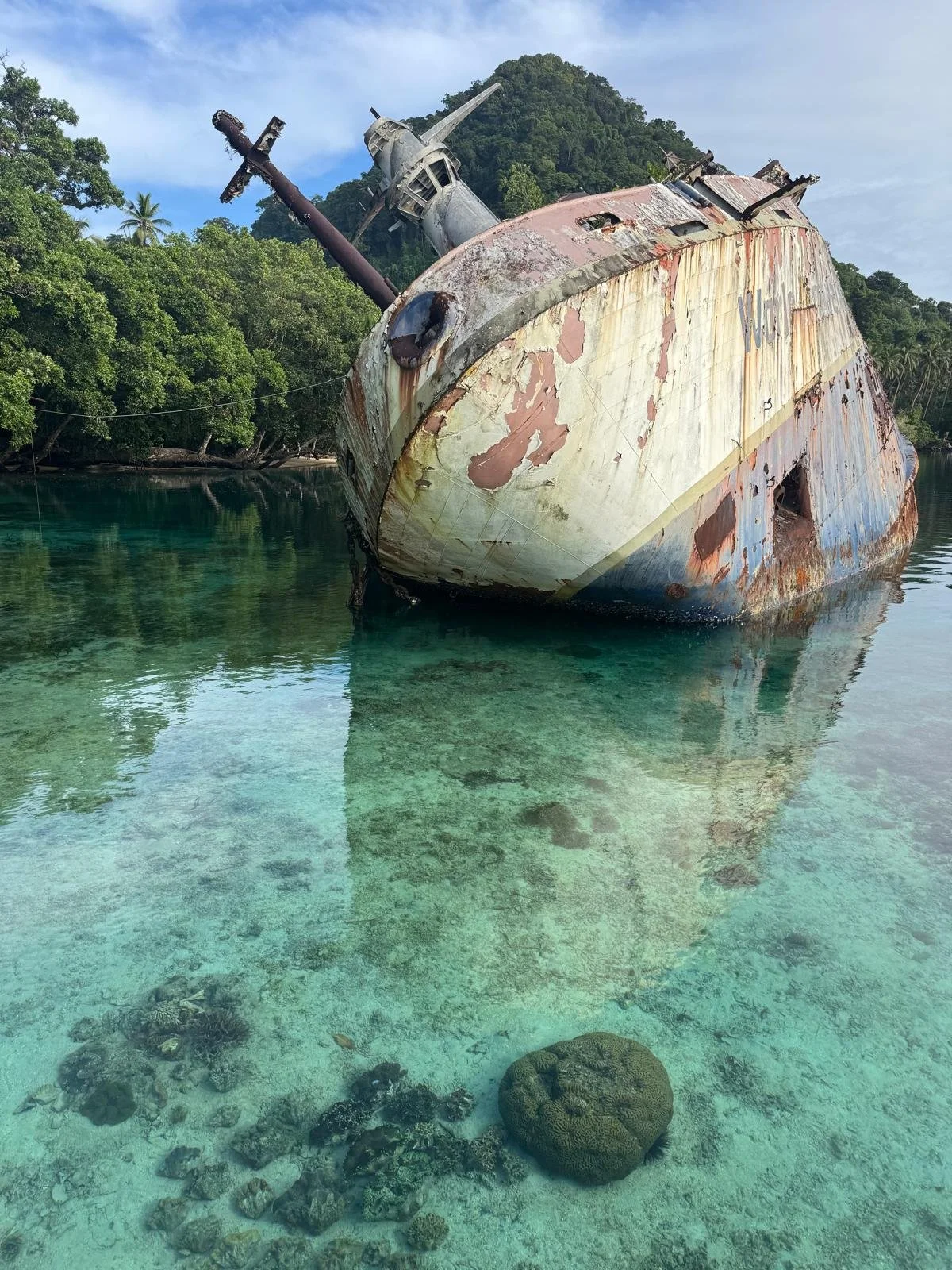
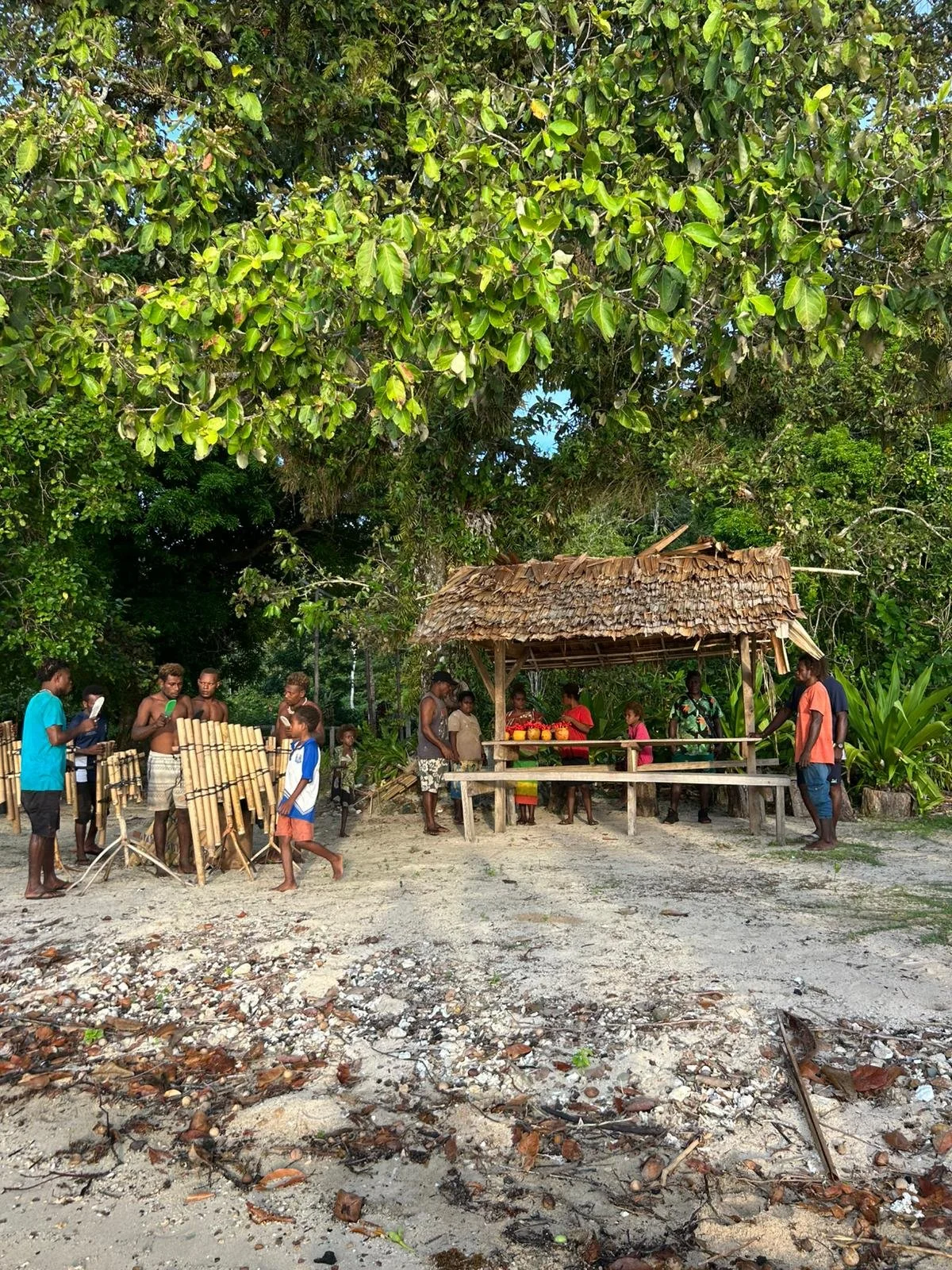
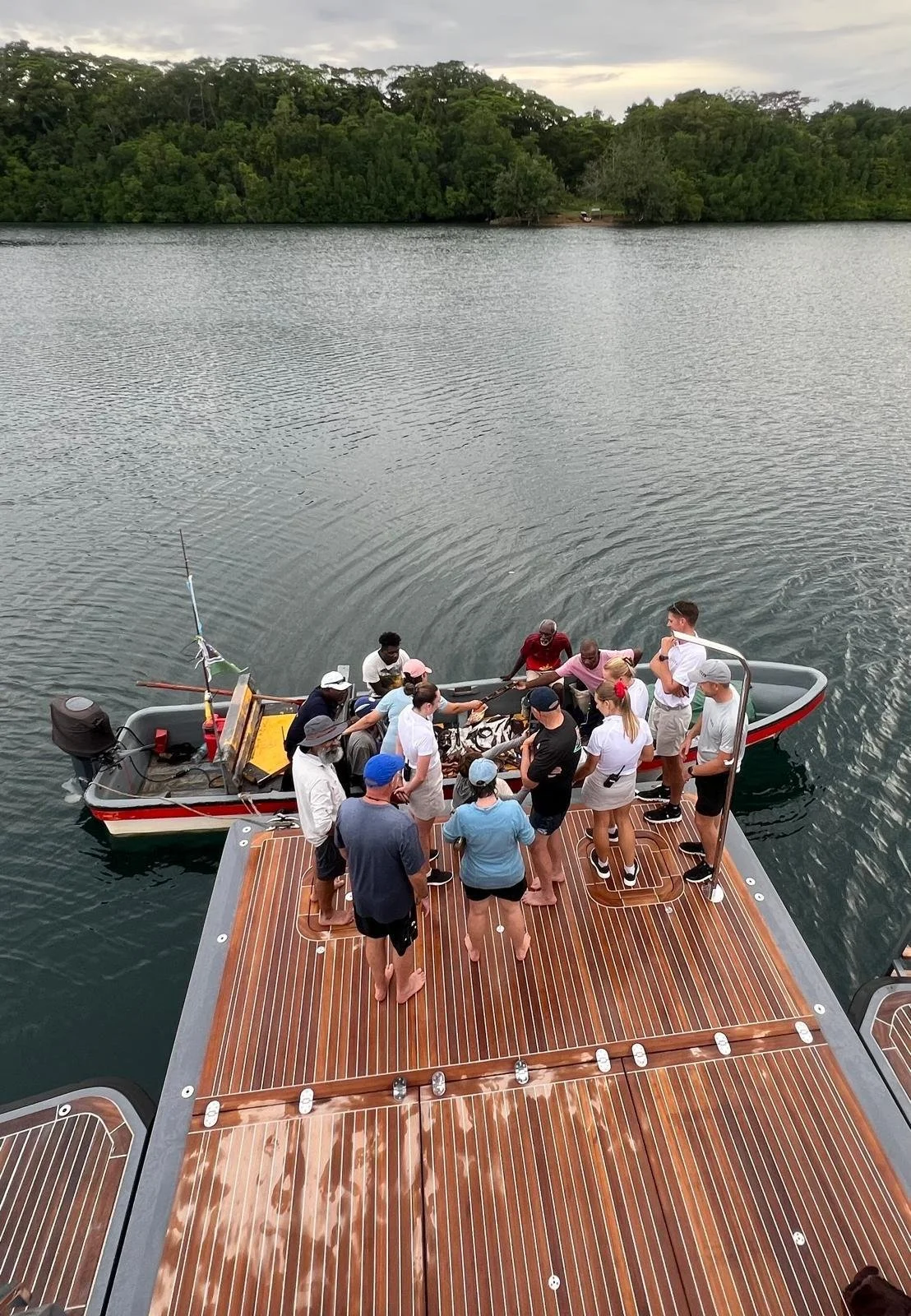
The cove is known as the permanent resting place of the abandoned cruise ship MS World Discoverer, which ran aground in 2000. Its rusting superstructure provided a point of interest for a kayaking expedition on arrival, before the local villagers welcomed everyone ashore the following morning with a traditional ceremony.
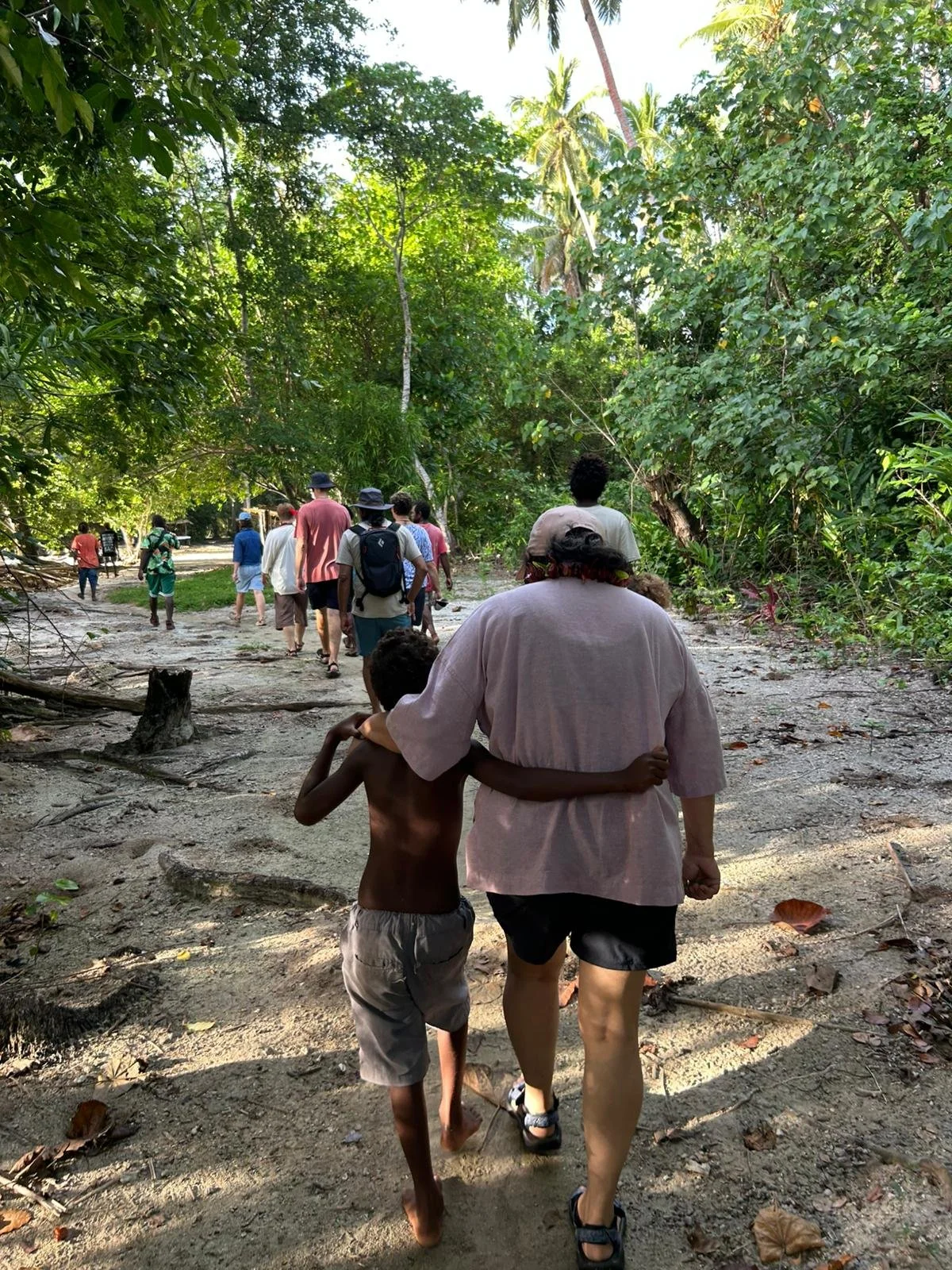
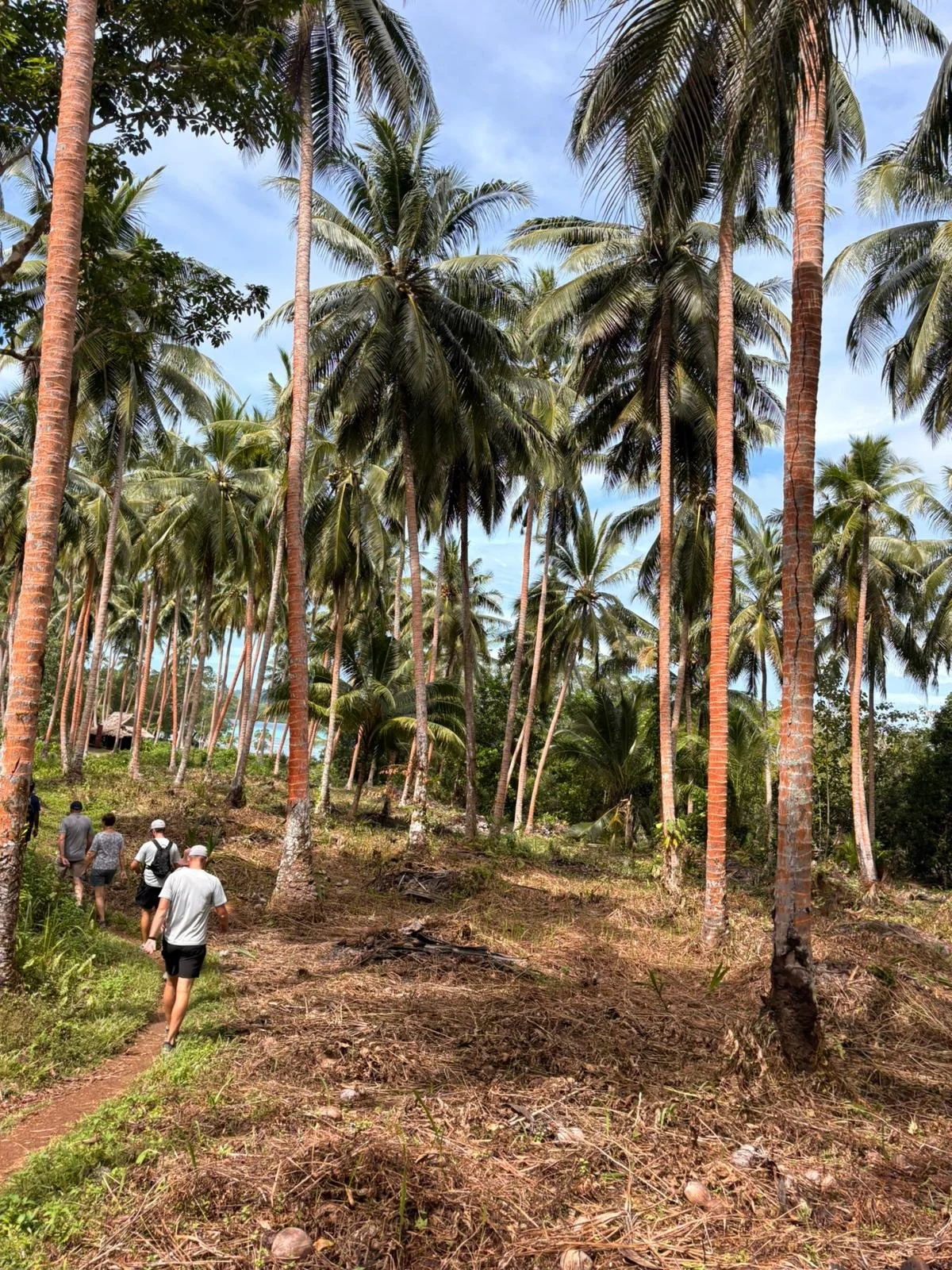
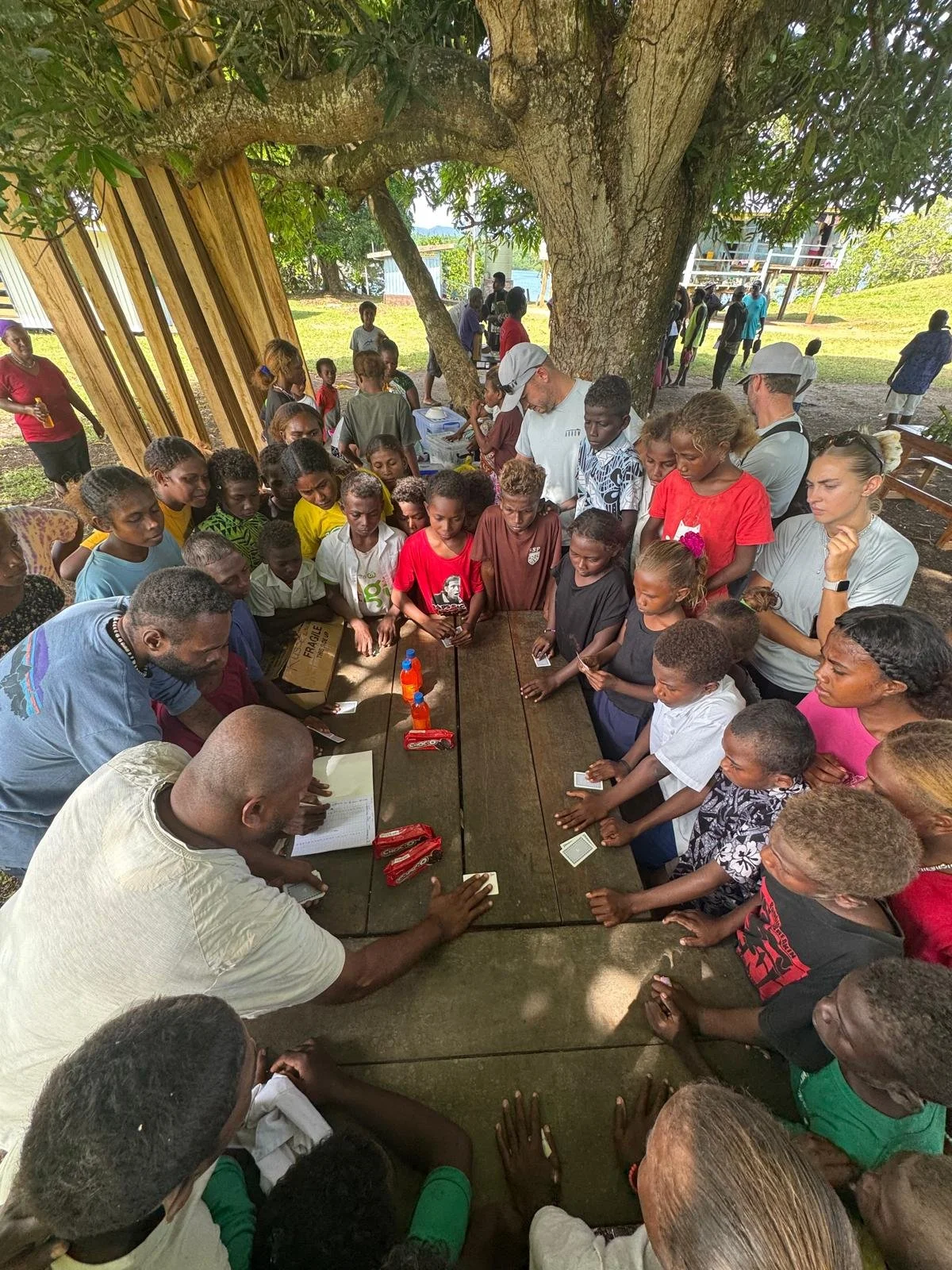
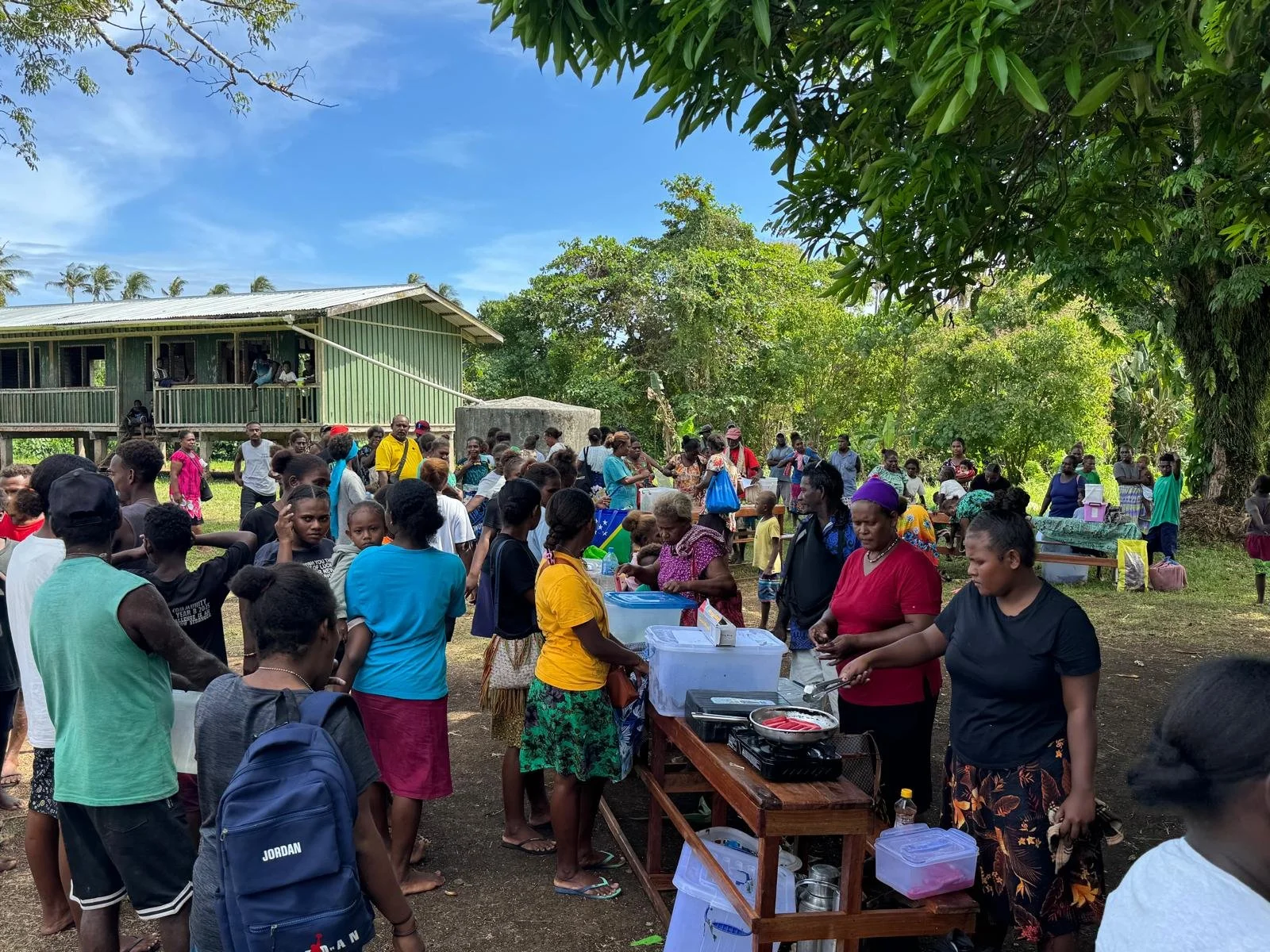
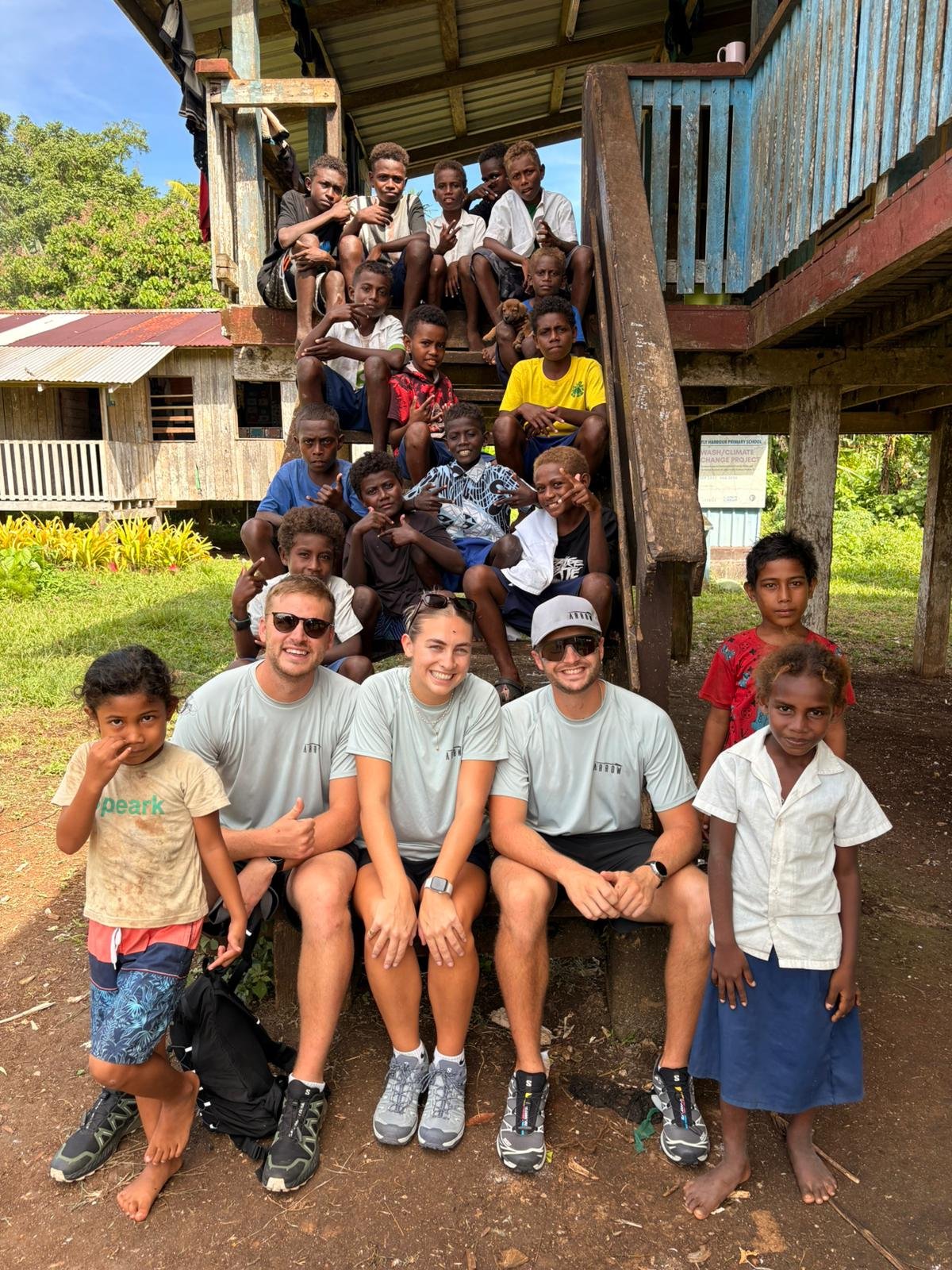
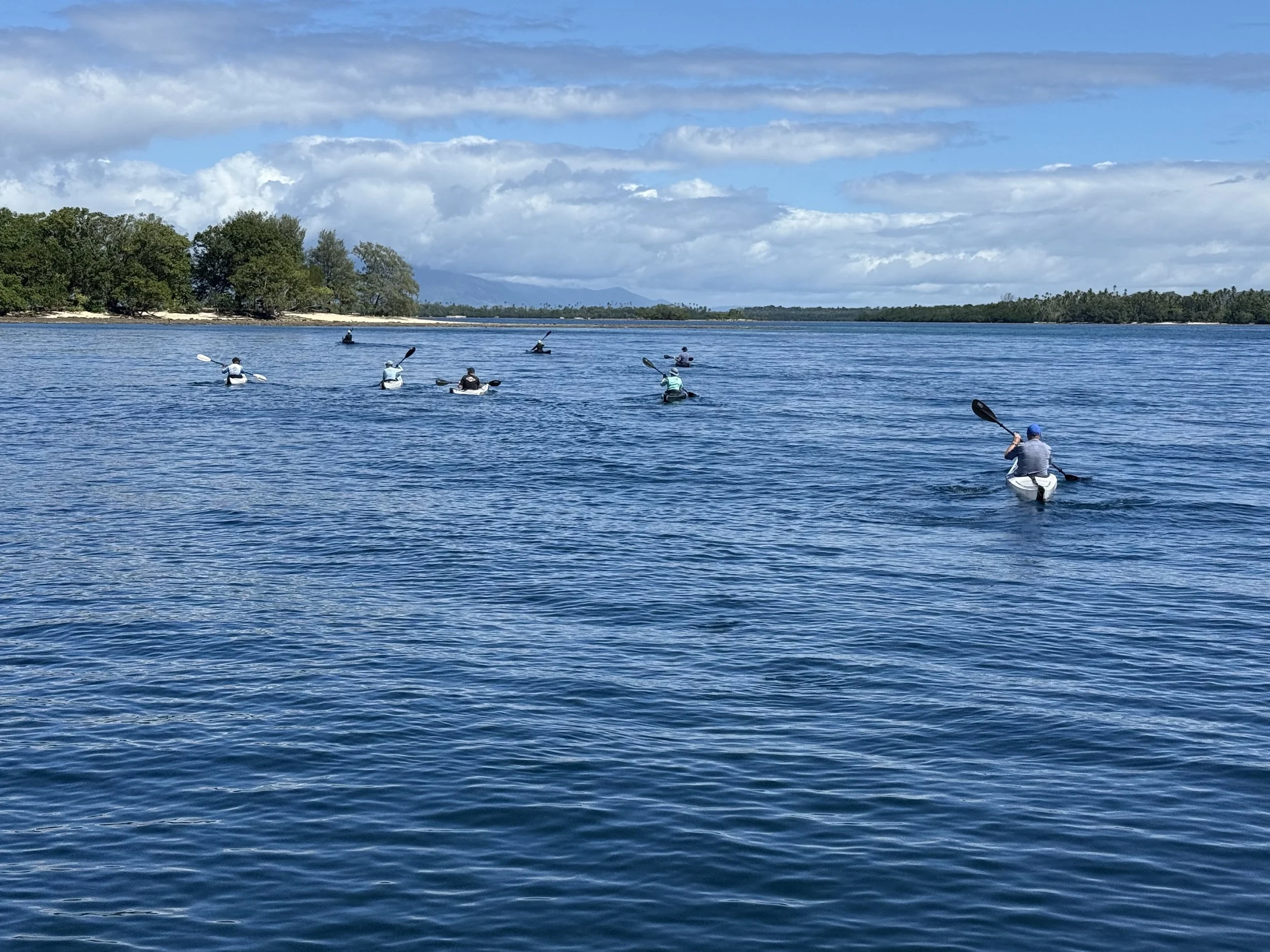
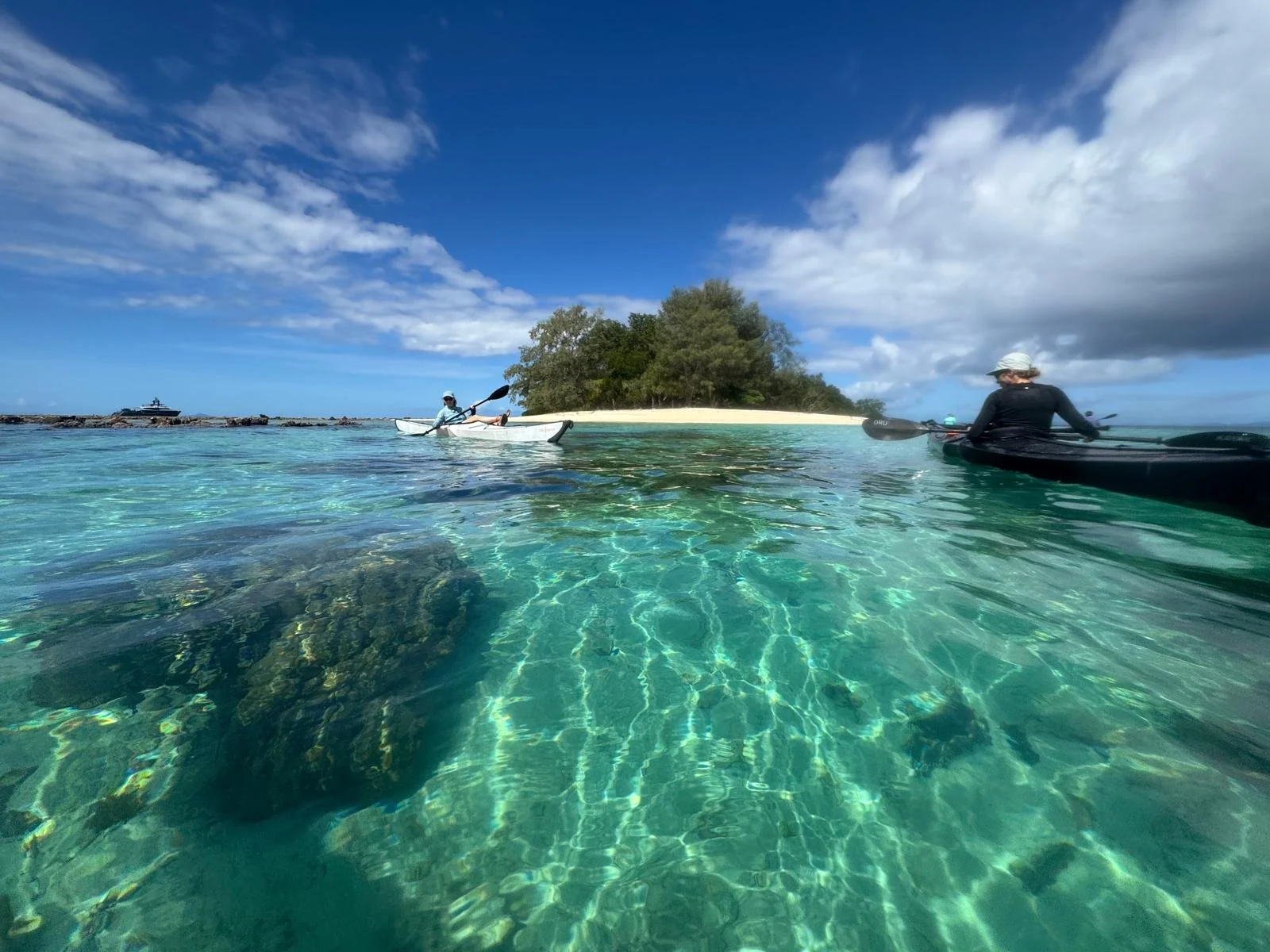
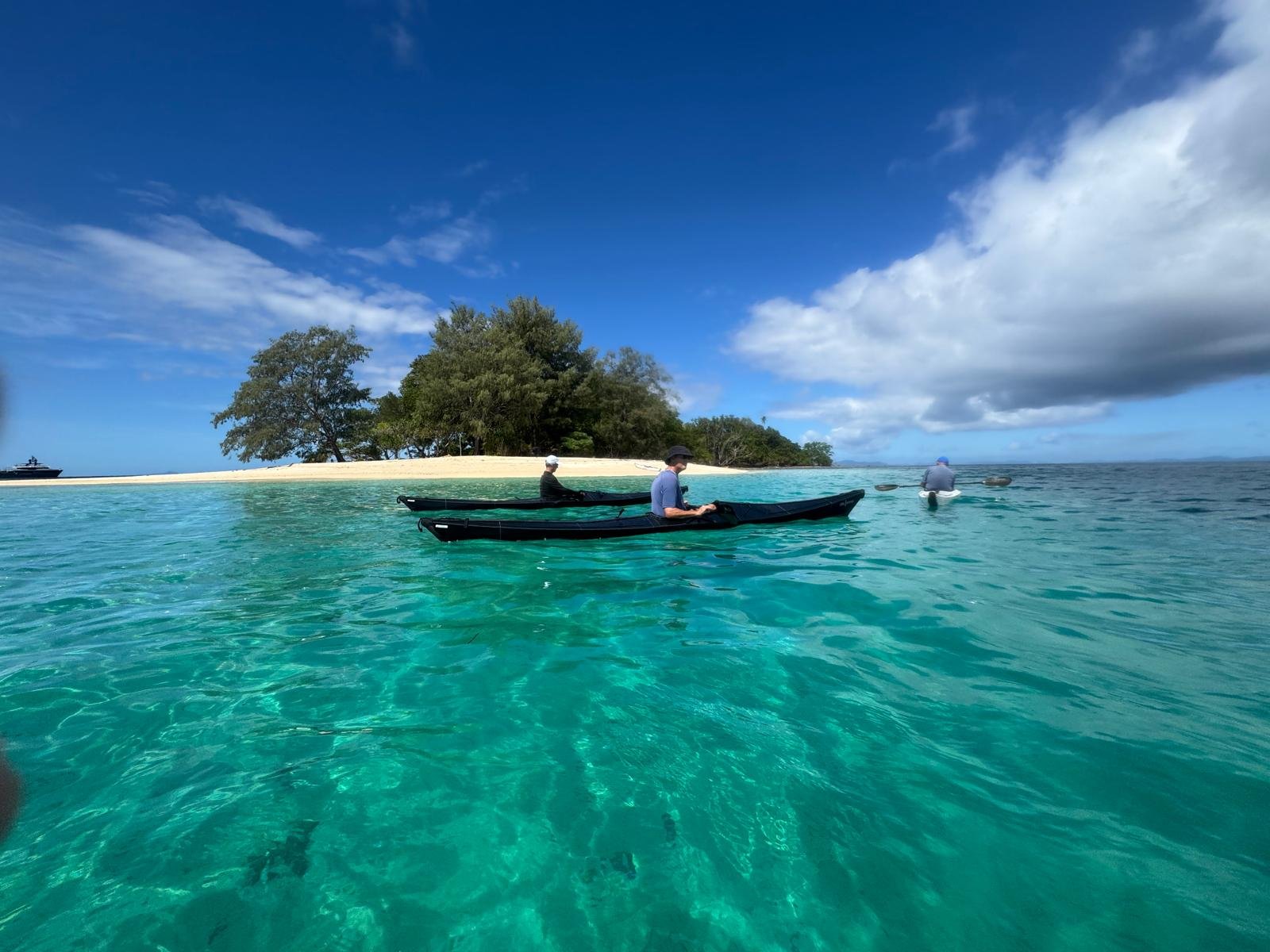
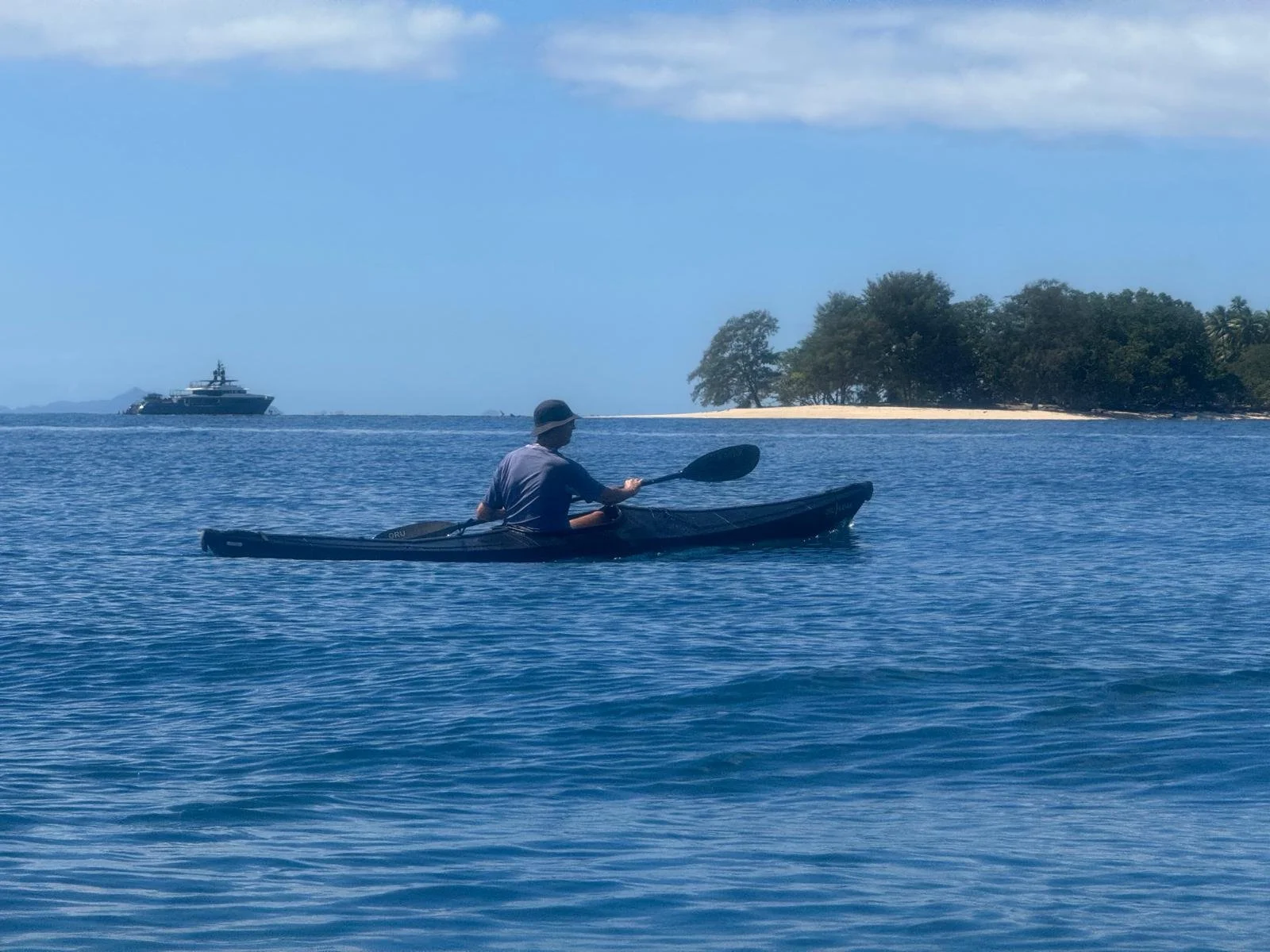
From there, Arrow continued north through the Solomon Islands, visiting Buena Vista Island and the Russell Islands. Days settled into the familiar routine of snorkelling, kayaking, fishing and exploring ashore. One morning, a hike coincided with a fundraising fete at a school on Marulaon Island. Guests and crew stumbled into a lively gathering of games and food stalls, and happily contributed to the fundraising efforts.
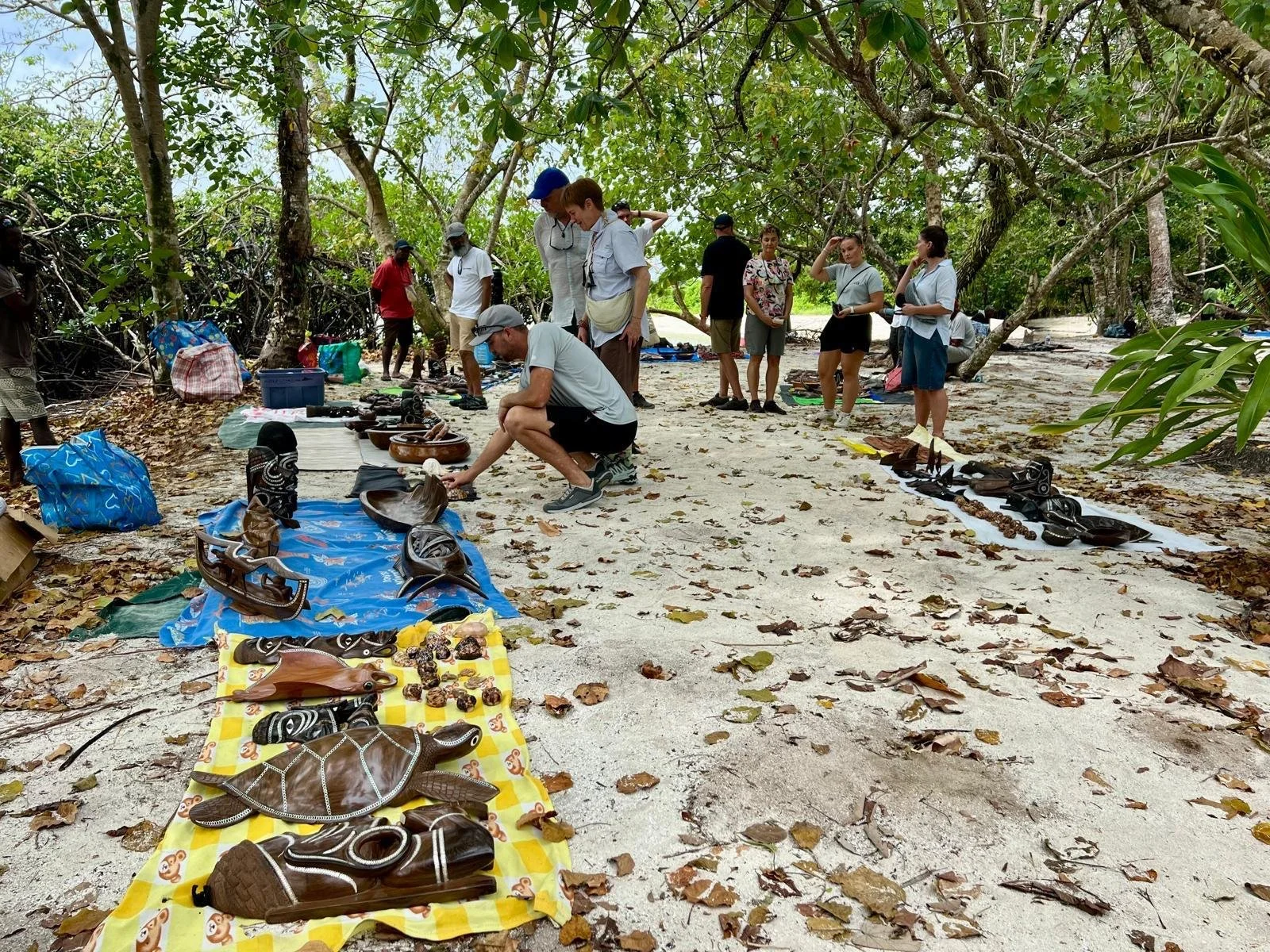
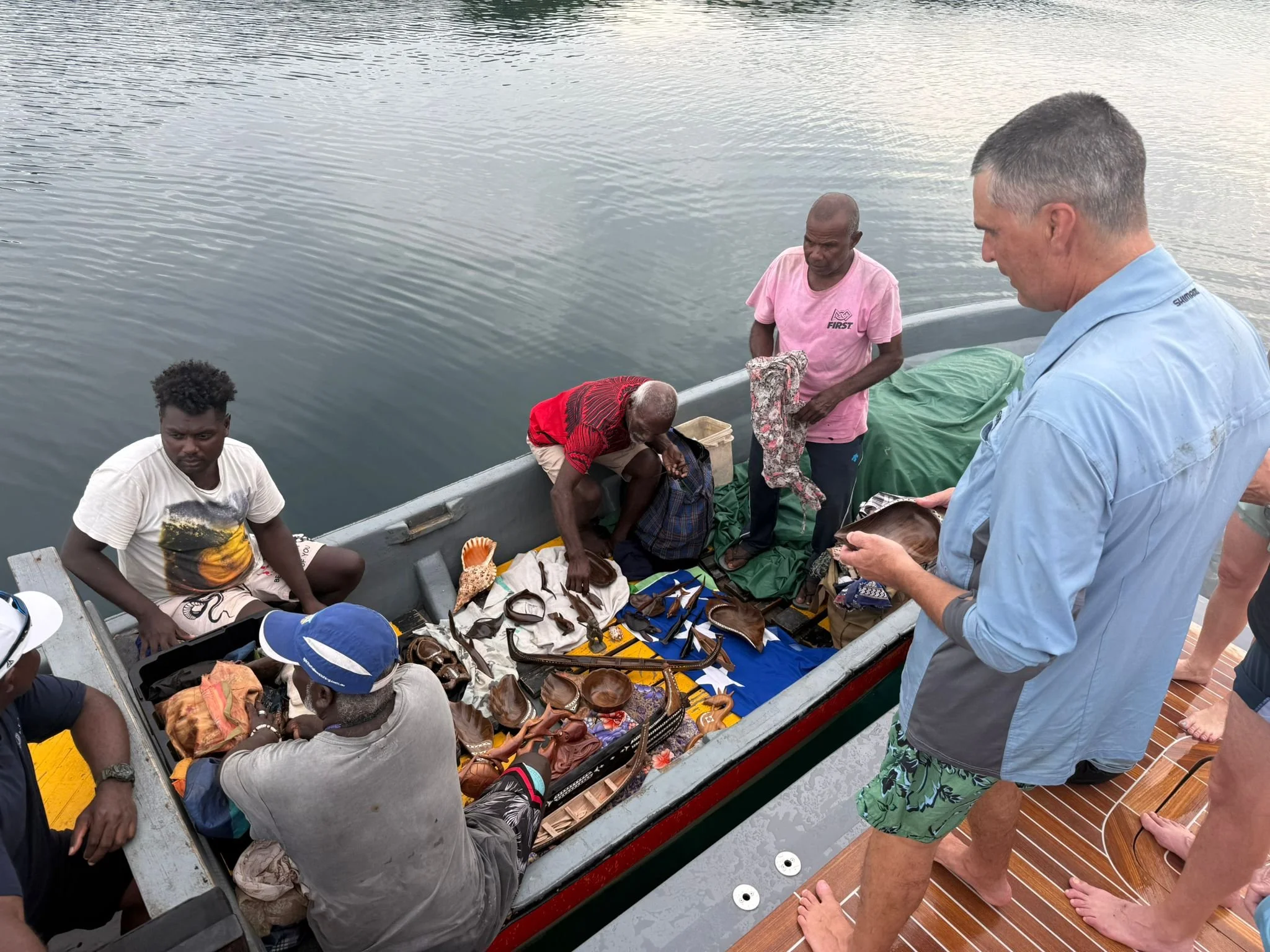
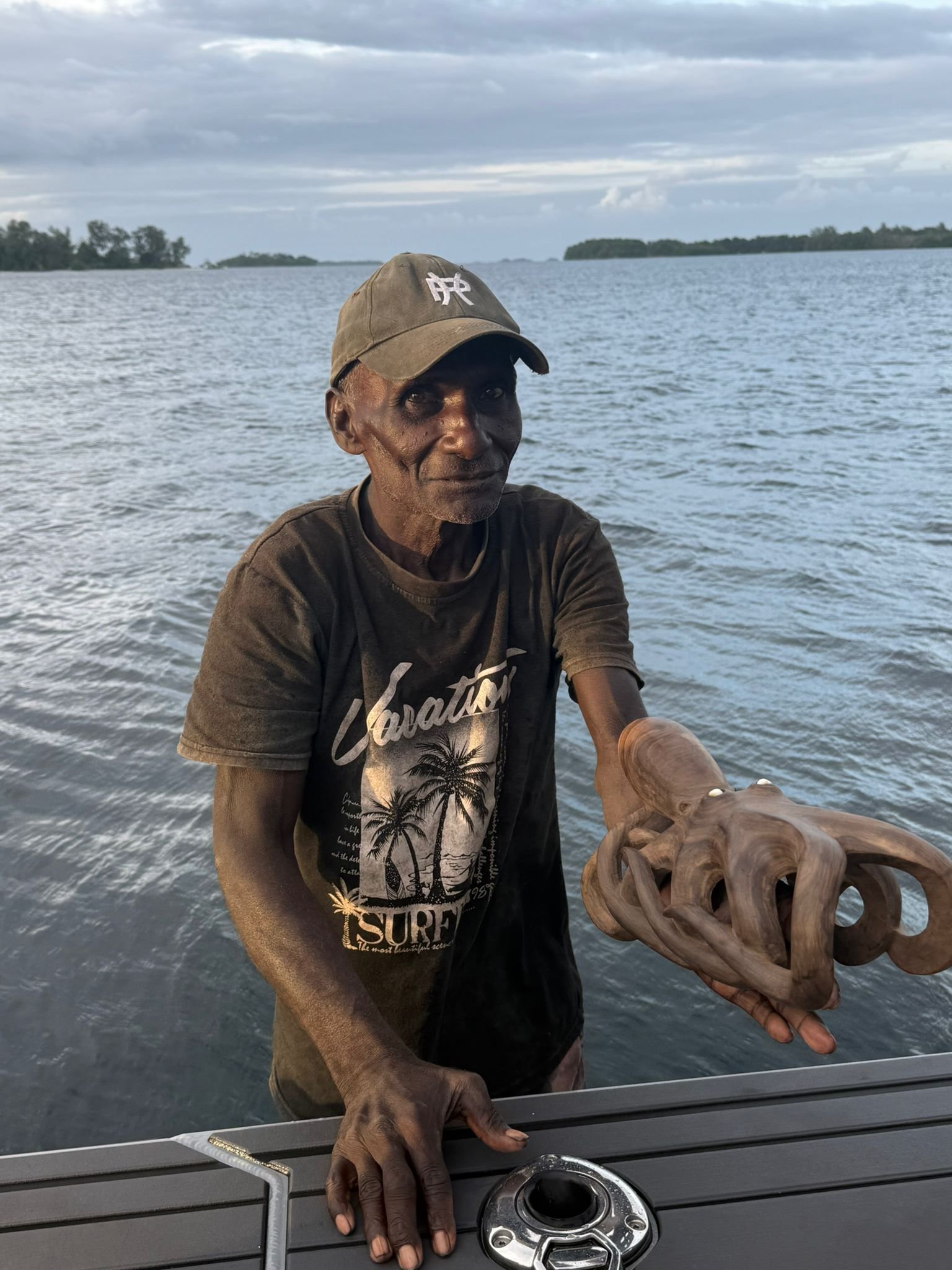
A stern-to anchorage off Minjanga Island provided another idyllic spot for kayaking and exploring. It was also here that the Solomon Islanders’ aptitude for craftsmanship became apparent. Renowned for their intricate wood carving skills, local craftsmen regularly paddled out to Arrow or established small markets ashore displaying beautifully carved objects. Before long, everyone had started collecting pieces.
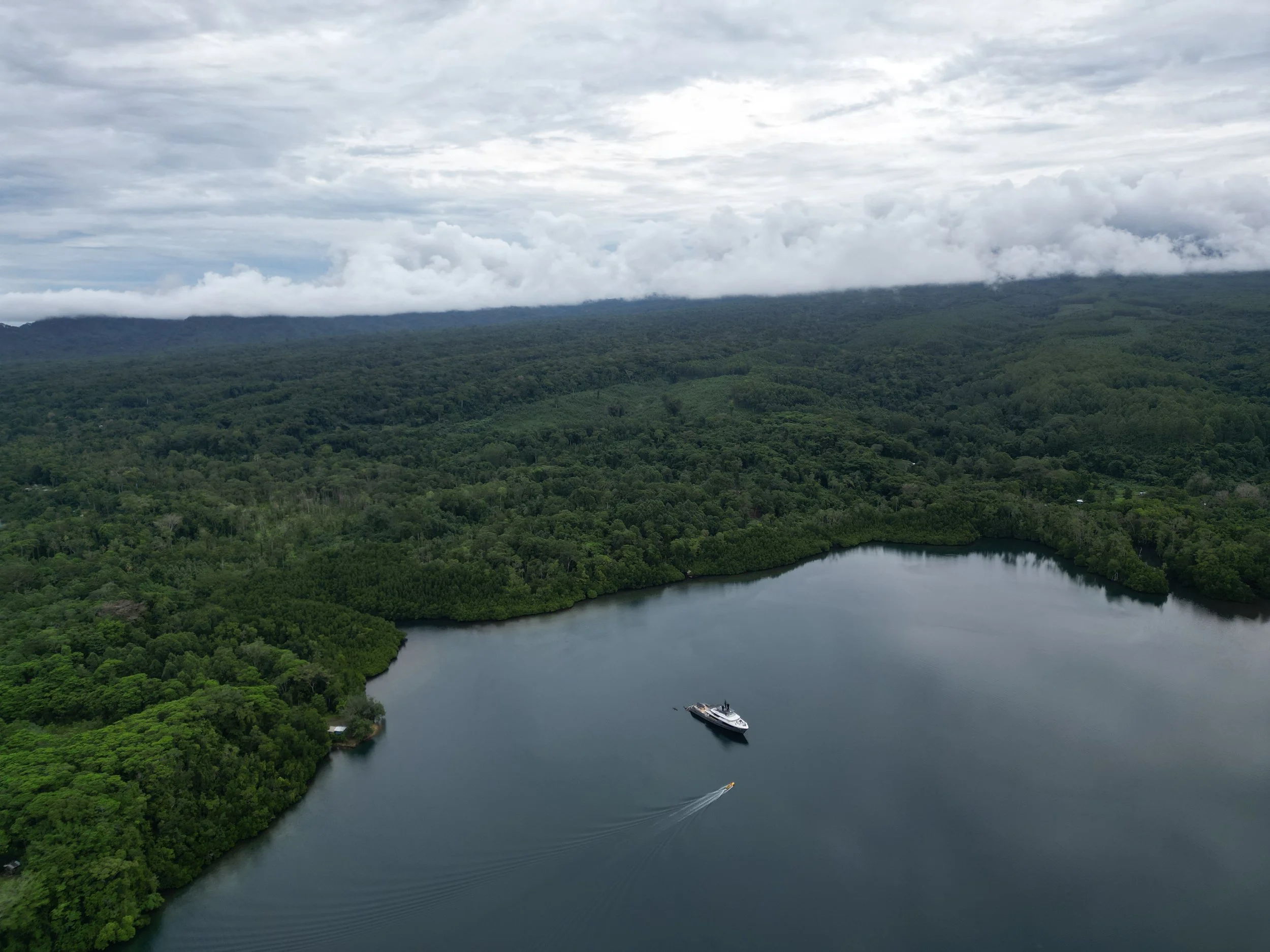
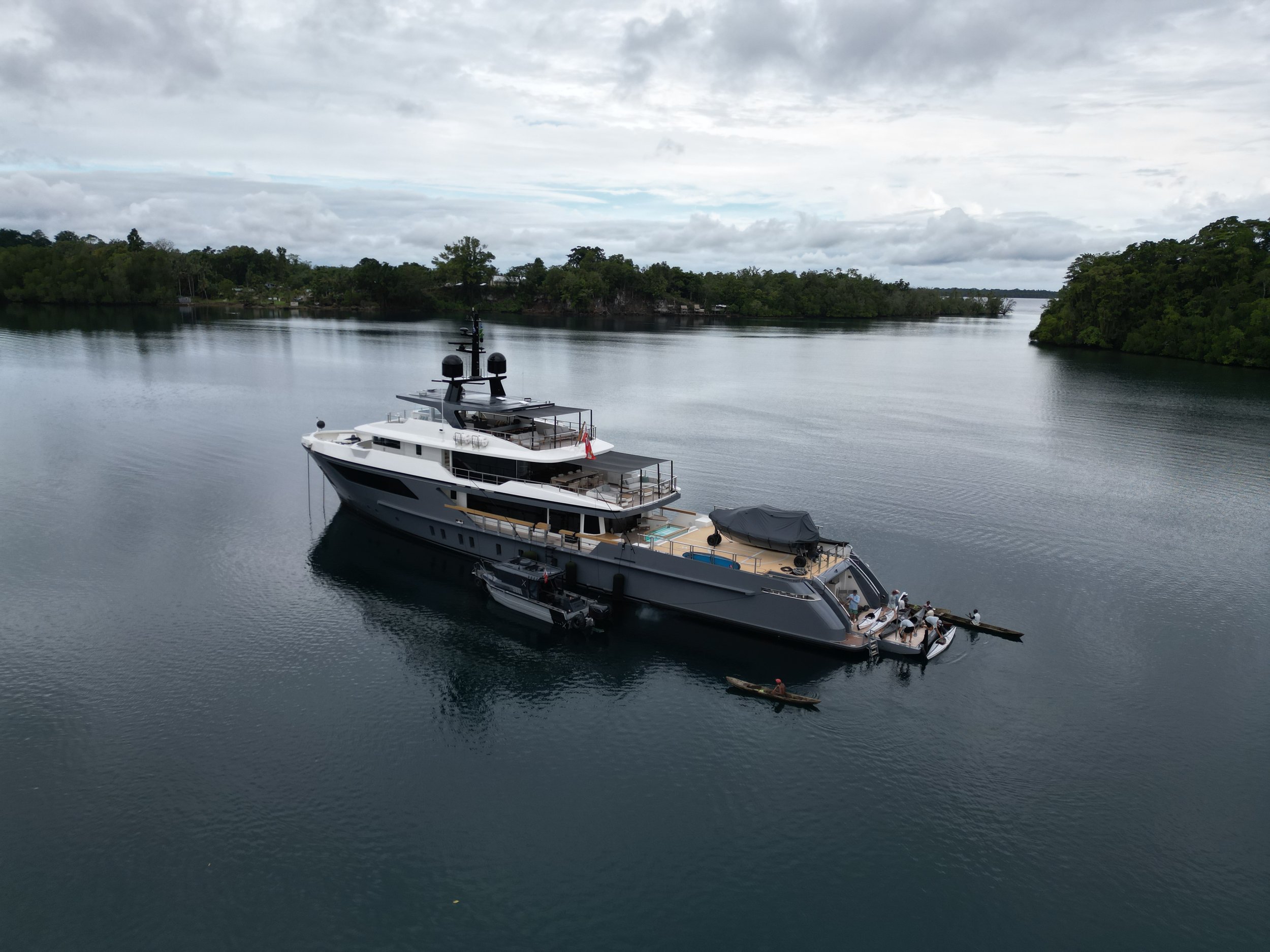
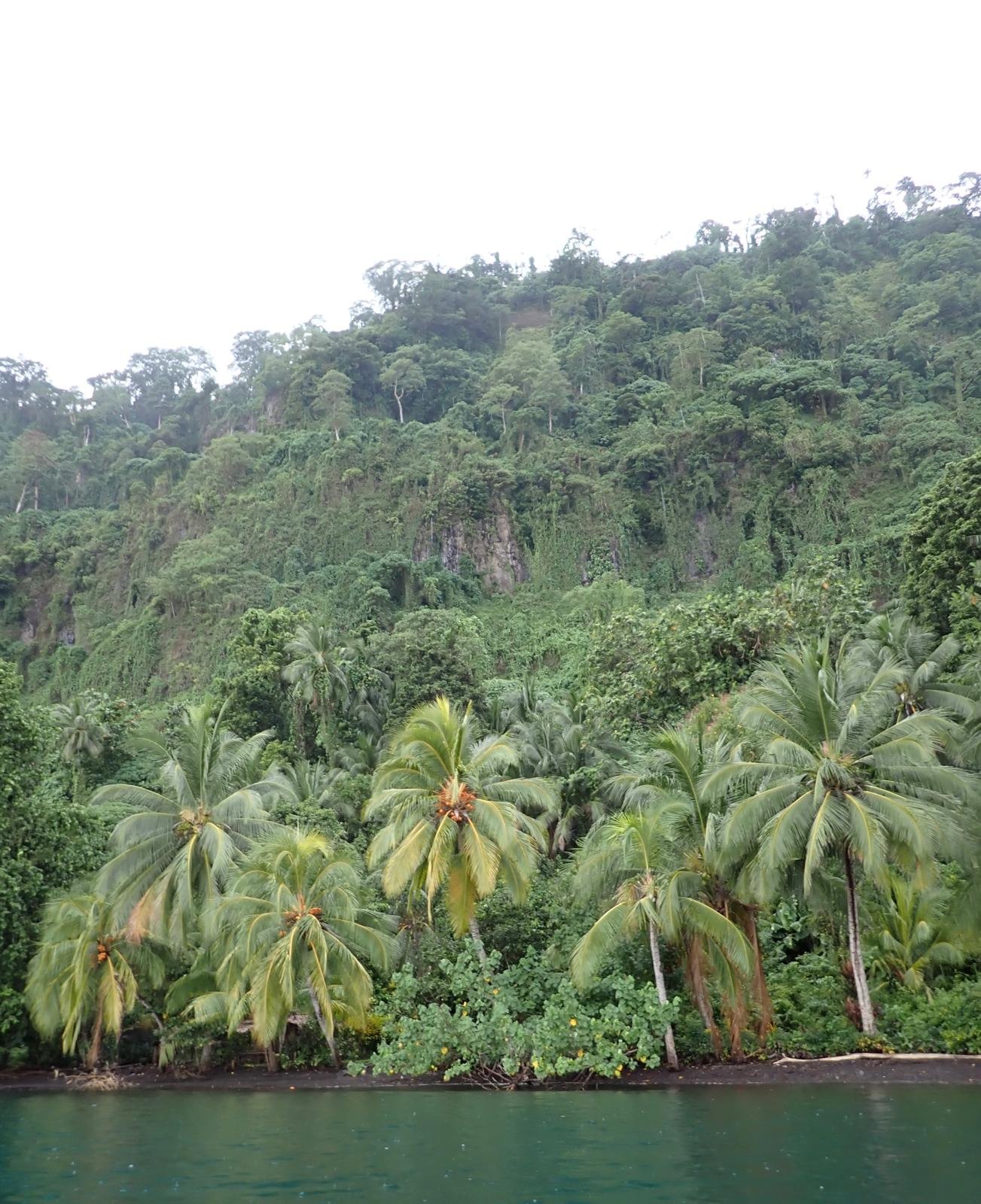
After a longer passage to New Georgia, and a visit to the markets of Noro, Arrow found one of the standout anchorages of the entire trip. Hidden up a creek on Kolombangara Island, it was completely enclosed by rainforest.
References to the Second World War emerge throughout the islands. Near Gizo, Arrow passed by Plum Pudding Island, made famous by the story of future U.S. President John F. Kennedy, whose patrol boat PT-109 was sunk nearby before he swam his injured crew to safety.
Gizo also provided the first opportunity to eat ashore, with guests and crew enjoying dinner by the water at Fatboys Resort, which they had almost entirely to themselves. The following morning began with a visit to the town's lively market before continuing north-west.
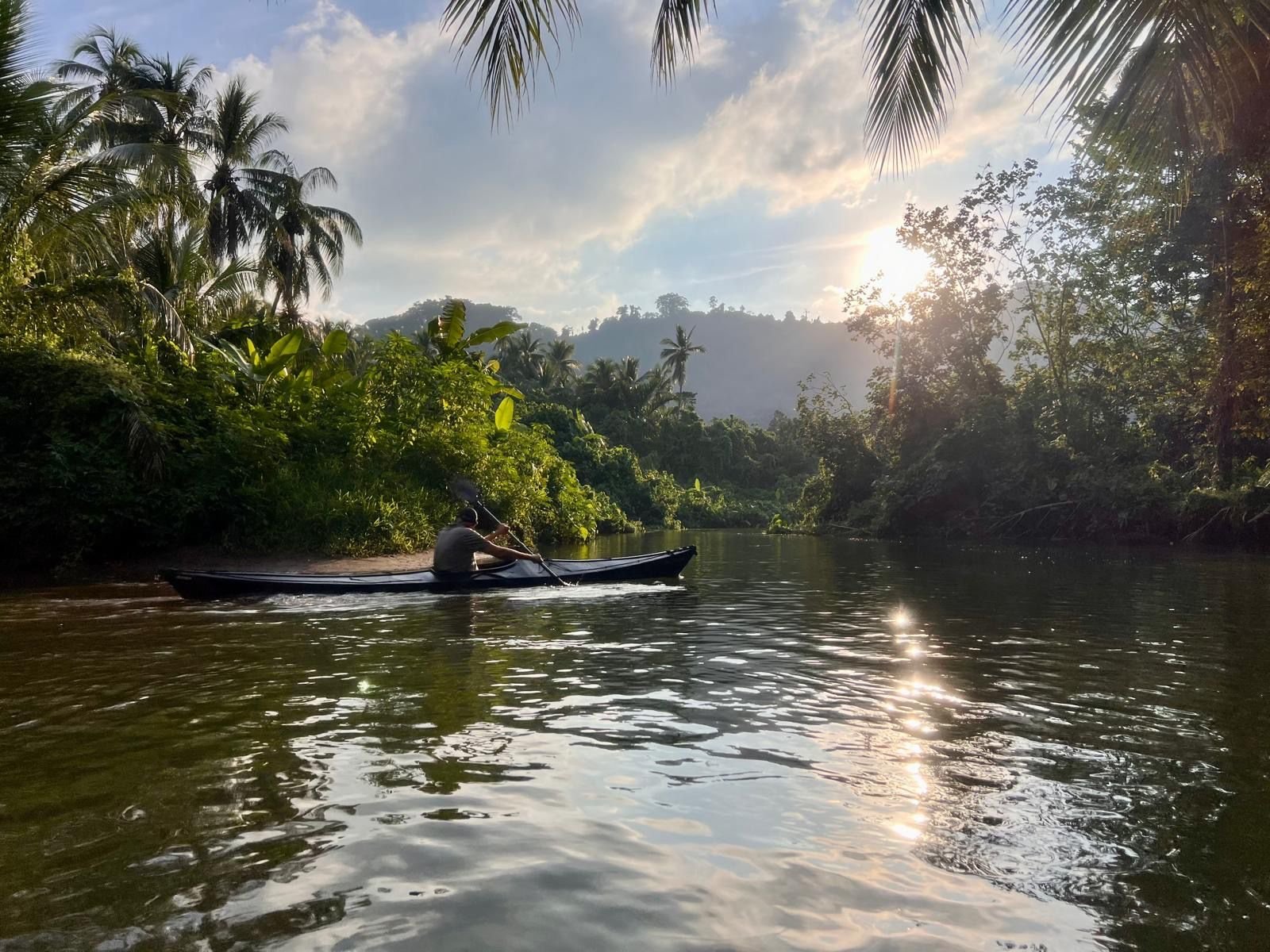
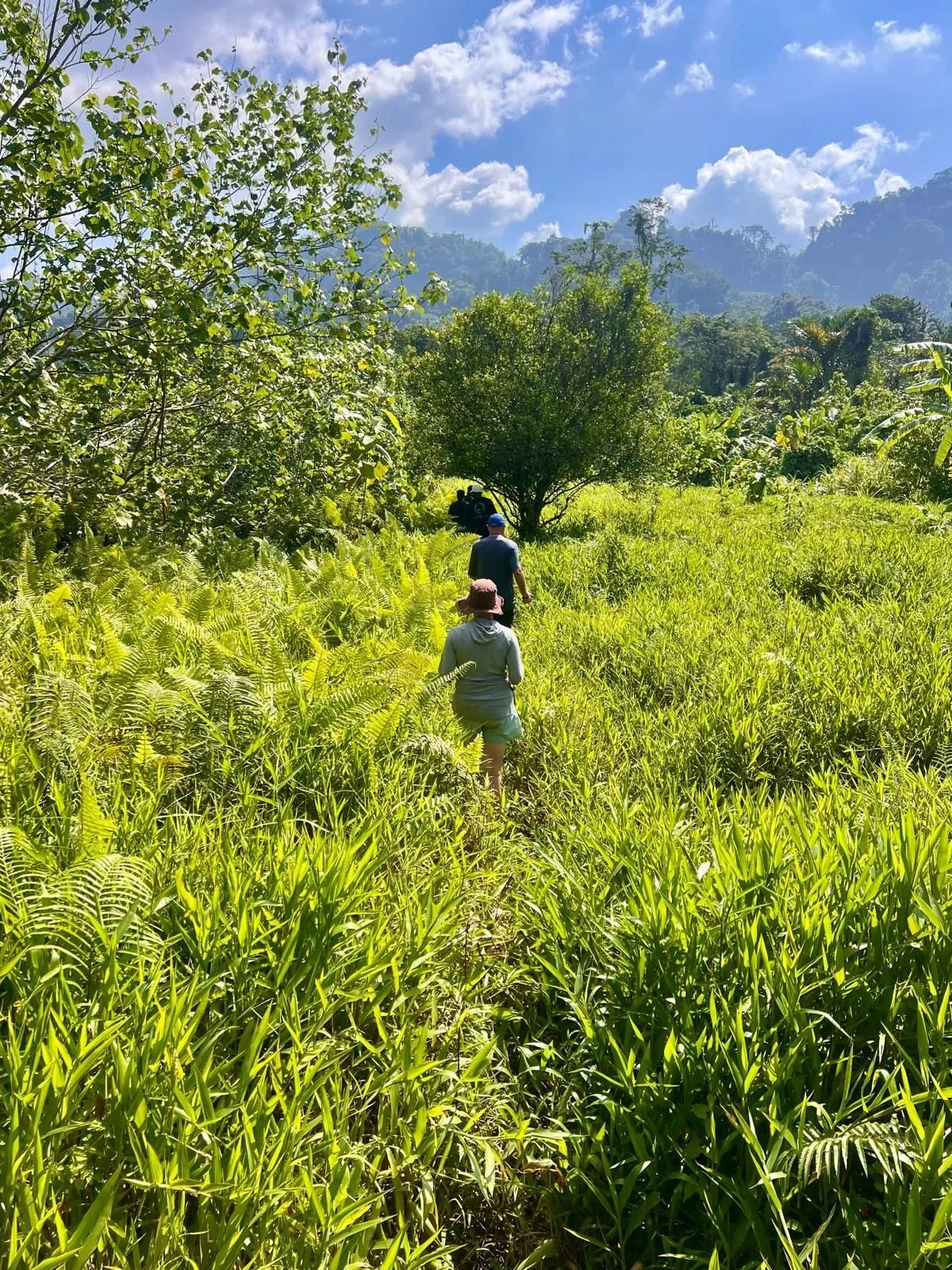
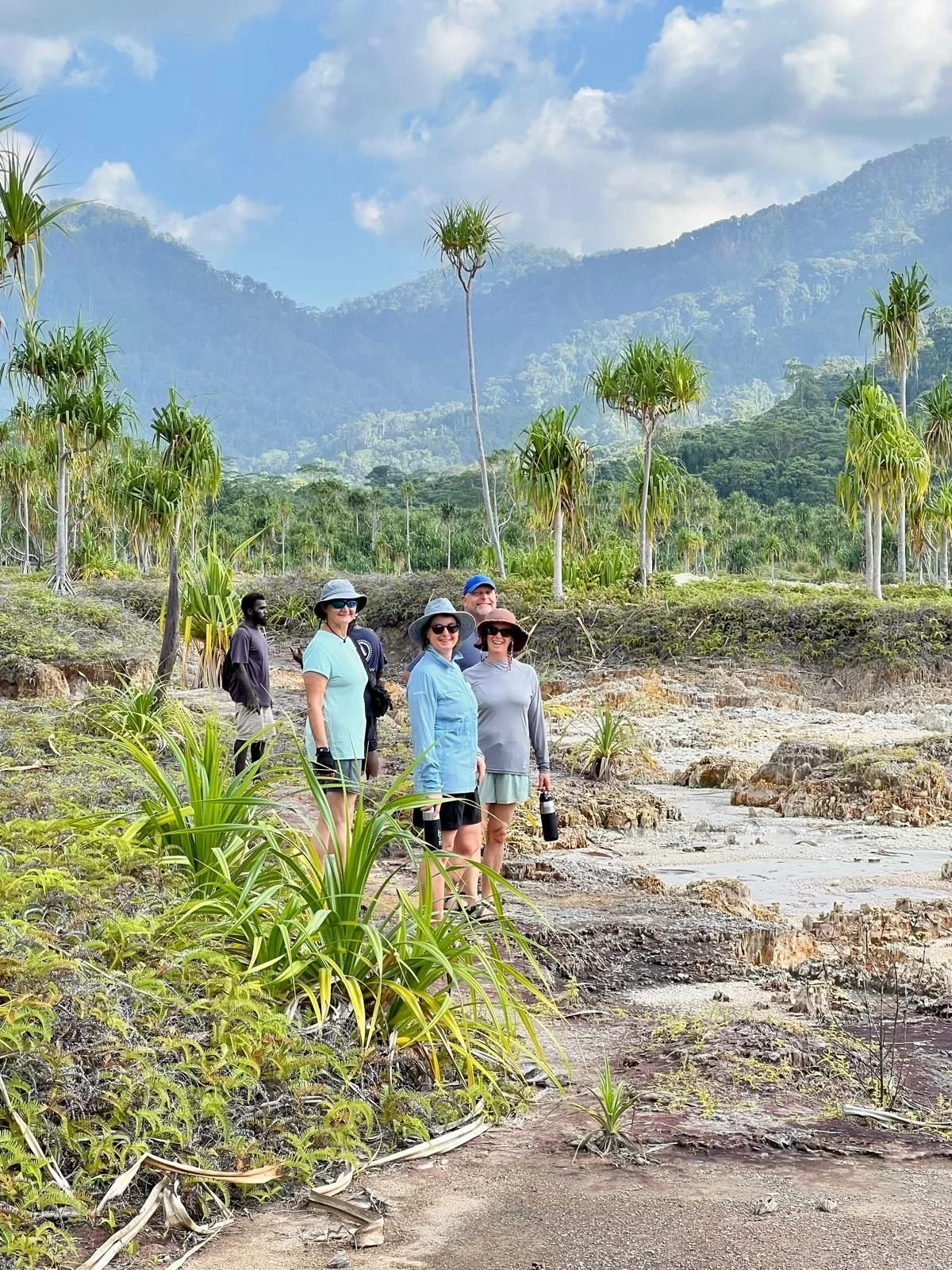
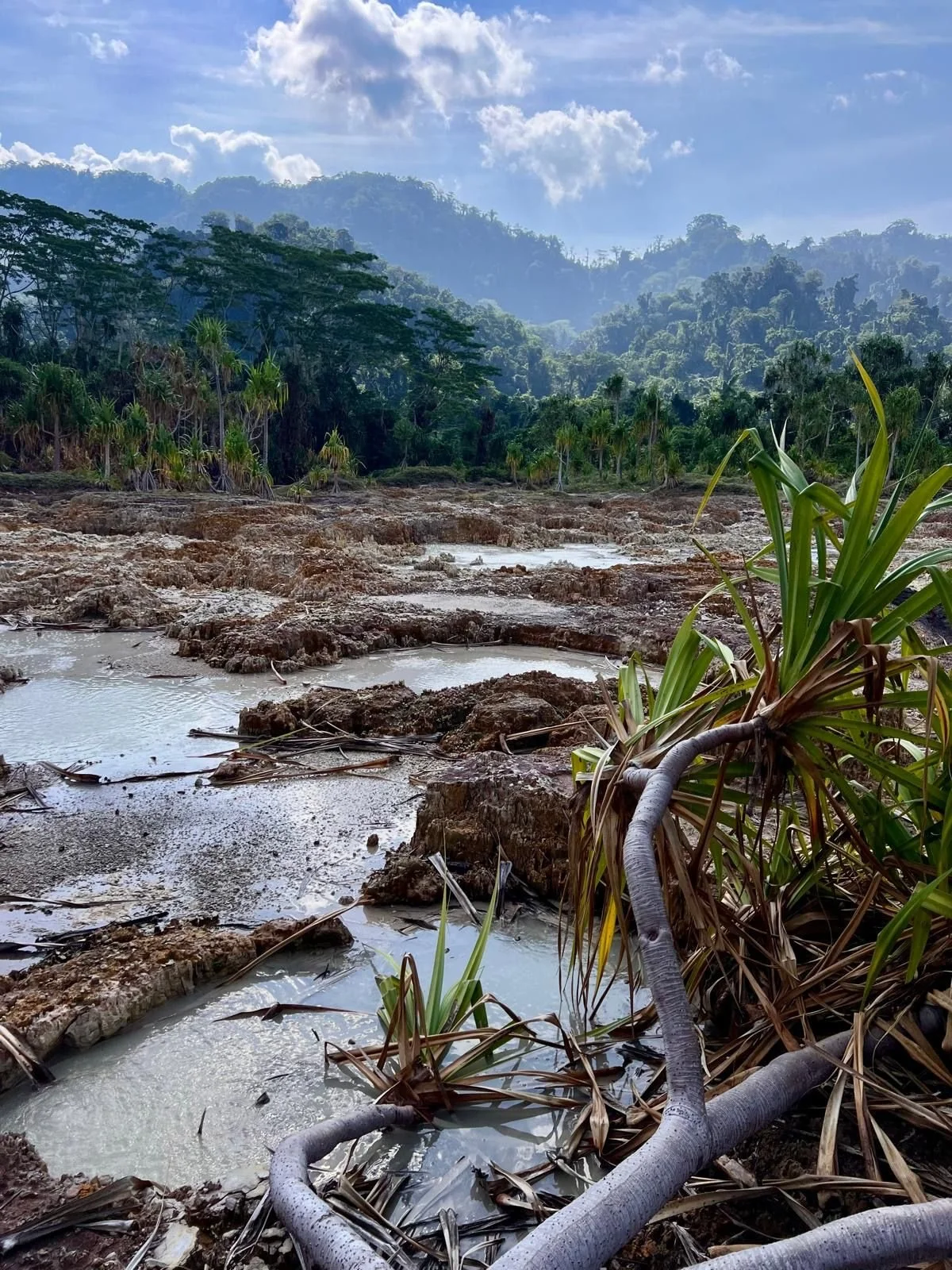
One of the highlights came in Paraso Bay on Vella Lavella Island, where it was possible to kayak up a river to naturally heated sulphur springs on the slopes of Nonda Volcano. Guide Clem arranged for local villagers to meet them there, which proved helpful as while some pools were pleasantly warm for swimming, others reached temperatures close to boiling.
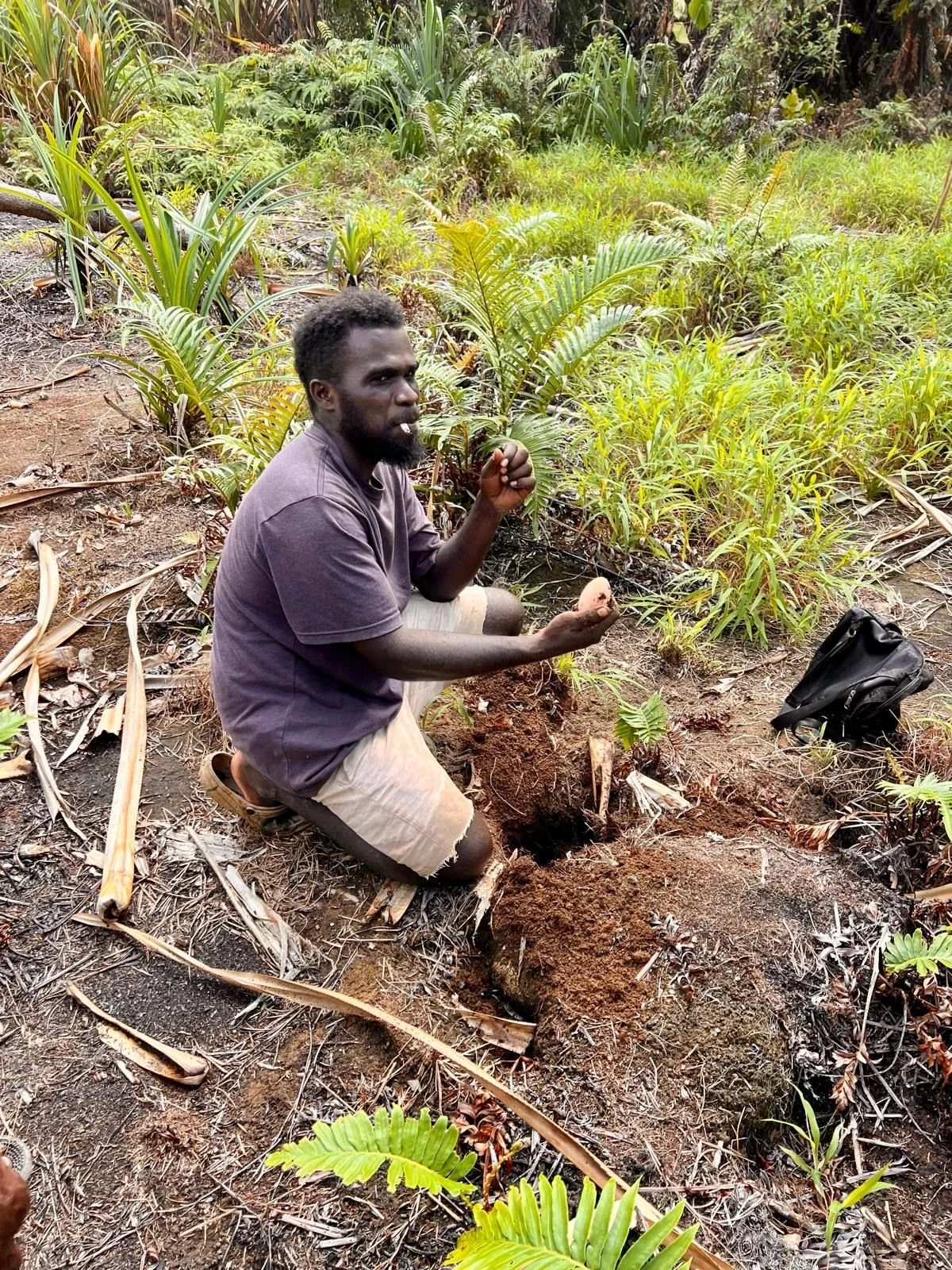
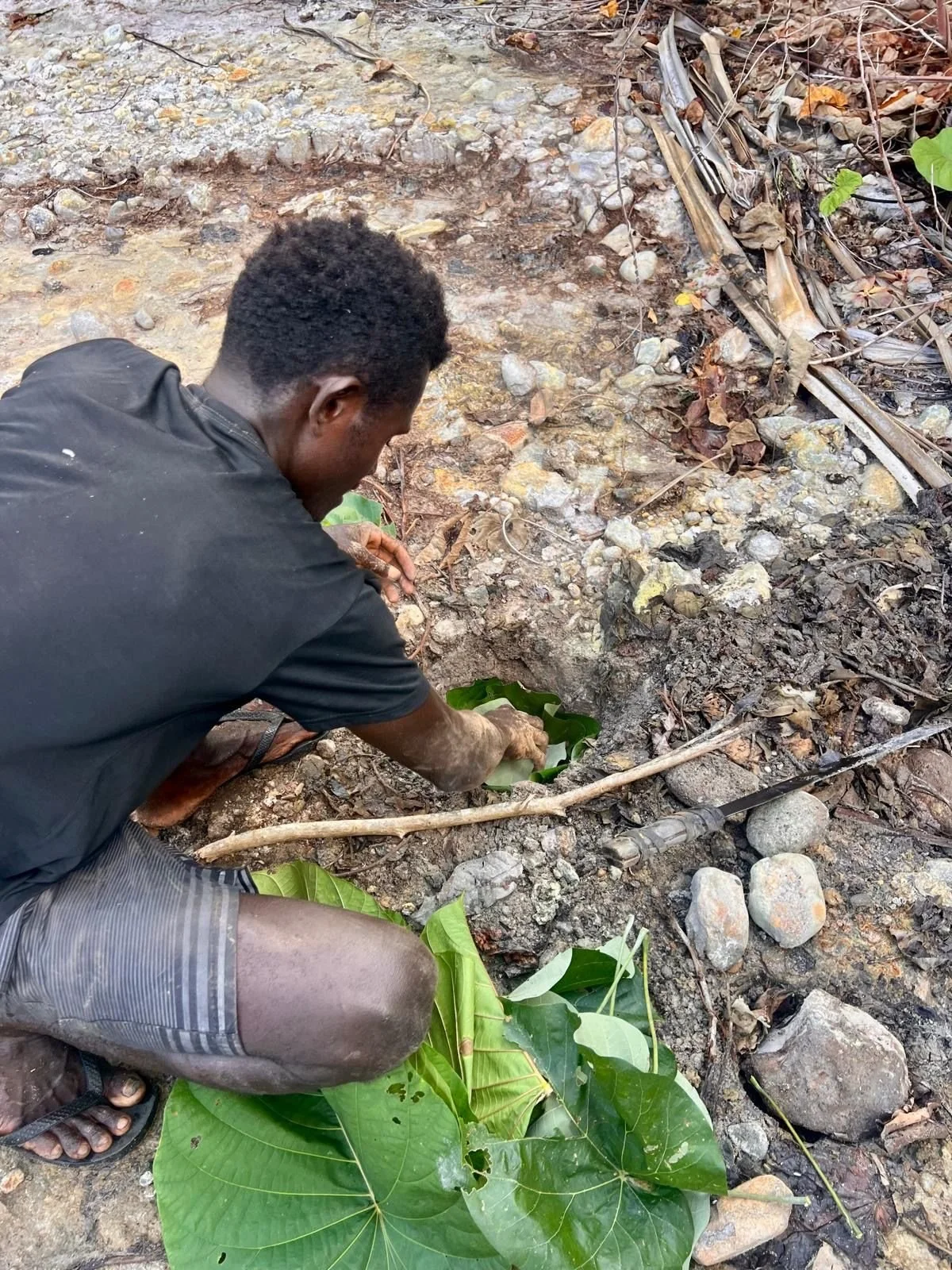
The locals also demonstrated another use for the geothermal heat. After finding fresh megapode (a chicken-like bird) eggs in nearby nests, they buried them in the hot volcanic ground to cook, offering them as a surprising but pleasant post-swim snack.
Arrow checked out of the Solomon Islands on Taro Island, with a barbecue onboard to commemorate the end of the first half of the trip before crossing into Papua New Guinea.
Papua New Guinea
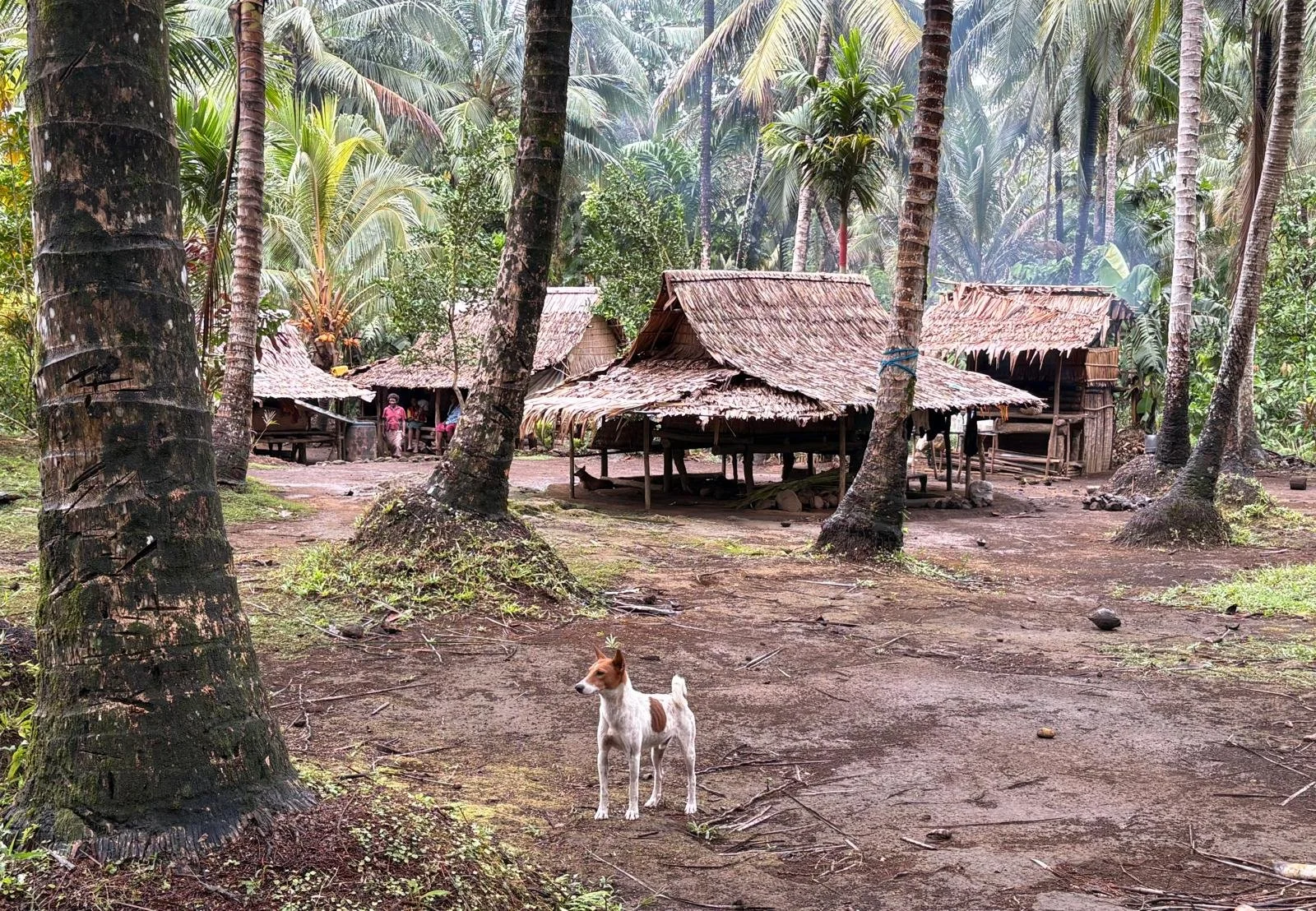
If the Solomon Islands felt remote, Papua New Guinea felt wilder still. Its rugged geography, with high mountains, dense rainforest and deep valleys, has historically isolated communities, allowing more than 800 living languages and hundreds of distinct cultural groups to develop.
With every island and community having its own customs and protocols, cruising here required another level of planning. Guides Clem and Killa coordinated permissions with village leaders, while additional security accompanied certain shore excursions and nighttime anchorages.
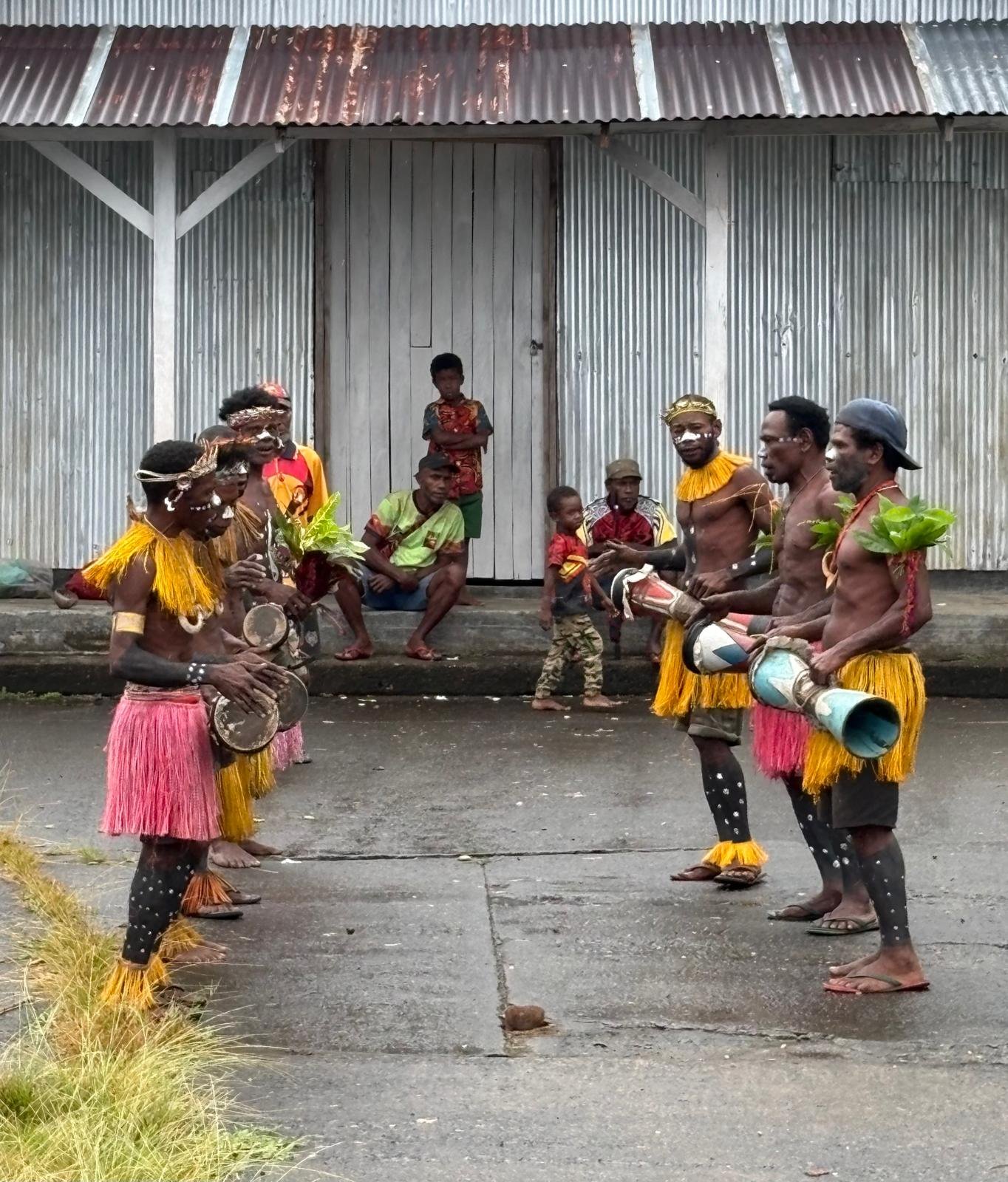
Arrow first arrived in Kieta, on the island of Bougainville, to check into the country. The group was welcomed ashore with a traditional ceremony, during which Arrow’s amphibious tender was even blessed.
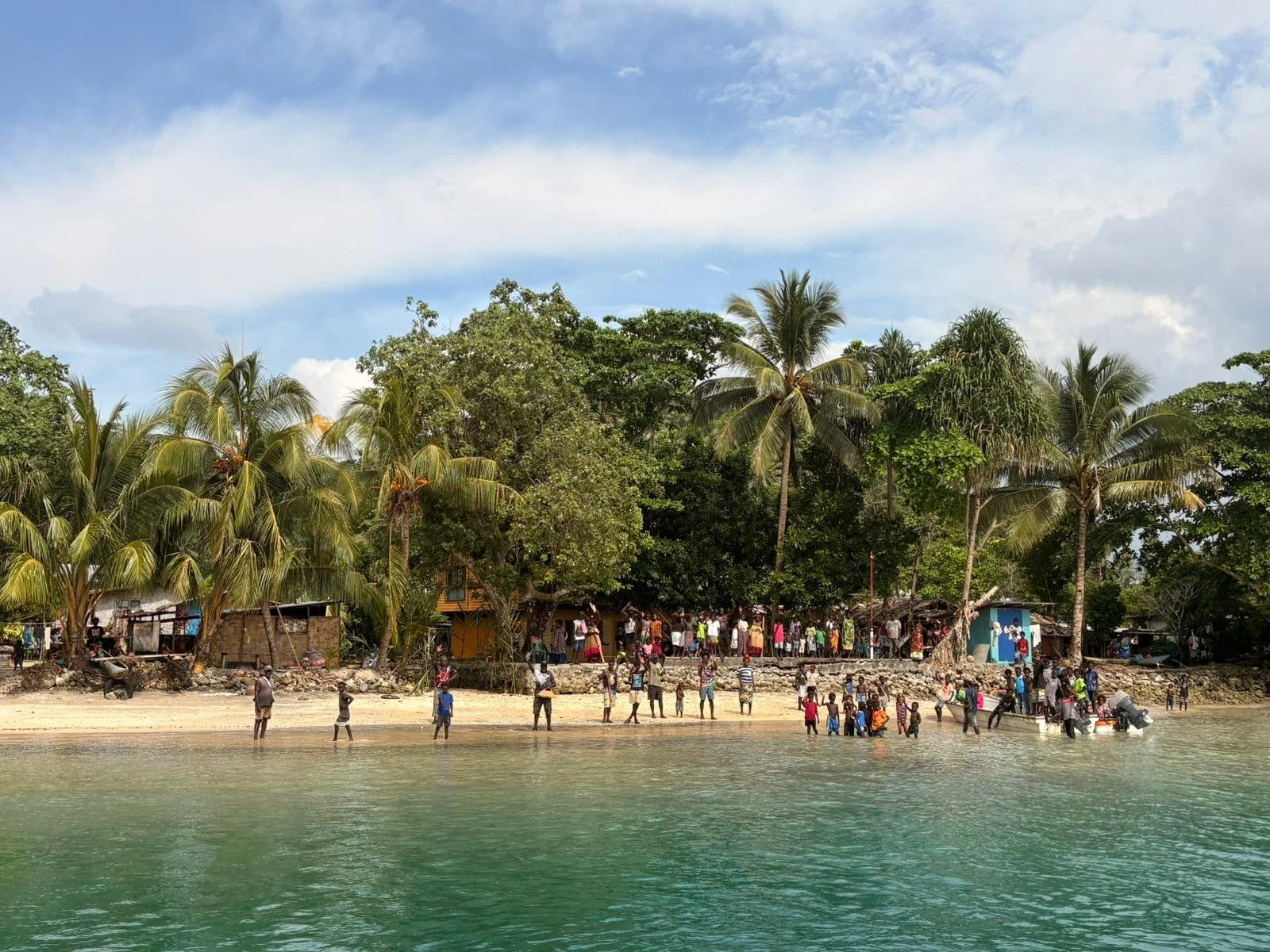
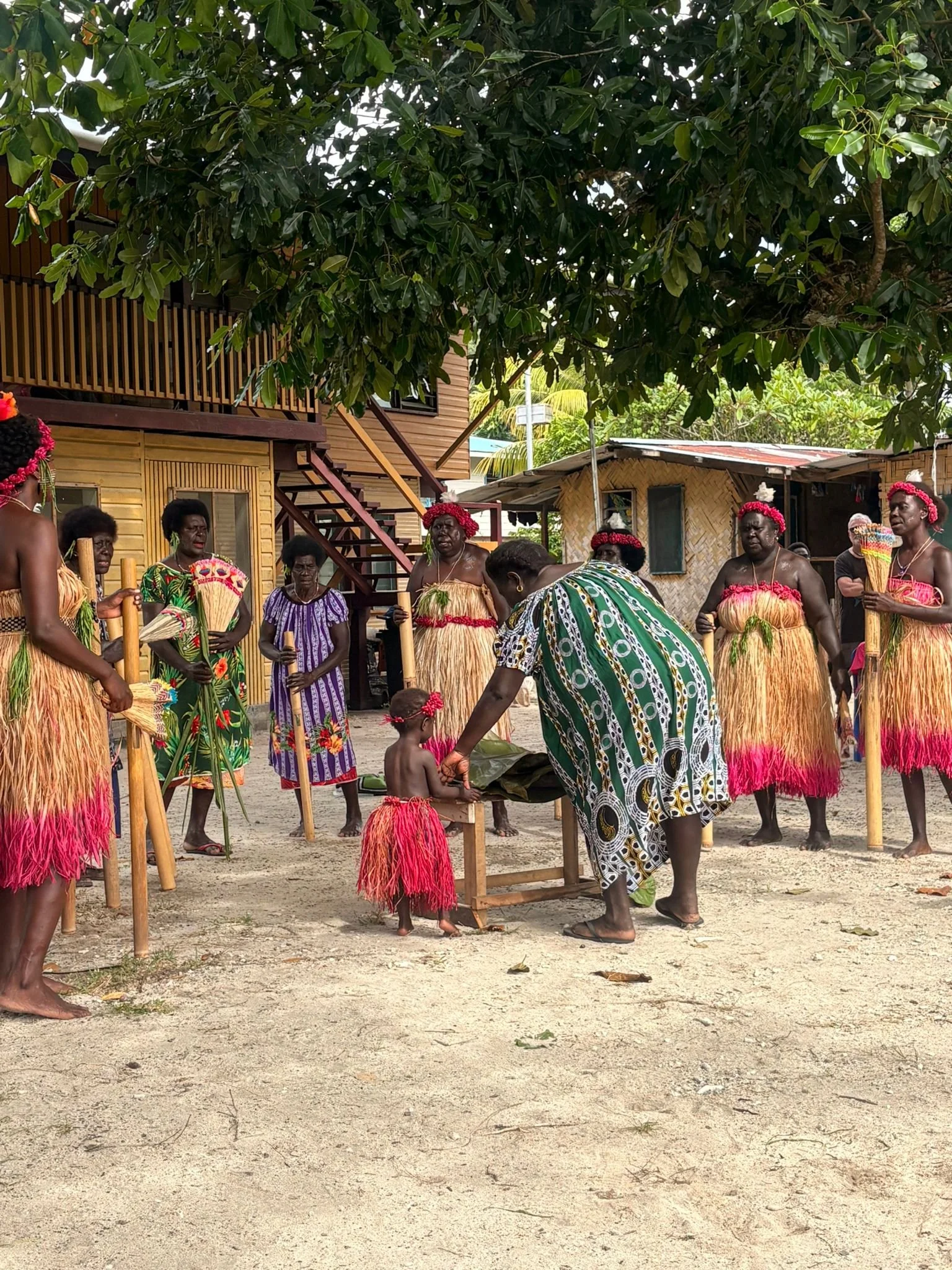
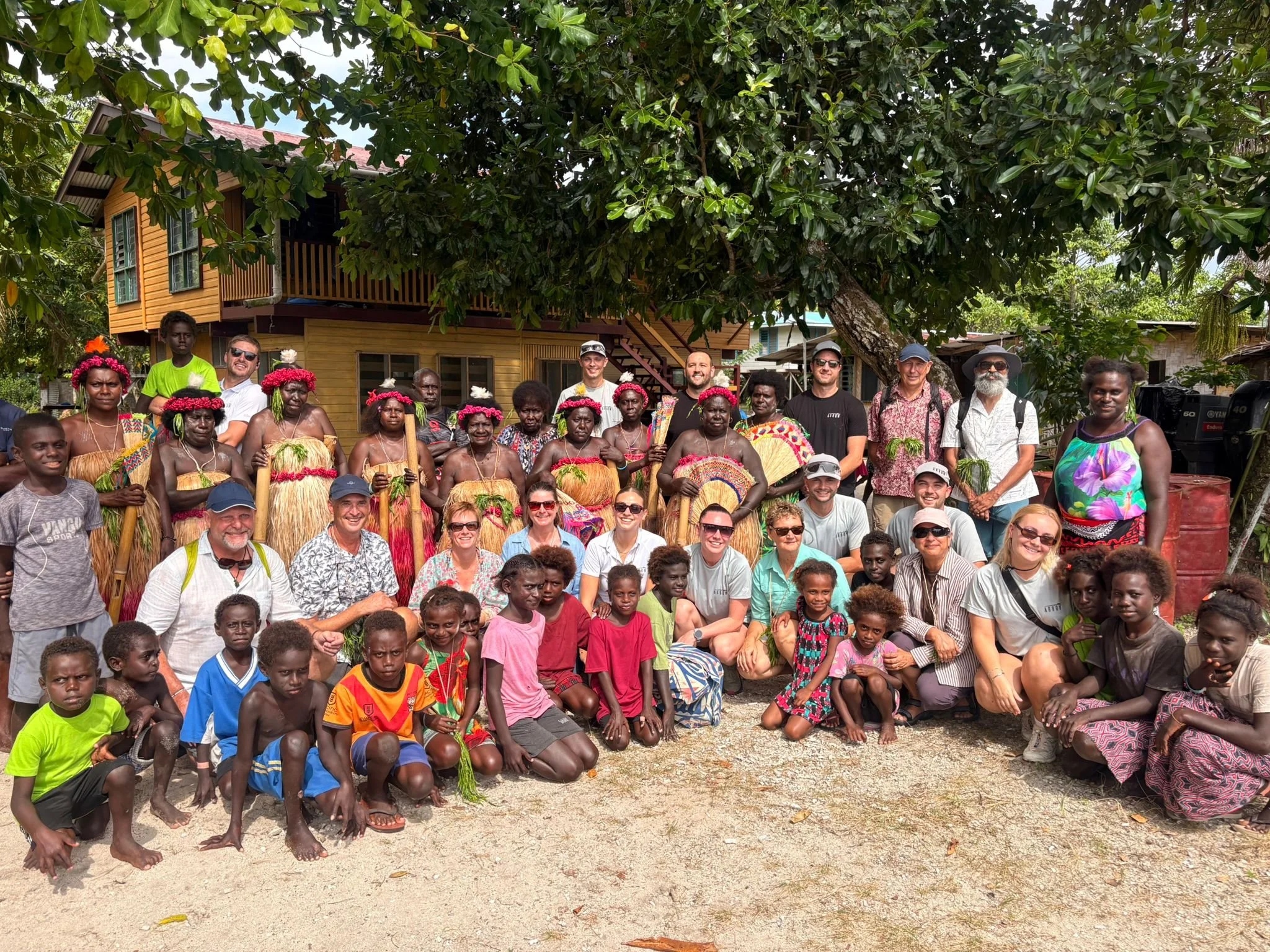
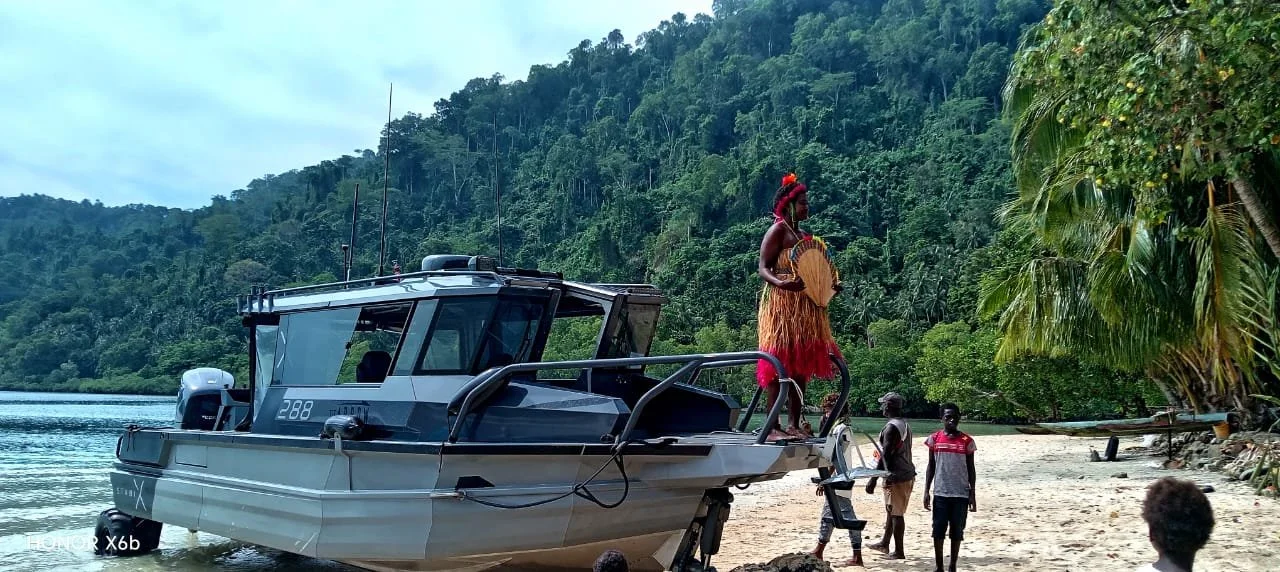
A land tour to nearby Arawa followed, where the legacy of Bougainville's civil war remains evident. Despite officially being part of Papua New Guinea, Bougainville felt quite removed, reflecting its location and ongoing pursuit of independence.
Continuing north, Arrow transited the narrow canal at Buka, where the town greeted the yacht with enormous enthusiasm. Cheering locals lined the shore and boats rushed out to get a closer look. One particularly excited group followed closely in a panga and, after one turn too many, a few passengers found themselves unexpectedly swimming ashore.
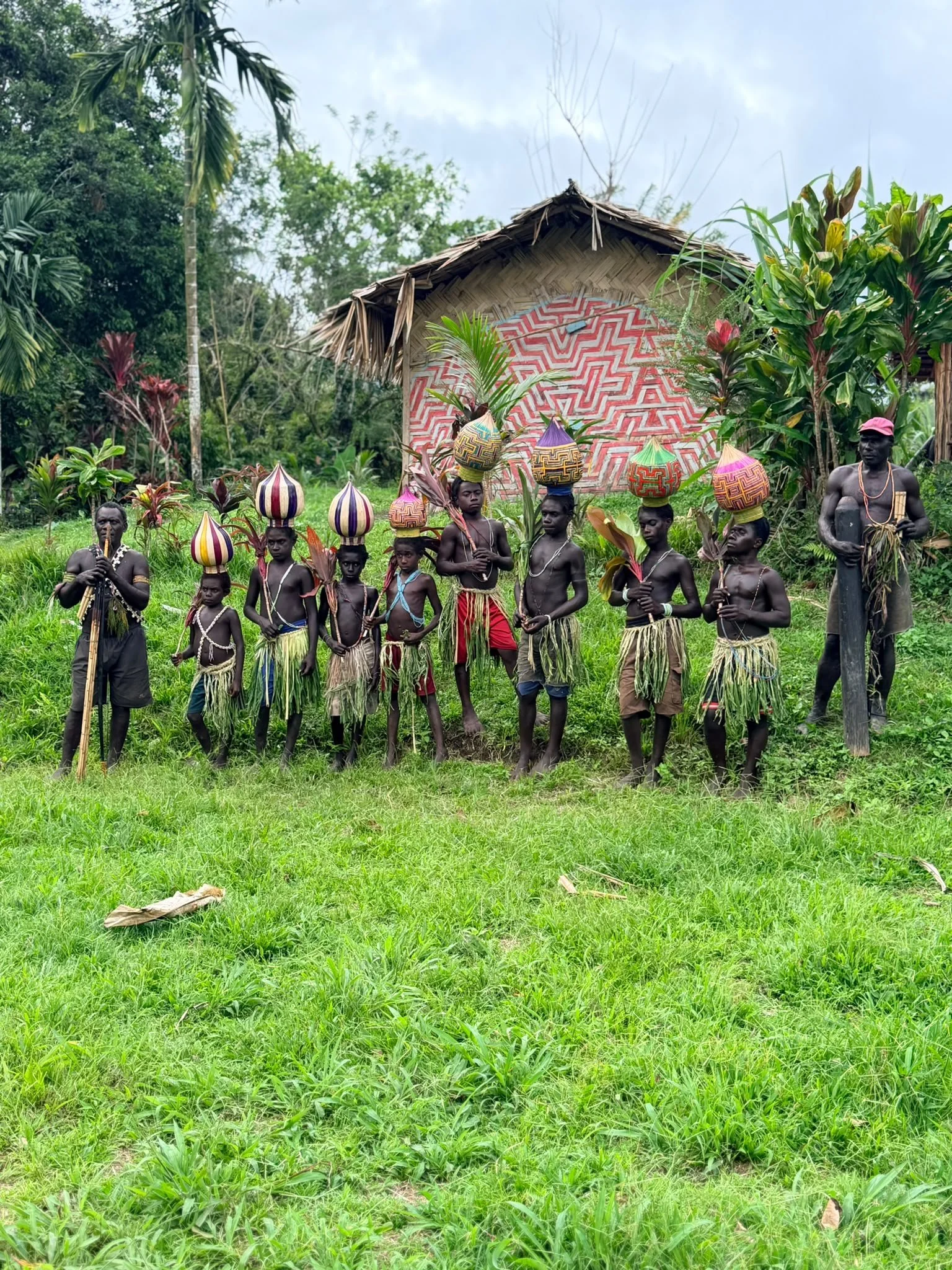
From Buka, the guests travelled inland to see the Upe people. The Upe initiation is a coming-of-age tradition during which young boys spend extended periods living in seclusion while learning tribal customs from village elders. Their distinctive woven headdresses are one of Bougainville's most recognisable cultural symbols.
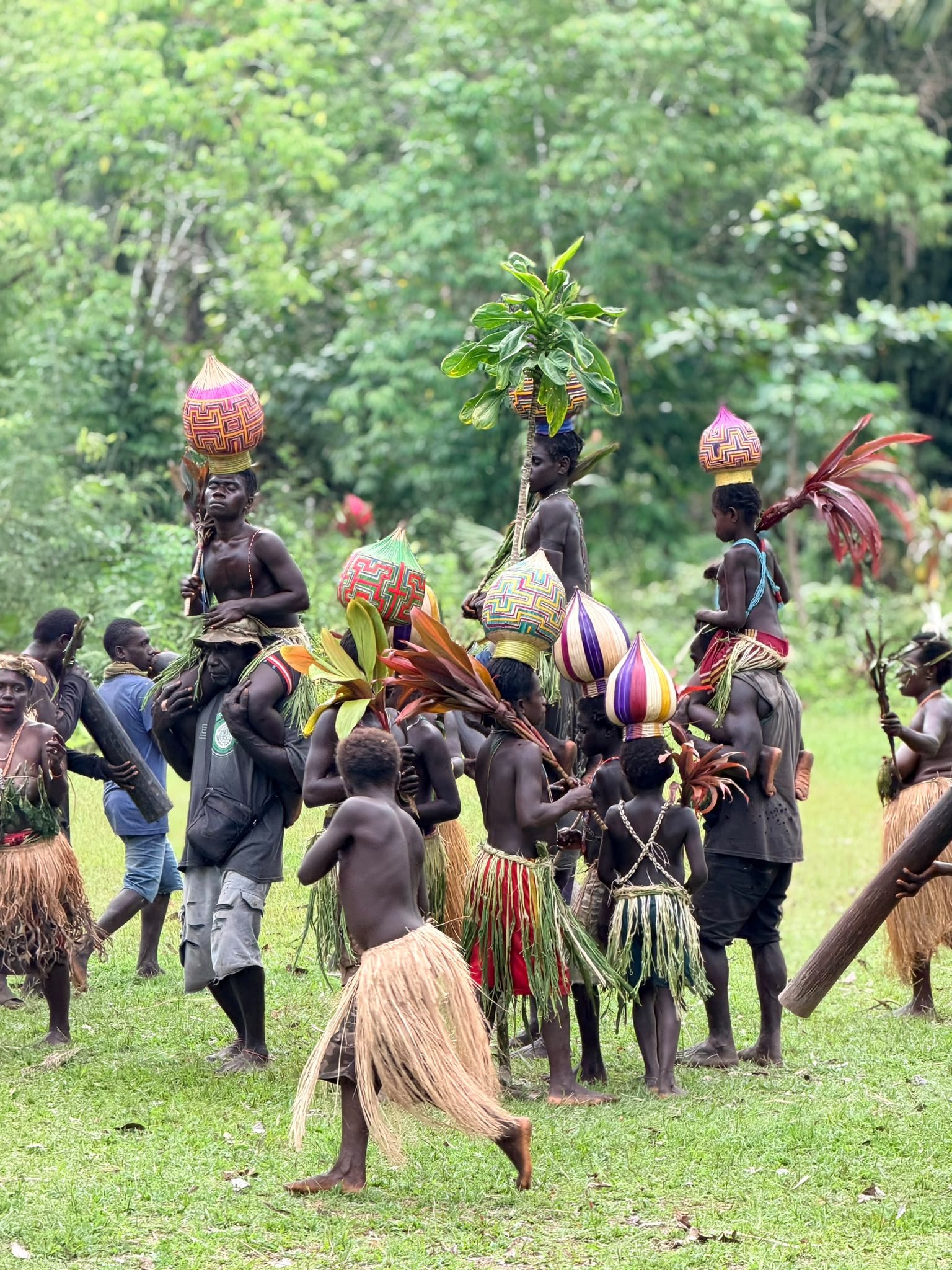
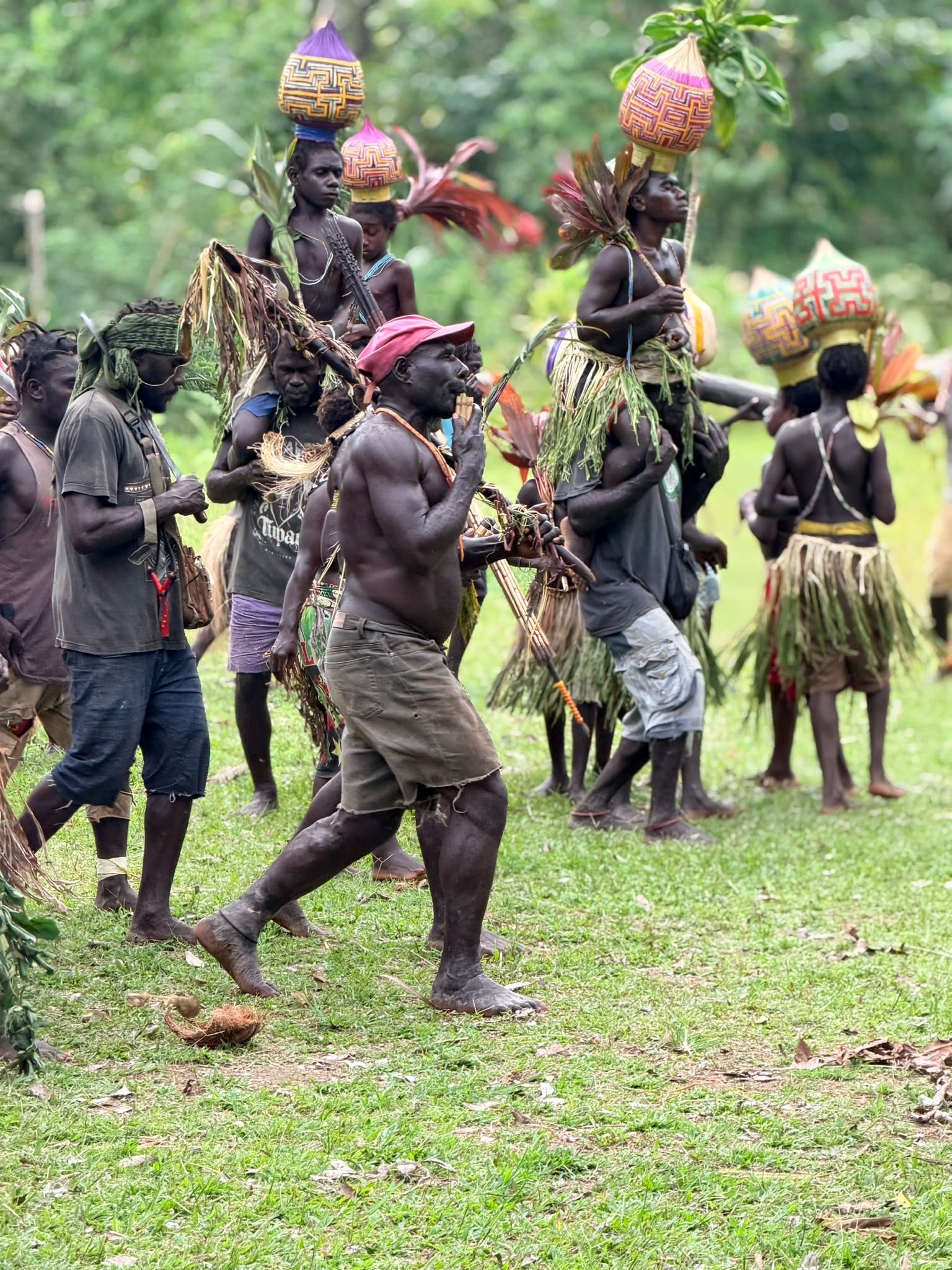
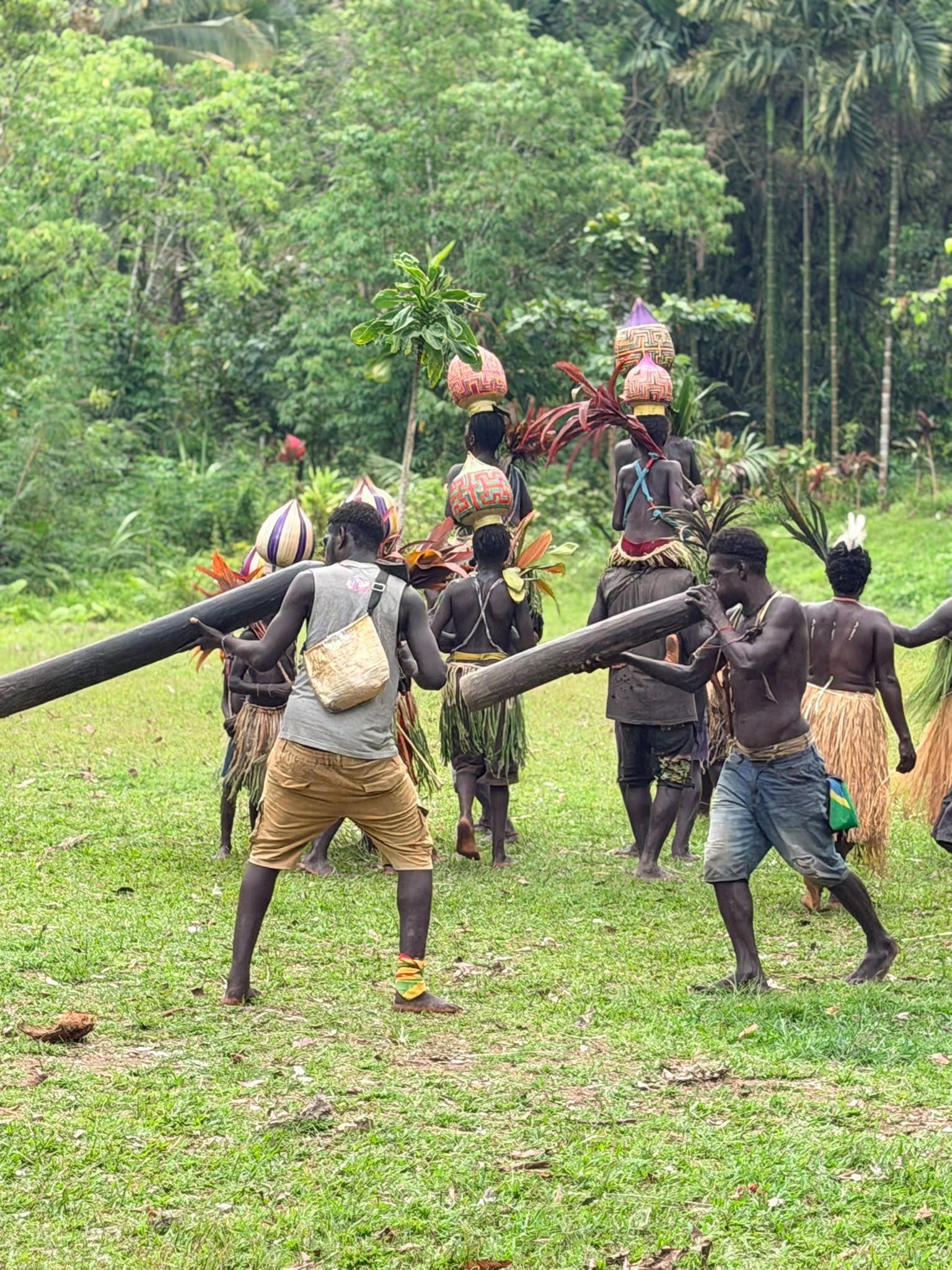
After snorkelling around a Second World War aircraft wreck off Buka, Arrow departed Bougainville and continued north-west to New Britain.
Arriving in Kokopo, south of Rabaul, for reprovisioning, the cultural experiences continued. Guests ventured ashore to witness the Baining Fire Dance, a sacred night-time ritual performed by the indigenous Baining people of East New Britain.
Wearing elaborate bark-cloth masks, dancers leapt barefoot through blazing fires. Even getting there proved memorable, with the convoy having to travel under police escort.
From Kokopo, Arrow cruised to the idyllic Talele Islands, a protected cluster of 19 uninhabited islands. Lolobau Island followed the day after.
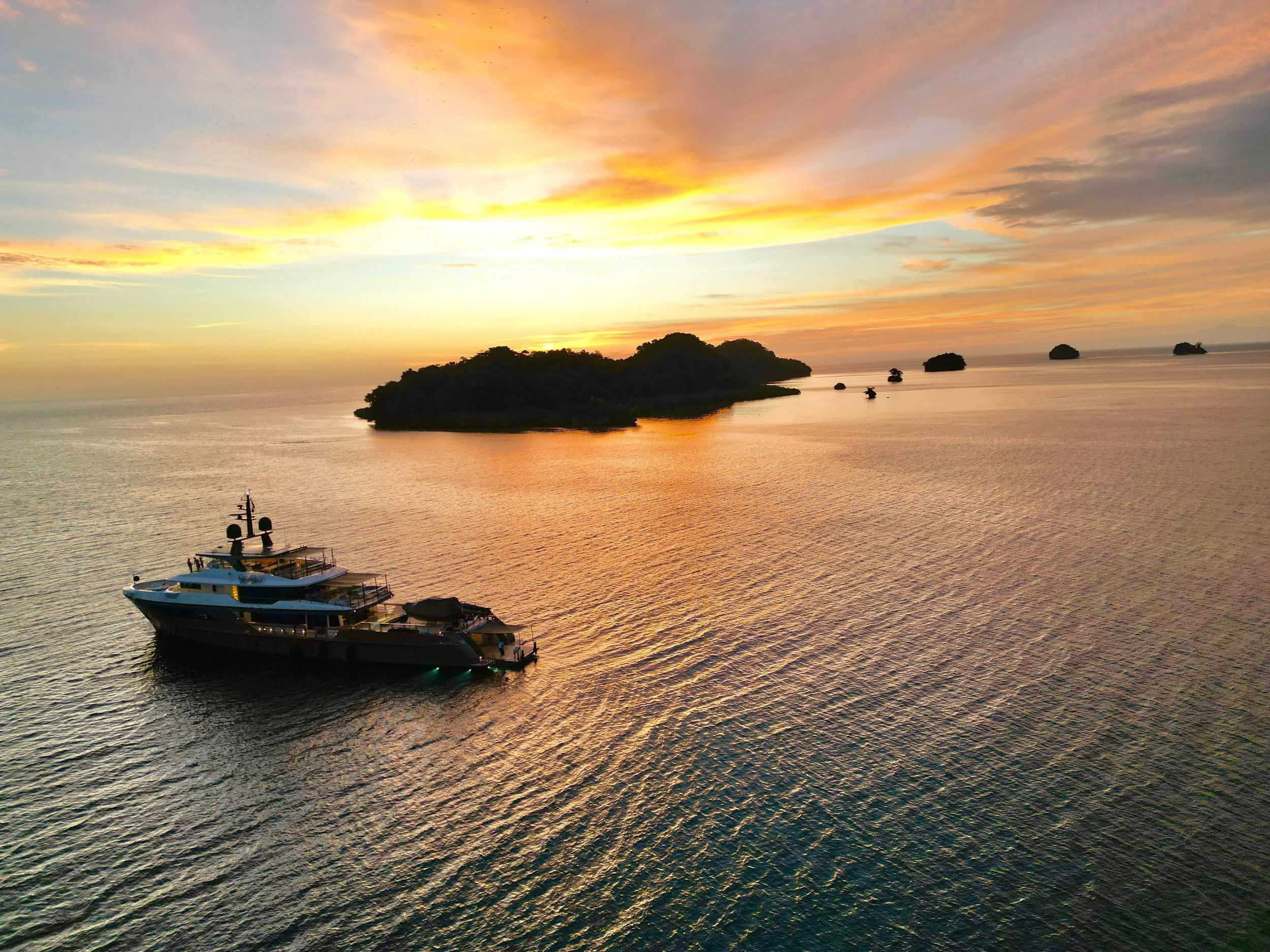
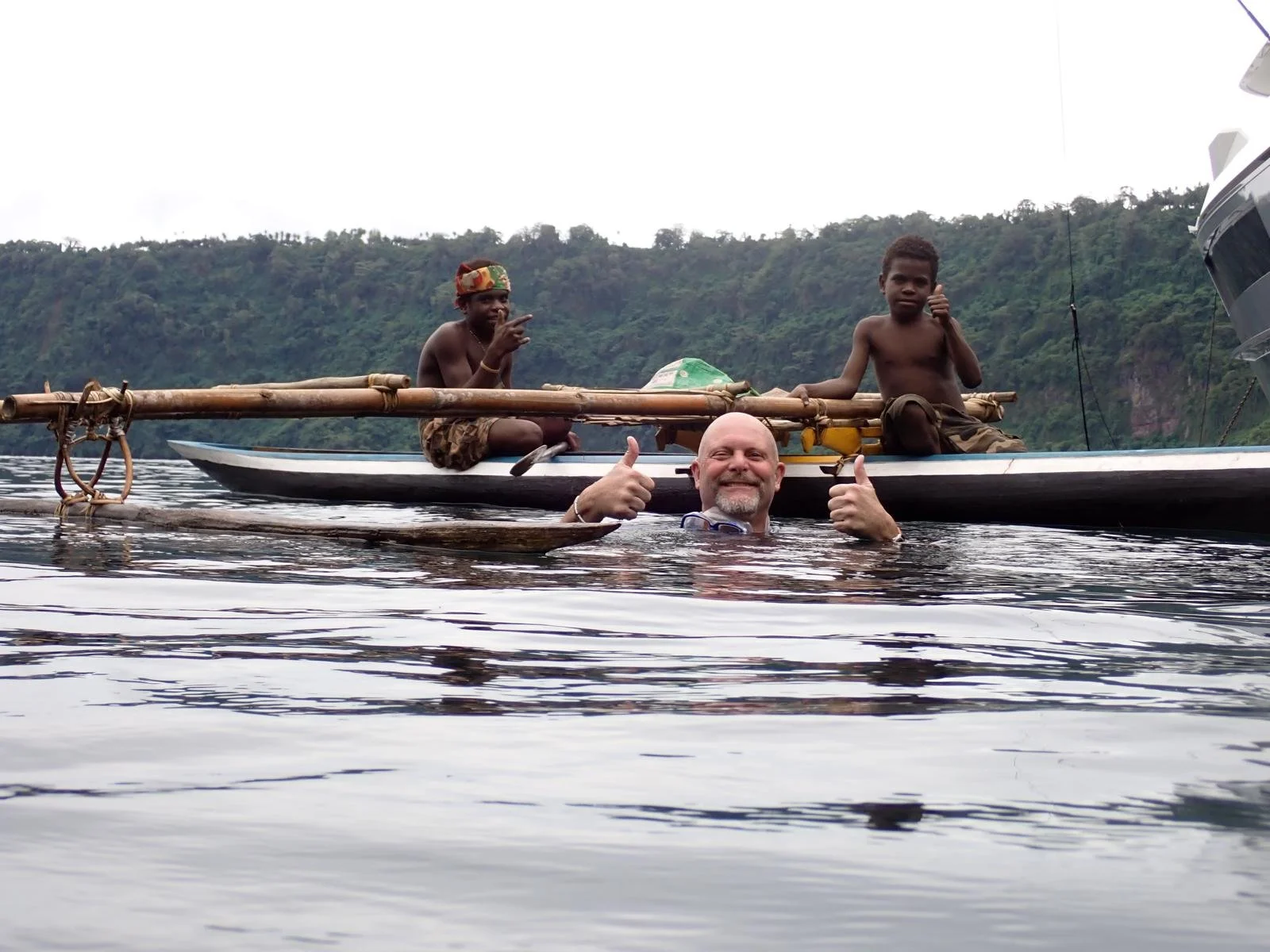
Despite the additional security precautions required throughout parts of Papua New Guinea, the welcome from local communities everywhere remained friendly and warm. Almost every time Arrow anchored up, curious children paddled out in tiny dugout canoes to marvel at the yacht and its occupants.
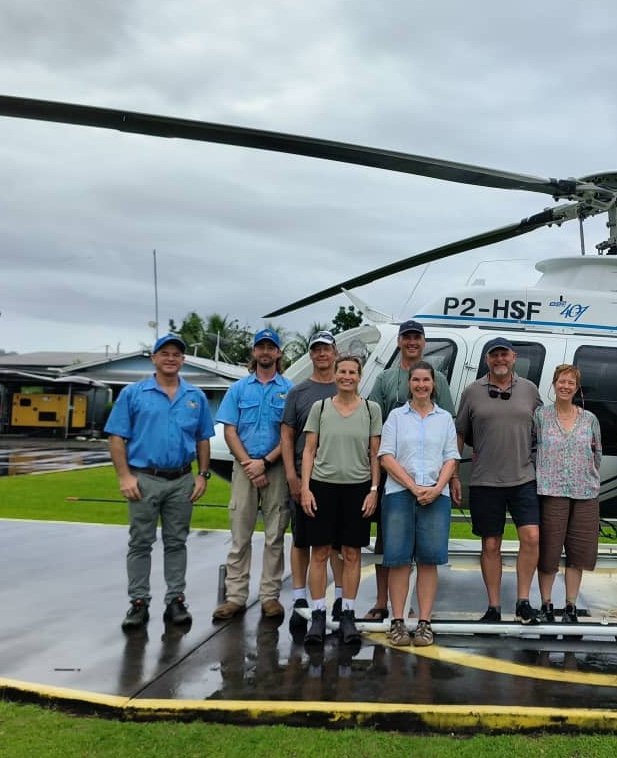
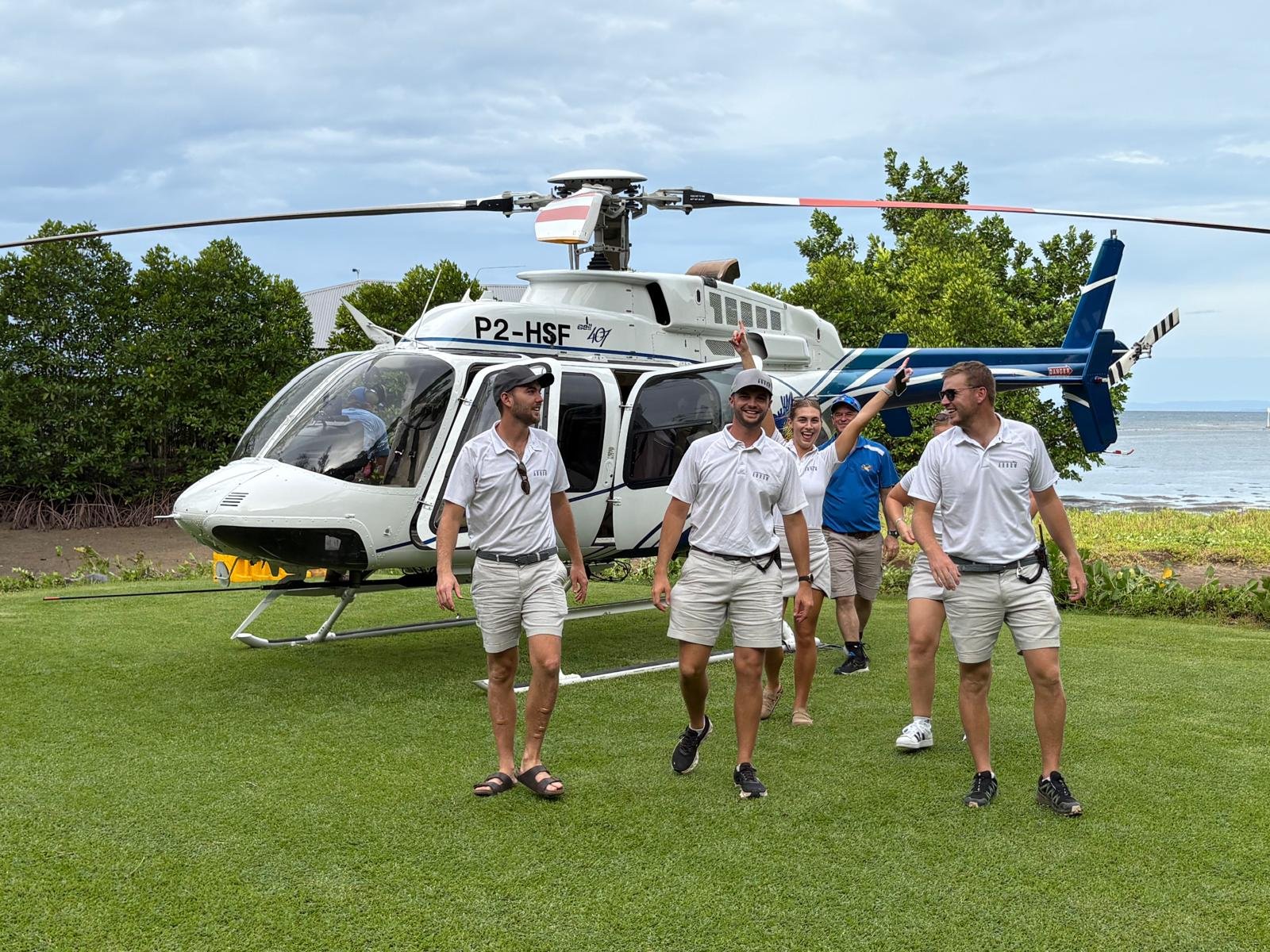
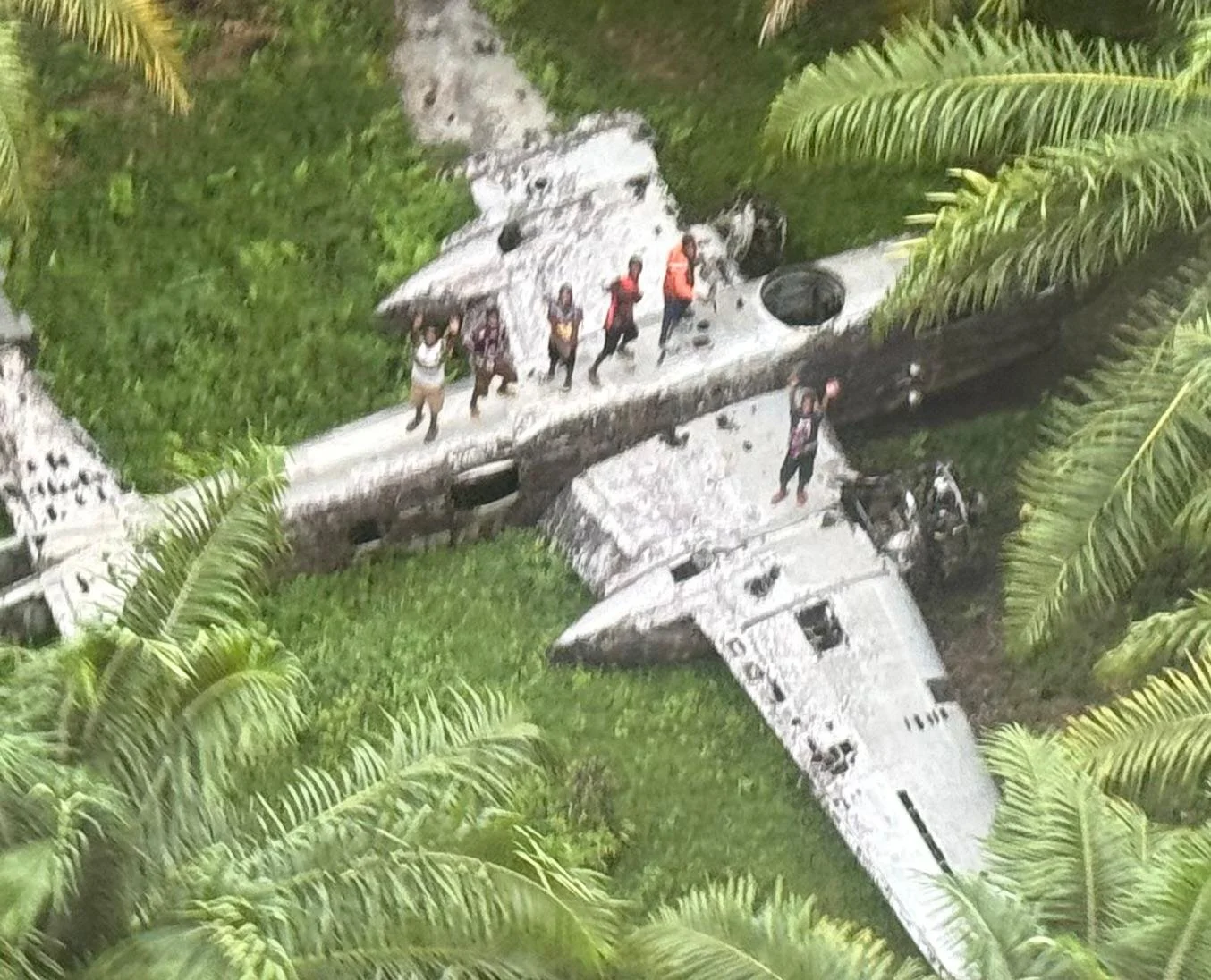
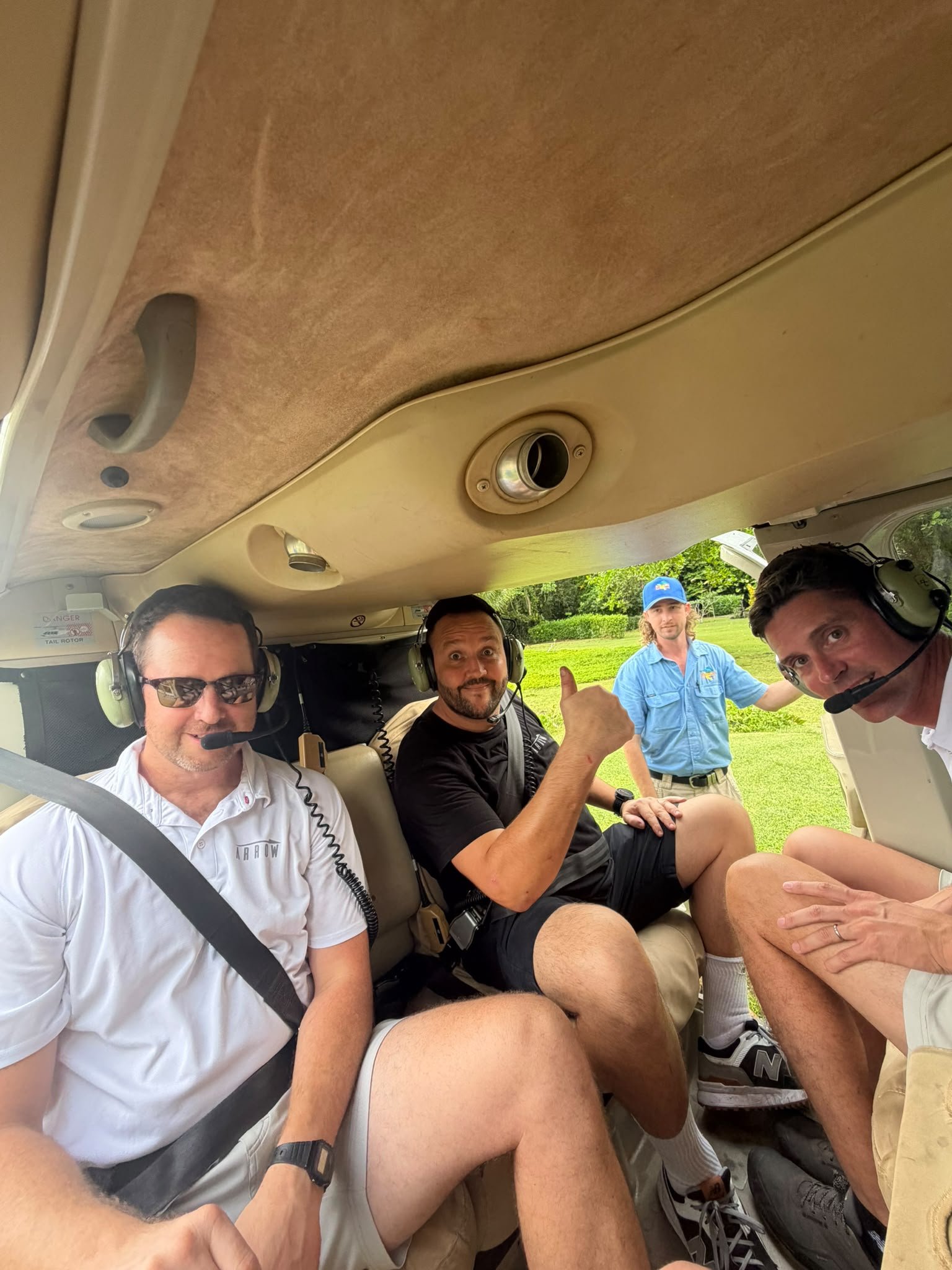
By now, Arrow had rounded the northern coast of New Britain and arrived at Walindi Plantation Resort, where a helicopter had been arranged for aerial sightseeing excursions. The flights revealed the immense scale of New Britain's volcanic landscape, while also providing a bird's-eye view of more wartime relics hidden within the rainforest.
The following day, dive boats took everyone to the reefs surrounding Restorff Island for diving and snorkelling before the group returned to Walindi for a barbecue hosted by the resort.
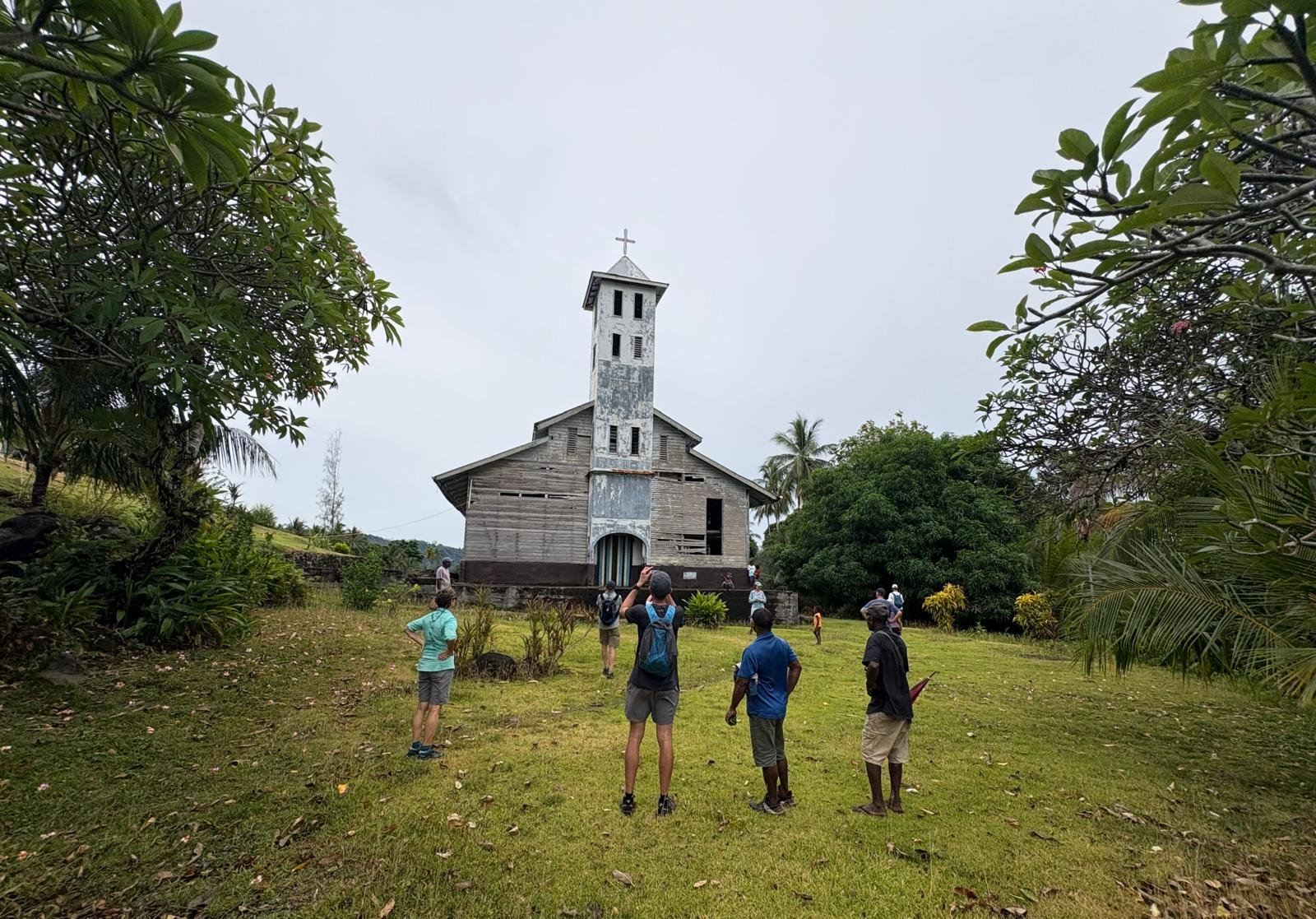
At Witu Island, Arrow found shelter inside the flooded crater of an ancient volcano. A walk from Witu Mission the following morning was followed by watersports, a barbecue and an impromptu Greek-themed evening onboard, featuring homemade togas.
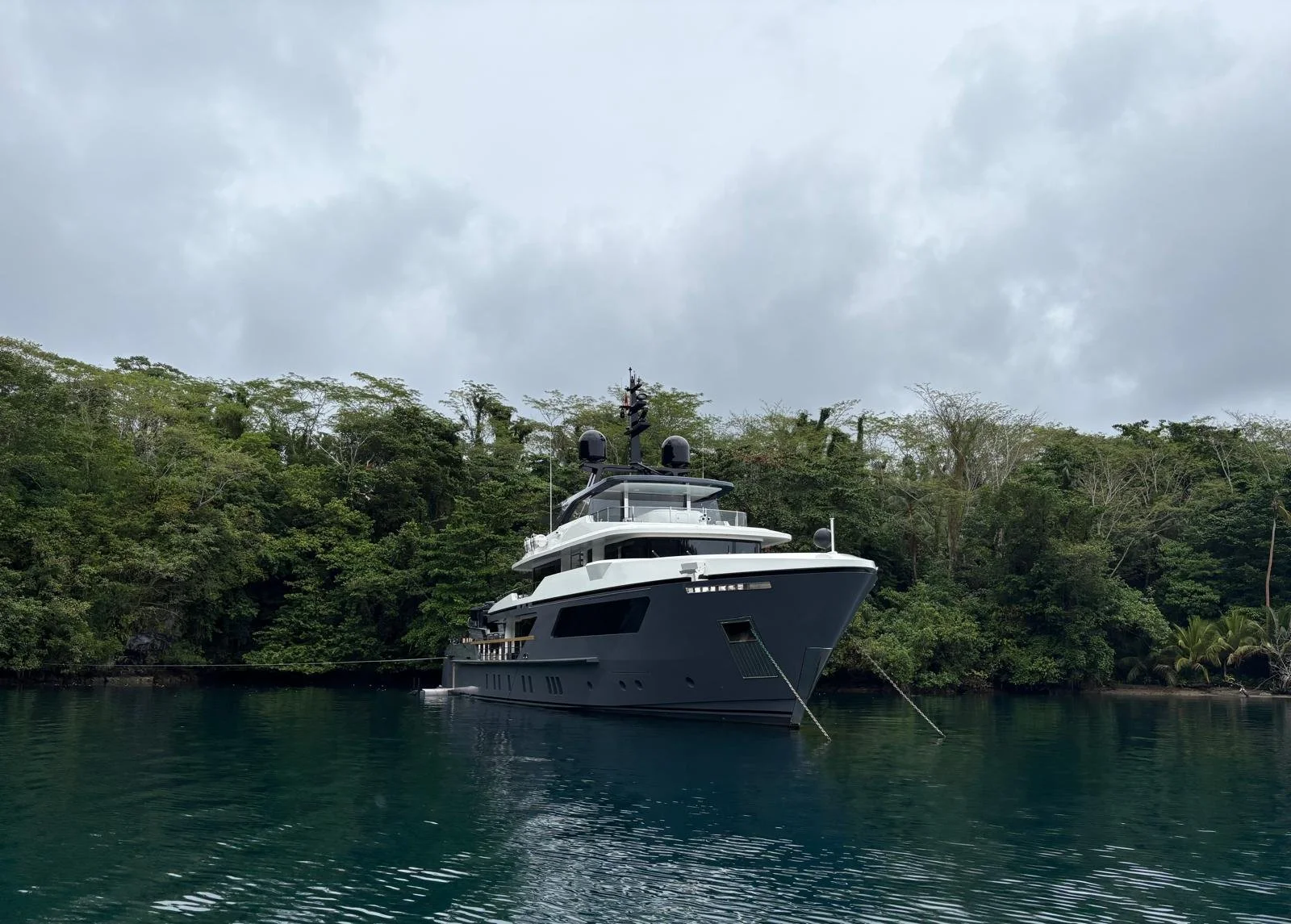
After careful weather planning, Arrow crossed the Bismarck Sea and transited the Dampier Strait, a challenging stretch of water where wind and swell funnel between New Britain and the mainland.
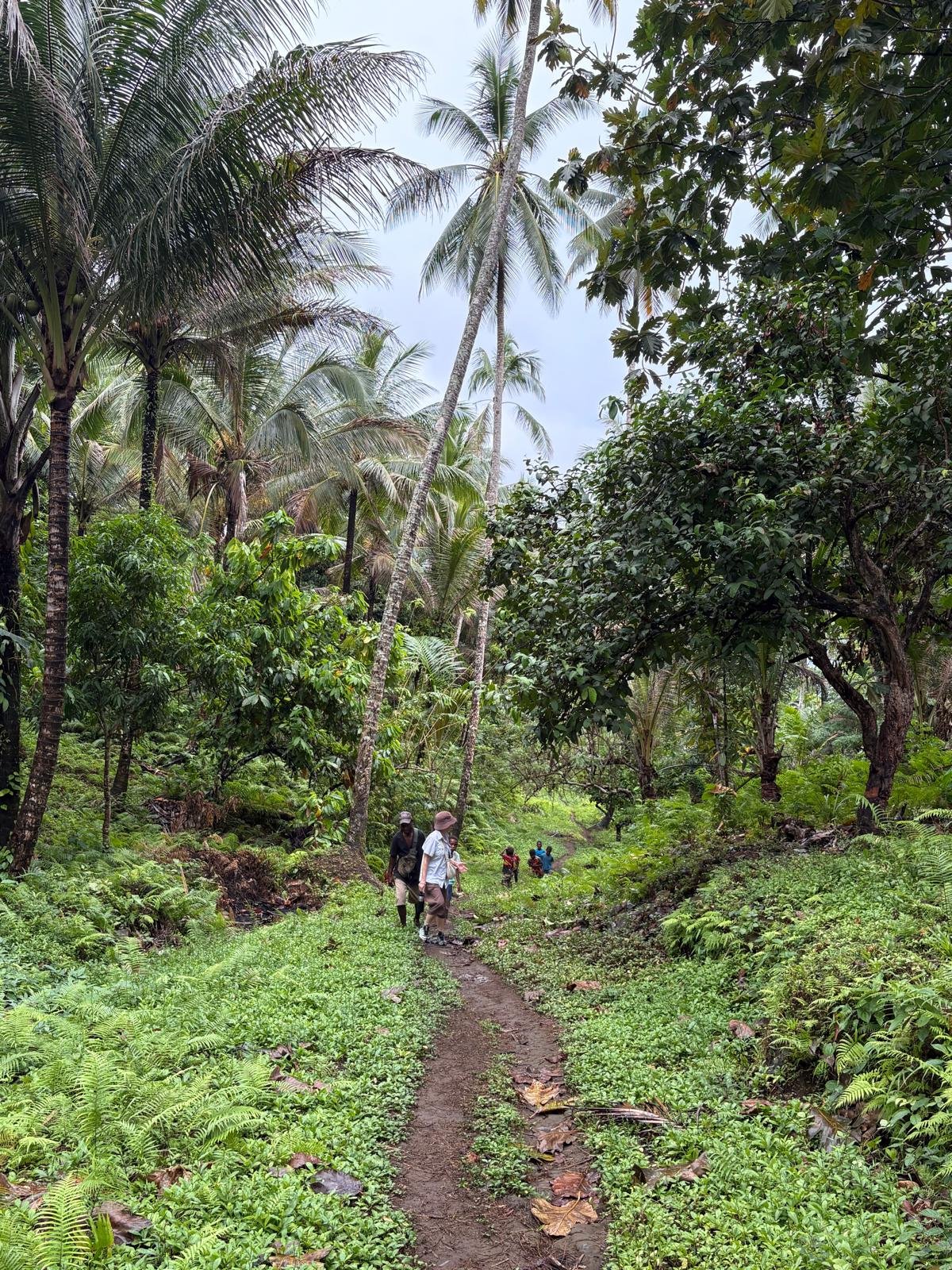
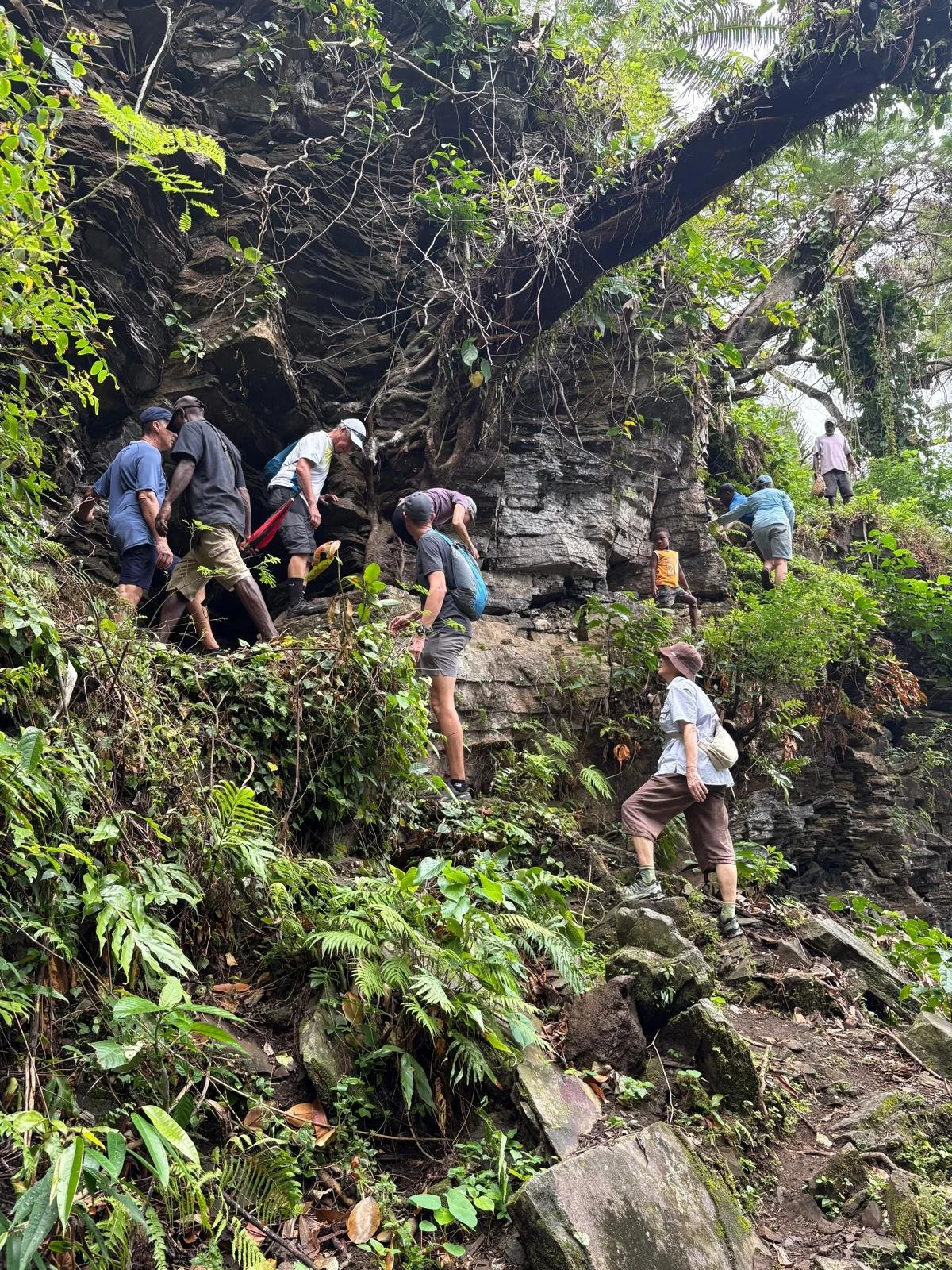
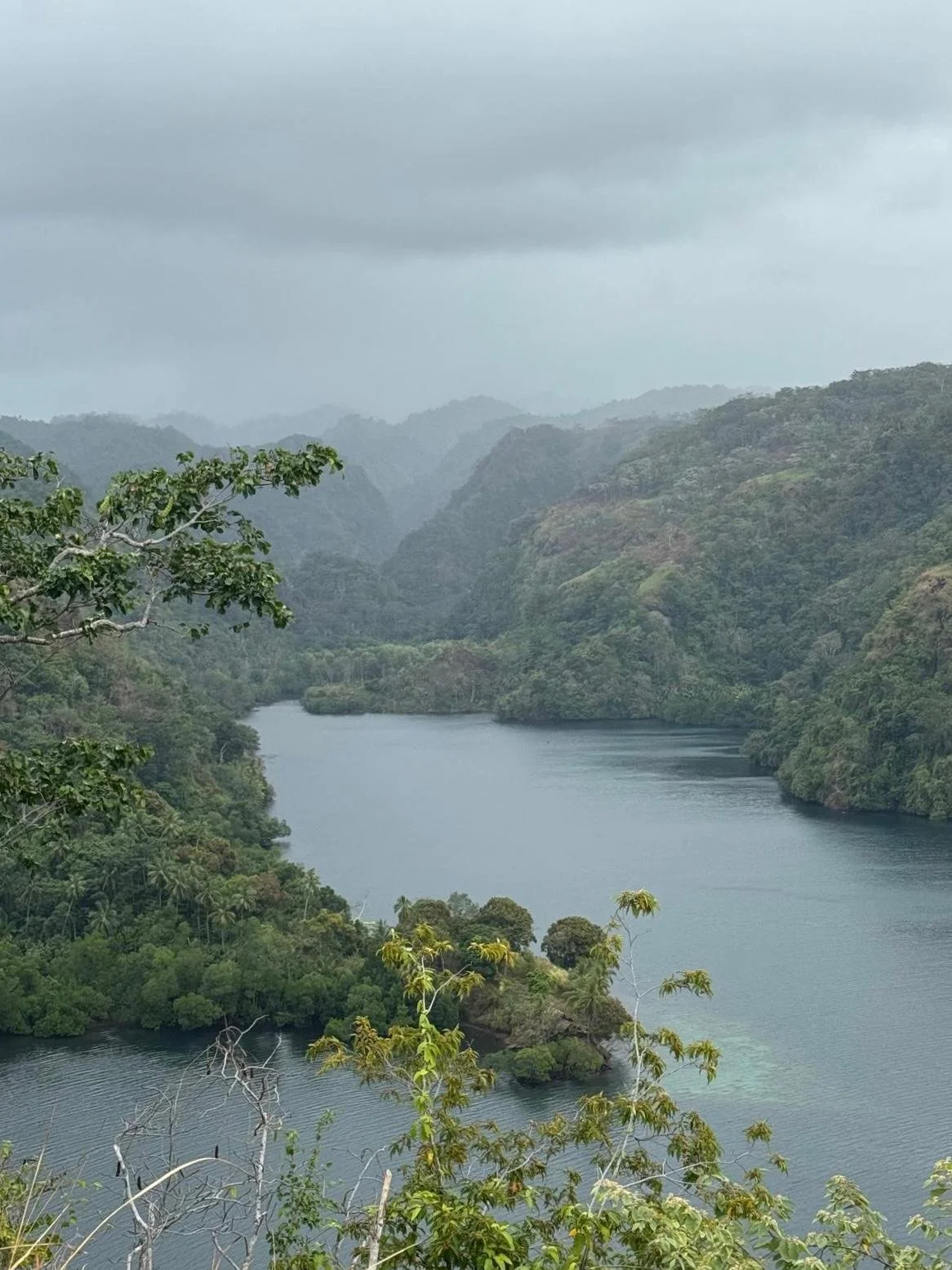
After a 32-hour passage south, Arrow arrived at one of the trip’s most spectacular destinations. Anchored deep within the fjords around Tufi, everyone enjoyed exploring the narrow inlets by kayak and hiking ashore.
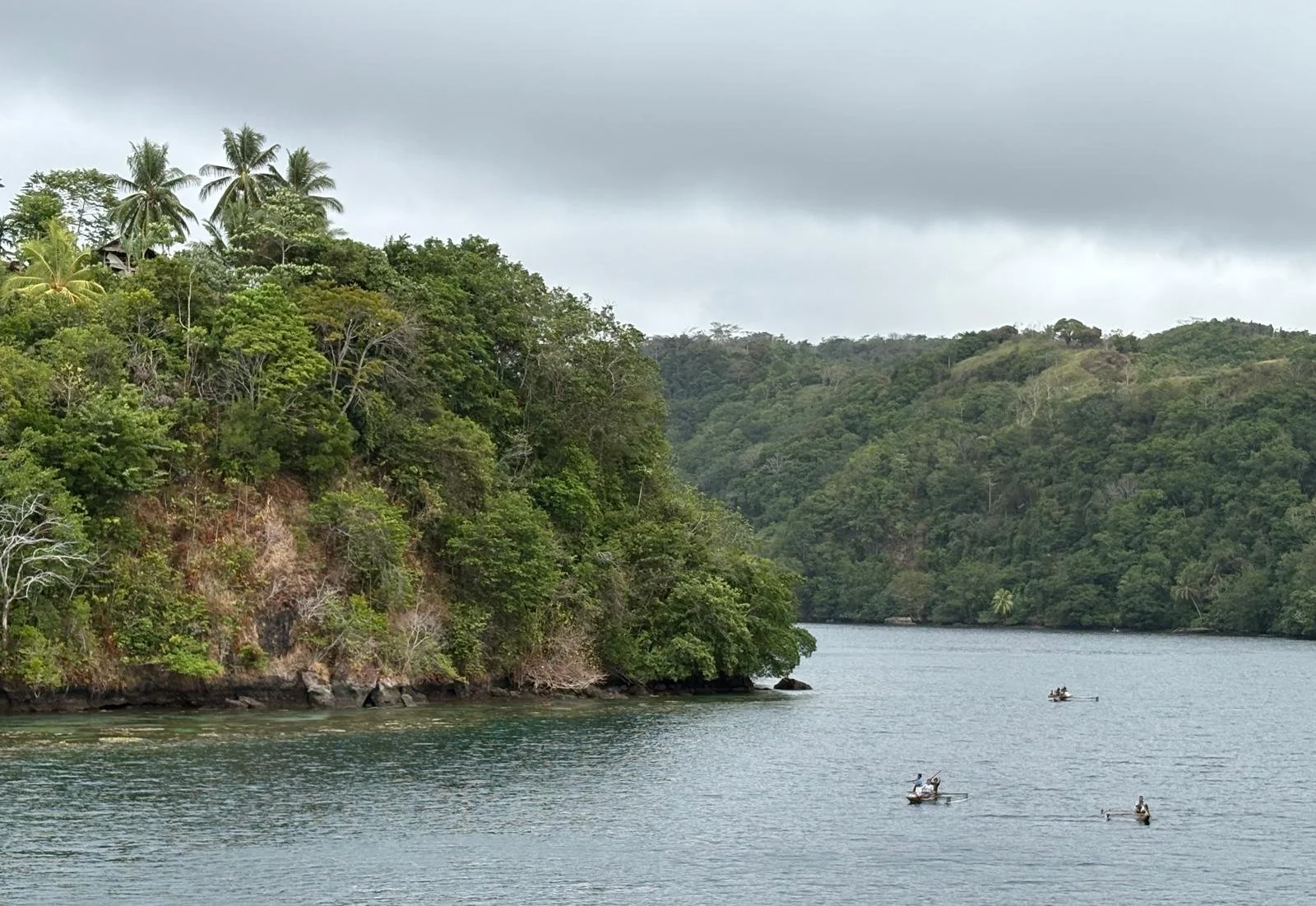
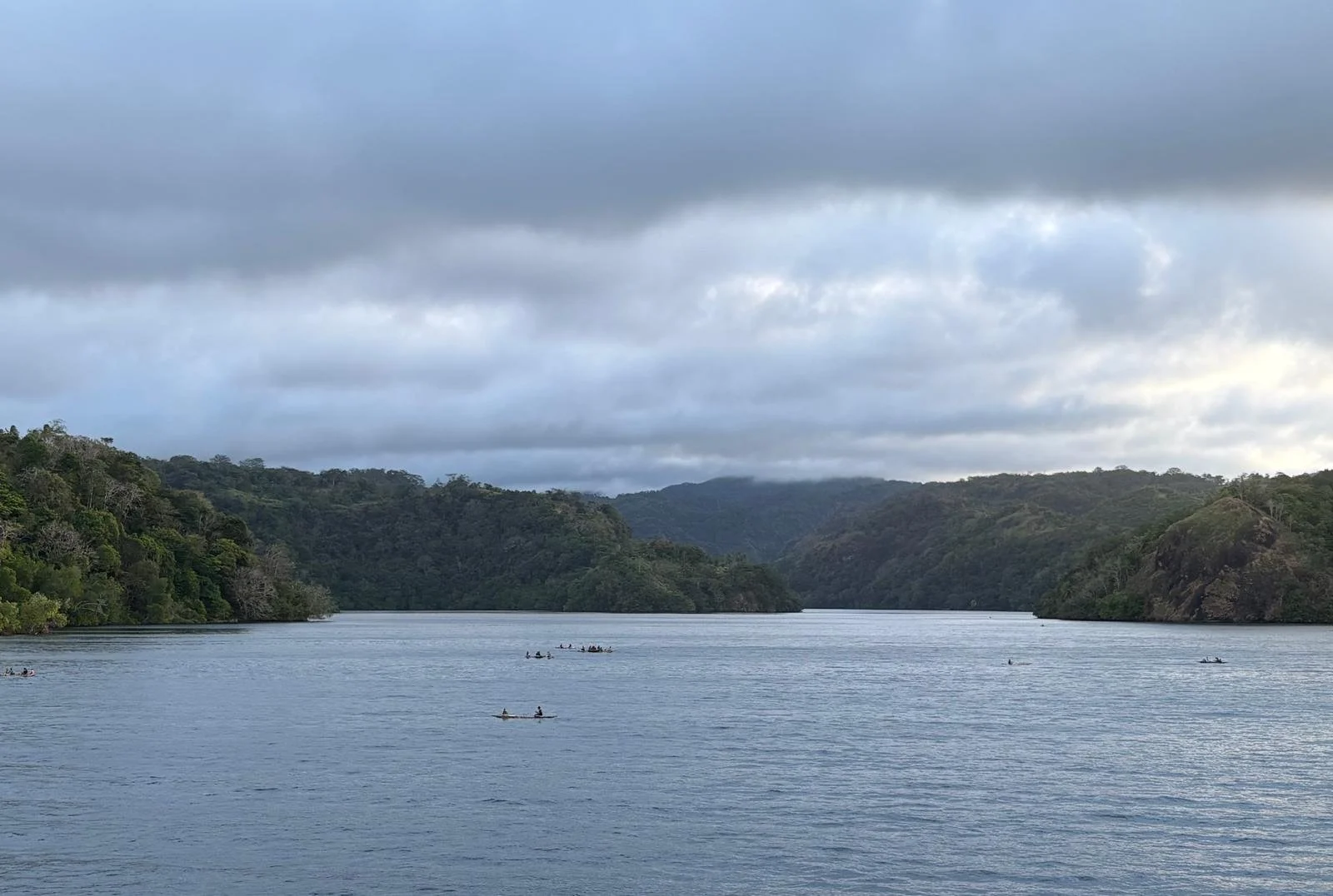
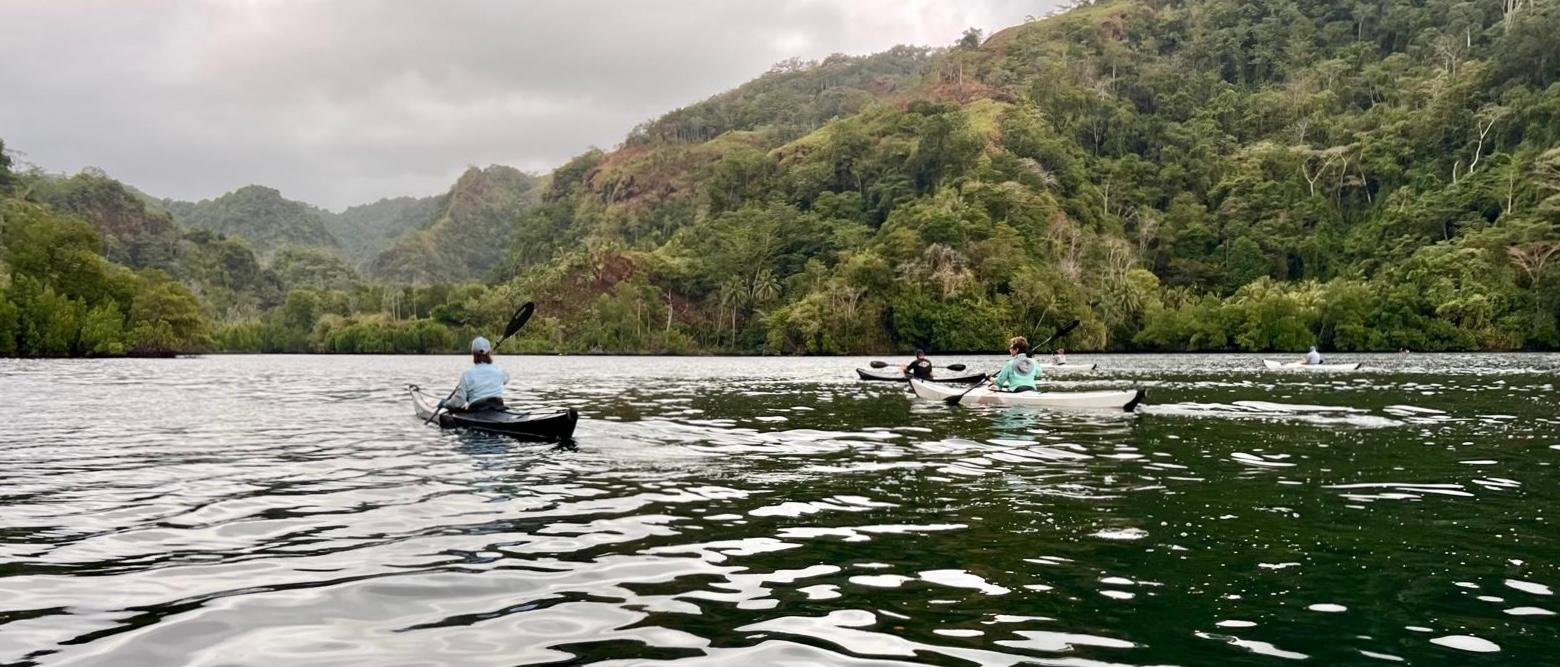
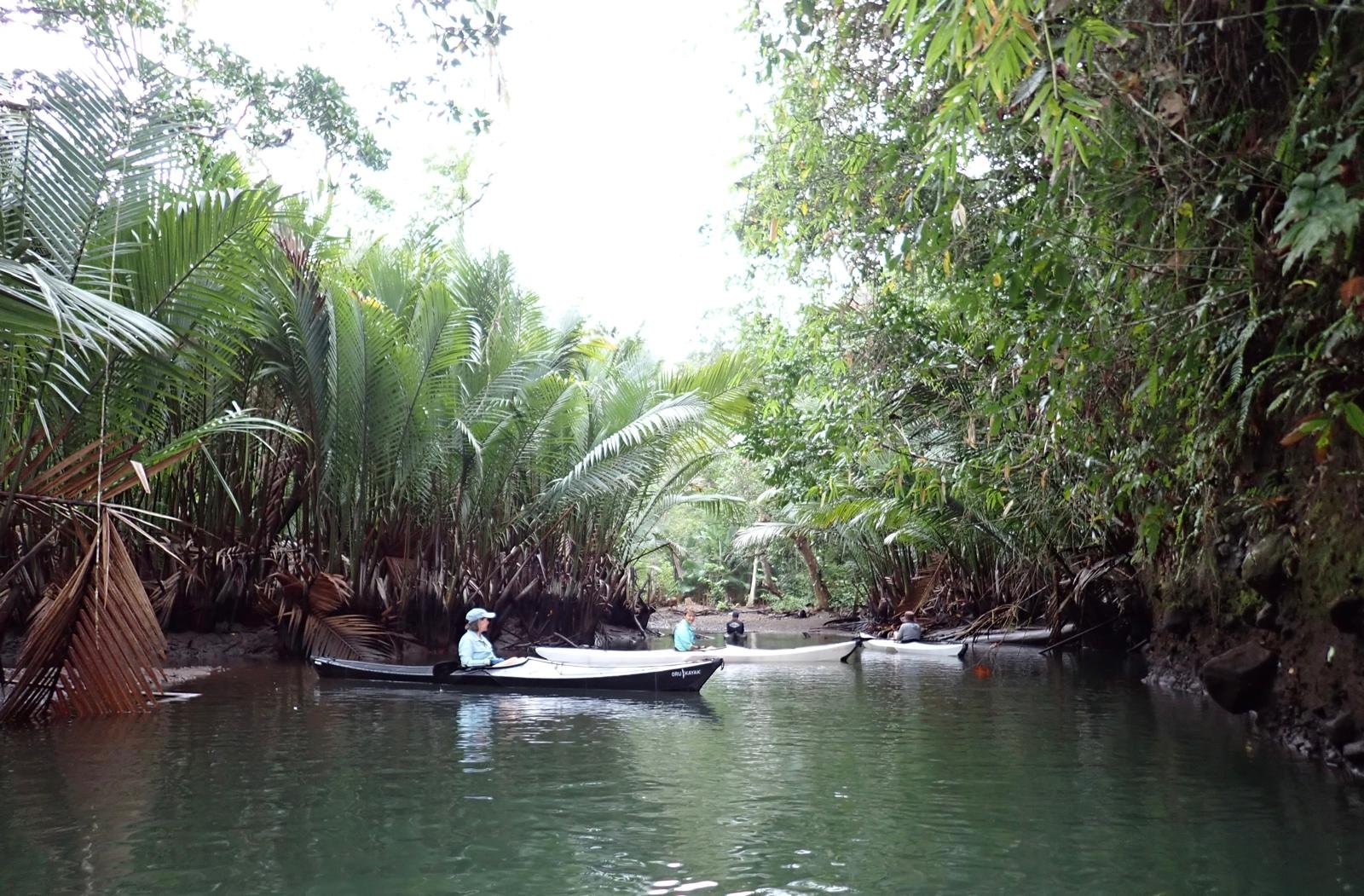
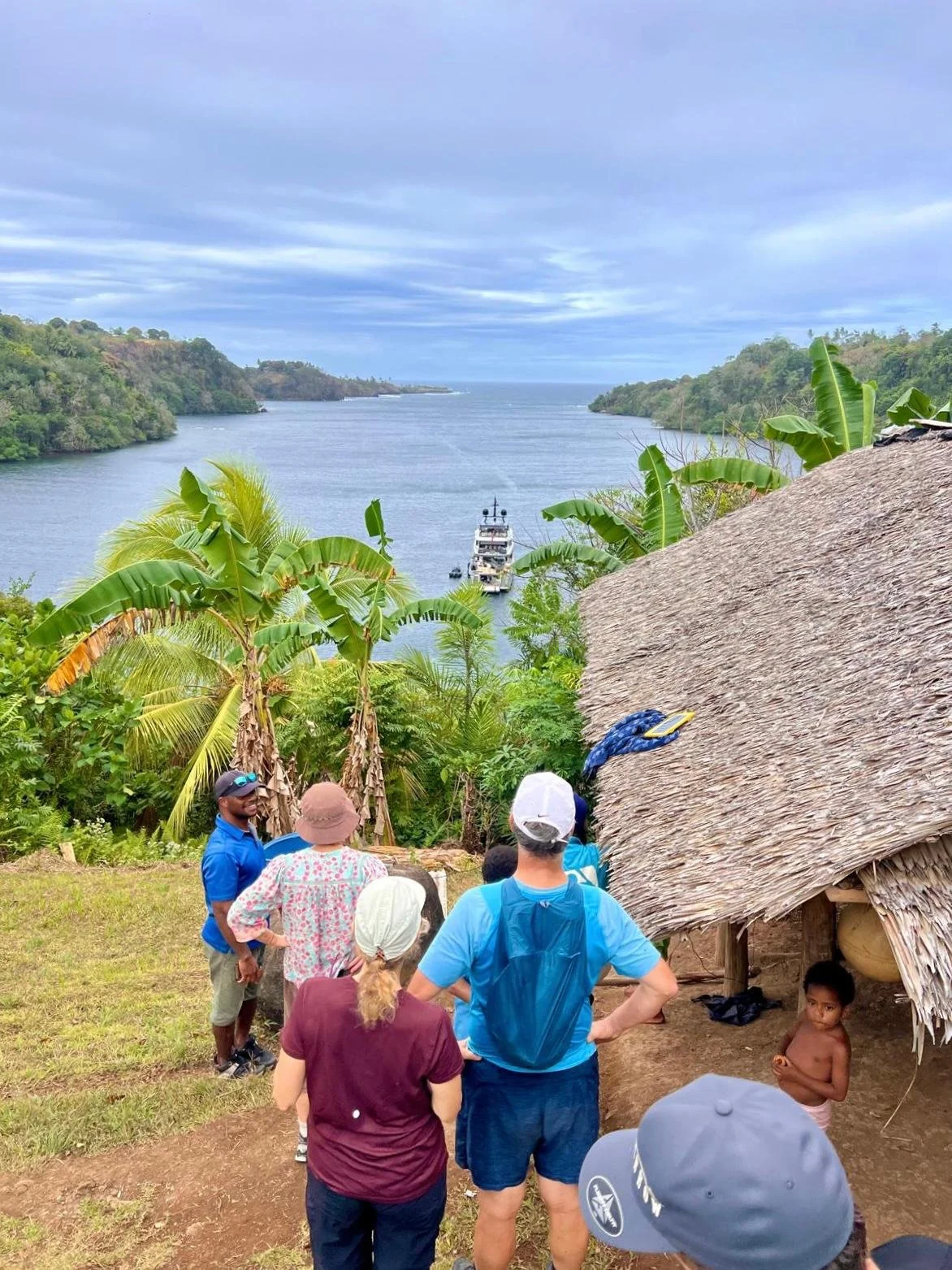
One final stop among the Killerton Islands in Milne Bay brought more snorkelling, fishing and kayaking before Arrow arrived in Alotau for the end of the trip.
Although the itinerary had covered an enormous distance, it felt as if it had barely scratched the surface of the region. With the overwhelming feeling that there was still so much more to see, the trip became something of a reconnaissance mission for future cruising in the area.
Arrow’s next stop is Cairns for some downtime before her next trip in Australia’s Northern Territory.
